Home / Disinfectant Testing / antibacterial / EN 13727
- Swiss testing laboratory
EN 13727 Bactericidal Testing for Medical Disinfectants

Hassle-free testing experience
Need to get a product tested? No worries! To and fro logistics are on us; we collect your products, test them and, deliver them back to you.
Summary
In Europe, EN 13727 is considered a critical test standard to support bactericidal efficacy claims and technical documentation for hygiene products. This test standard outlines the test procedure, mandatory bacterial strains, test conditions, contact times, acceptance criteria, and scope of products for testing.
Related tests for you
Determine Effectiveness of Handwash formulations
What is EN 13727
EN 13727 is a Phase 2, Step 1 quantitative suspension test used to determine the bactericidal activity of chemical disinfectants, antiseptics, and hand hygiene products intended for use in medical areas. The test involves challenging the product with specified bacterial strains and calculating the reduction in viable bacterial counts after incubation under defined laboratory conditions.
Quick understanding about test
BS EN 13727:2012+A2:2015 - Evaluation of bactericidal activity of chemical disinfectants used in the medical area (phase 2, step 1)
EN 13727 test is a (phase 2, step 1) suspension test used to evaluate the bactericidal activity of chemical disinfectants and antiseptics intended for use in medical areas.
Application
- Pseudomonas aeruginosa (ATCC 15442)
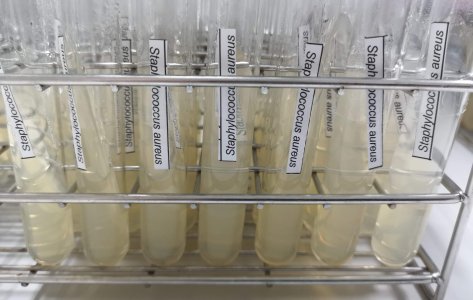
- Staphylococcus aureus (ATCC 6538P)
- Enterococcus hirae (ATCC 10541)
- Escherichia coli (K12)
- The test involves exposing the disinfectant sample to a bacterial suspension under specified conditions for a set contact time.
- After neutralization, the mixture is incubated, and viable colonies are counted to determine the product’s efficacy.
Benefits
- Validates the bactericidal claims under practical conditions.
- Ensures compliance with industry and regulatory standards.
Turnaround Time
The test typically takes 1–2 weeks to complete.
The bactericidal activity of the disinfectant products is determined by comparing the reduction in the viable colonies with the original culture size.
Passing criteria
- ≥5 log reduction for hand rubs, surgical hand rubs, and disinfectants.
- ≥3 log reduction for hygienic handwash.
Do you have a product that needs testing?
Scope and Applications of EN 13727 Standard
This test is applicable to a myriad of commercial products that are used in medical care facilities for disinfection:
- Hygienic handrub,
- hygienic handwash,
- surgical handrub,
- surgical handwash,
- instrument disinfectants
- and surface disinfectants.
EN 13727 Test Conditions & Requirements

EN 13727 Test Method

- Test sample is exposed to bacterial suspension in the presence of an interfering substance.
- Mixture is maintained at specific contact period time and under other mandatory conditions
- After the end of contact period, 1 ml of mixture is neutralized.
- Neutralizing extract is incubated for 2 days and viable colonies are enumerated.
- Reduction in viable colonies is compared with original culture size.
Importance of EN 13727 Test Method
In healthcare and medical environments, disinfectants and antiseptics must effectively eliminate harmful bacteria to prevent infections and cross-contamination.Variations in testing procedures, microorganisms used, or environmental factors can lead to inconsistent and unreliable results, making product comparisons and regulatory validation challenging.
EN 13727 provides a standardized quantitative suspension test that evaluates the bactericidal efficacy of disinfectants and antiseptics intended for medical use. The standard allows manufacturers/innovators, and regulators to assess disinfectant performance consistently, ensuring that only products proven effective under realistic medical conditions are approved for use. This harmonized approach enhances infection prevention, patient safety, and regulatory compliance across the healthcare sector.
Conclusion
MIS has introduced a comprehensive range of microbiology efficacy testing for chemical disinfectants and antiseptics claiming bactericidal properties. In addition to EN 13727, we are also capable of doing disinfectant efficacy testing using EN 13697.
In antiviral efficacy testing of chemical disinfectants and antiseptics, EN 14476 is a very frequently performed test method in our laboratory.
Looking for microbiology testing services, contact us here and get an expert consultation.
Frequently Asked Questions on EN 13727 Bactericidal Testing for Medical Disinfectants

DR. Martinoz Scholtz
1. What is EN 13727 test?
EN 13727 standard evaluates bactericidal activity of chemical disinfectant and antiseptic products used in medical area.
2. What are the Products that can be tested with EN 13727 test?
Products that can be tested with EN 13727 test include hygienic handrub, hygienic handwash, surgical handrub, surgical handwash, instrument, and surface disinfectant formulations.
3. What is the Turnaround Time for EN 13727 test?
EN 13727 test takes 1-2 weeks to complete.
4. On how many microbial strains can your EN 13727 testing lab perform tests on?
At Microbe Investigations, we test for EN 13727 using the following bacterial and fungal strains: Pseudomonas aeruginosa (ATCC 15442), Escherichia coli (ATCC 8739), Staphylococcus aureus (ATCC 6538P), Enterococcus hirae (ATCC 10541), Klebsiella pneumoniae (ATCC 4352), MRSA (ATCC 33591), Salmonella enterica (ATCC 10708), Aspergillus niger (ATCC-16888), Candida albicans (MTCC 3017).
Meet the best of the blend of
R&D, Efficacy Testing,
Innovation and Passionate
Experts at MIS.





Explore More

Antimicrobial testing is important to
Antibacterial efficacy testing is an
Key Takeaways EN 13727 and
Key Takeaways EN 1040 is
The global threat from viral