Entomology Testing Lab
What is Entomology Testing Services?
Entomology testing services involve the scientific evaluation of products designed to control or repel insects. These services are essential for assessing the efficacy and safety of various biocidal products.
Pesticides and biocides are used to control insects, pests and harmful microorganisms in various sectors, such as healthcare, agriculture, food production and homes. However, the introduction of a new pesticide or biocide to the market requires adherence to strict regulations and procedures.
Regulatory agencies across the globe require efficacy testing data to register products that meet the required safety and performance standards. Entomology testing is, thus, important in ensuring compliance with regulations, verifying the product and evaluating their health and environmental risks on exposure.
At MIS, we offer an extensive range of testing services for the products targeted to control the pests, tailored to meet regulation requirements and ensure that the pesticidal products you have will be effective and safe.
Test methods for entomology
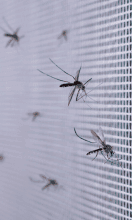
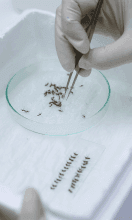
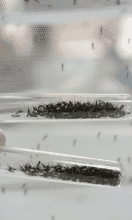
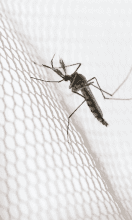
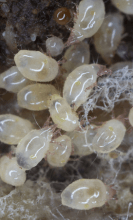
Semi-field trials are performed in controlled environments that stimulate real situations. Such controlled experiments help to bridge the gap between laboratory studies and full-scale field trials.
For more information, contact our experts here.
Field trials are conducted to ensure the efficacy of biocides in real-world scenarios.
For more information, contact our experts here.
Insects tested in our entomology testing laboratory
Insects
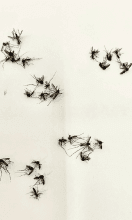
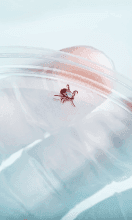
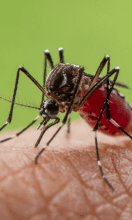
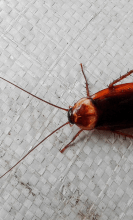
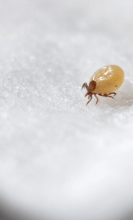
Mosquitoes, Bed bugs, Cockroaches, Ticks, Flies, House dust Mites, Fleas, Termites, Ants, and more
Scope of product tested at MIS
Why choose MIS Entomology testing services?
Importance of Entomology lab testing services
Entomology testing services enable the assessment of effectiveness of pesticides and biocides on insect populations. These testing services contribute to other industries such as agriculture, medical and pest control agencies by ensuring that the products that they rely on work as intended. By testing against various insects, these service providers help manufacturers obtain the required data to support efficacy and safety claims before they can be approved for marketing.
Other Industries




Frequently Asked Questions
Entomology is the branch of biology that involves the study of insects. This includes studying their behavior, development and interactions with humans and the environment. Entomological studies are essential for various fields such as agriculture, healthcare and ecology, as these studies help in understanding pest control, disease transmission and biodiversity.
An entomology lab is significant from a public health research point of view since these labs test the efficiency of insect pest control products in controlling and managing diseases-carrying insects, such as mosquitoes, ticks and flies, thus contributing to the prevention of the spread of vector-borne diseases like malaria, dengue and Zika.
Entomology laboratory testing services are often used by manufacturers and developers of pesticides, insecticides or biocides for use in various sectors such as agriculture, healthcare and pest control. These services test the effectiveness of these products.
Regulatory requirements for entomology testing services vary by region but generally include thorough efficacy testing, safety assessments and adherence to guidelines set by agencies like the EPA in the U.S. and ECHA in the EU.
Testing services in entomology mainly consist of the evaluation of pesticides and biocides against a range of species of insects. Such services are designed to help industries ensure that their product is safe, compliant with regulatory requirements and effective under realistic conditions.
Common insects available for testing in an entomology lab include mosquitoes, flies, cockroaches, termites, bed bugs, ticks and others. Depending on the needs of the industry and the product itself, the test organism can vary.
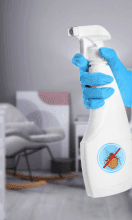
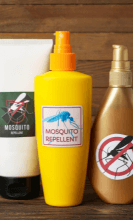
Products tested in entomology labs include insecticides, biocides, repellents and pest control devices. These may be in the form of creams, lotions, sprays, treated textiles, powders, liquids and more.
Efficacy testing is a critical prerequisite in proving that biocides and insecticides can adequately control or eradicate the target pests without harming humans, animals, or the environment. This ensures that the products comply with regulatory standards.
Ready to test your product?