
Key takeaways ISO 17299-3 is a recognized test to evaluate the deodorant performance of textile products using Gas chromatography (GC)...

How Can I Get Rid of Bed Bugs Without Expensive Chemicals?
Key insights Bed bug infestation can be controlled without using expensive chemical treatments if detected early. Consistent monitoring is important...

ISO 17299-3 Explained: Complete Guide to Textile Odor Testing for Manufacturers
Quick insights ISO 17299-3 is a recognized test to evaluate the deodorant performance of textile products using Gas chromatography (GC)...

Mold Resistance Testing for Sustainable Textiles
Quick insights Mold resistance testing for sustainable textile is done to ensure fabric durability and resistance to mold growth One...
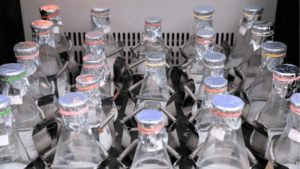
Understanding Log Reduction Results in ASTM E2149 Testing
Quick insights ASTM E2149 standard is used to measure the antimicrobial efficacy of immobilized antimicrobial agents under dynamic contact conditions ...

Understanding Bactericidal Claims Under EN 17422
Quick insights EN 17422 is a phase 2, step 2 quantitative surface test which is used to evaluate the bactericidal...

Knockdown vs Mortality in WHO Cone Testing: Understanding the Results
Quick insights The WHO cone test is used to assess the efficacy of insecticide-treated materials WHO cone test measures two...
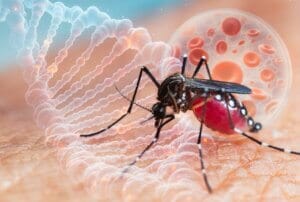
WHO Cone Test Applications in Vector Control
Quick insights The WHO Cone test is a standardized laboratory test developed to assess the efficacy of insecticide-treated materials It...

How are Antibacterial Gloves Tested?
Quick insights Antibacterial gloves are specialized gloves containing antimicrobial agents which kill or inhibit the growth of bacteria when they...

ASTM D7907 Antibacterial Glove Testing: Complete Guide
Key insights ASTM D7907 evaluates surface bactericidal performance of medical examination gloves The method measures bactericidal activity on both the...

What Does a Mold Growth Rating Mean in ASTM G21 Testing?
Key insights ASTM G21 is laboratory based test method that evaluates the resistance of synthetic polymer materials. In this test,...

How Mosquito Repellent Claims Are Verified
Quick Insights Mosquito repellent claims are statements made about a product’s functions to provide protection against mosquitos To verify the...
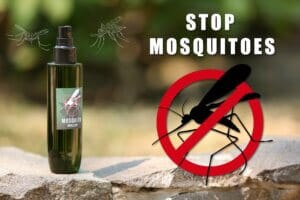
Laboratory vs Field Testing for Mosquito Control Products
Quick insights Mosquito control products are tested to support their performance claims required for marketing, regulatory submission, and consumer safety. ...

What Is OECD 301B? Ready Biodegradability Testing Explained
Key insights OECD 301B test assesses the ready biodegradability of organic chemicals in an aerobic aquatic environment. It is also...

How the Antiviral Efficacy of Textile Products Is Assessed ?
Quick Insights Antiviral efficacy testing determines how well a textile product treated with antiviral agents is able to reduce or...

EN 14563 vs EN 14348 : Understanding Mycobactericidal Efficacy Testing
Quick insights Both EN 14563 and EN 14348 evaluate mycobactericidal and tuberculocidal efficacy of chemical disinfectants EN 14348 is a...

AOAC 961.02 : A Complete Guide to Germicidal Spray Product Testing
Key insights The AOAC 961.02 test or Germicidal spray products test, assesses germicidal efficacy of spray disinfectants used on hard,...

What is EN 16777? European Standard for Virucidal Surface Disinfectants
Quick insights EN 16777 test method is a quantitative carrier test used to determine the virucidal efficacy of chemical disinfectants....

Room Test for Topical and Spatial Mosquito Repellents
Quick Insights Room test evaluates both mosquito repellent efficacy and knockdown/ mortality rates. For topical repellent, room test measures mosquito...

USP 71 Sterility Testing Explained: Methods, Requirements, and Regulatory Significance
Key insights USP <71> test method method is used to confirm the absence of any viable microorganisms in sterile products...