Home / Plastics / Fungicidal & Yeasticidal / ASTM D3273
- Swiss testing laboratory
ASTM D3273

Hassle-free testing experience
Need to get a product tested? No worries! To and fro logistics are on us; we collect your products, test them and, deliver them back to you.
Related tests for you
Test method for evaluating the resistance of paint films and related coatings to fungal defacement
Standard for determining the efficacy of adhesive films to support or resist the fungal growth
Test for determining the resistance of adhesive preparations in the container to attack by bacteria, yeast and fungi
Test method for the determination of mold growth on coated building products designed for interior applications
Quick understanding about test
ASTM D3273: 2021 – Standard Test Method for Resistance to Growth of Mold on the Surface of Interior Coatings in an Environmental Chamber
ASTM D3273 method is used for the accelerated evaluation of an interior coating’s ability to withstand fungal colonization and defacement.
Applicable to a wide range of products, including building materials (drywall, insulation), coatings (paints, finishes), adhesives, sealants, and more.
- Aspergillus niger (ATCC 6275)
- Penicillium species.
- Greenhouse soil is hydrated and equilibrated at ~32°C for 24 hours before fungal inoculation.
- Fungal suspensions of Aureobasidium pullulans, Aspergillus niger, and Penicillium are inoculated and sporulated in the soil for two weeks.
- Panels are exposed to the mold-rich chamber for 4 weeks and assessed weekly on a 0–10 mold growth scale.
- Minimizes mold-related health risks by validating material performance.
- Boosts consumer confidence and competitiveness by proving product reliability.
Results are evaluated using a 0–10 scale, assessing mold growth on panels weekly over 4 weeks.
Do you have a product that needs testing?
Abstract
The ASTM D3273 method is one of the key testing standards intended for the accelerated evaluation of an interior coating’s resistance to fungal defacement. It tests the performance of different types of interior coatings by subjecting them to controlled environmental conditions that favor the rapid growth of mold in close simulation of practical usage conditions over an accelerated period.
Interior coatings, including paints, are exposed to environments that encourage the development of mold where moisture content is usually high and ventilation is poor. ASTM D 3273 test method specifies the comparative resistance of coatings over a period of 4 weeks, employing specific temperatures and humidity that favor the growth of mold on test panels.
ASTM D3273 test conditions & requirements
- Relative humidity: A relative humidity of >93% shall be maintained in the chamber to promote mold growth.
- Temperature: The chamber temperature must be maintained at 32.5 ± 1°C (90 ± 2°F).
- Test panels: Test panels must be made up of the specified substrates such as softwood sapwood or gypsum board. Two coats of test product must be applied to the test panel. The panel is hung vertically with sufficient space in between for free airflow. The panels must not come in touch with each other or the chamber walls.
- Mandatory test strains: The mold cultures used for this test include Aureobasidium pullulans (ATCC 9348), Aspergillus niger (ATCC 6275), and Penicillium species.
- Incubation period: 4 weeks
ASTM D3273 test method
The test method uses an environmental chamber designed to maintain the high humidity and temperature required for mold growth. The primary steps involved in the test method are as follows:
- Preparation of the environmental chamber:
Greenhouse soil is placed in a tray within the chamber, and water is added to the tank to reach the required depth. The chamber is equilibrated, including the soil content and water content, for about 24 hours at approximately 32°C prior to inoculating the soil. - Inoculating the mold:
Fungal suspensions of Aureobasidium pullulans, Aspergillus niger, and Penicillium are prepared and evenly spread over the surface of the greenhouse soil. The fungi are allowed to sporulate for two weeks before testing. - Sample preparation and exposure:
Treated and untreated test panels are prepared with the required coating. The panels are then hung vertically in the chamber above the soil tray, with enough spacing for airflow. The test panels are left in the mold-rich environment for a continuous period of 4 weeks. - Monitoring and mold growth evaluation:
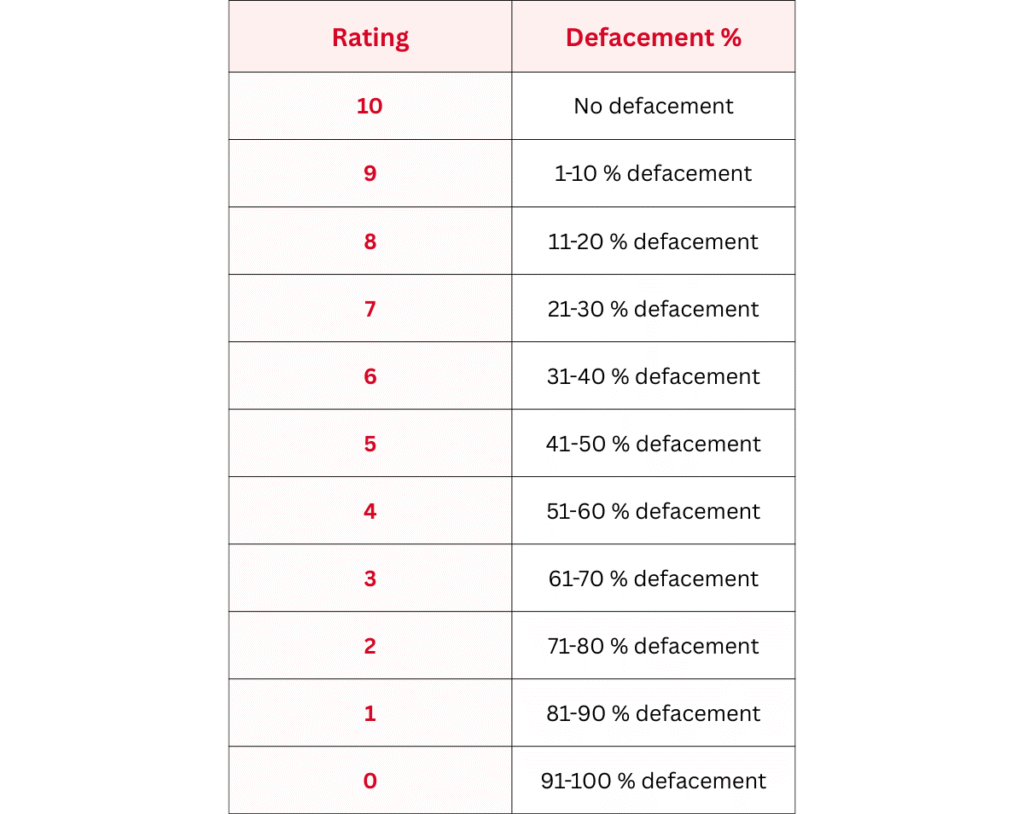
Panels are assessed for mold growth on a weekly basis for 4 weeks. A rating scale of 0 to 10 will be used to assess the degree of growth in both treated and untreated samples.
Result interpretation:
Importance of ASTM D3273 test
Mold and mildew growth can significantly impact indoor air quality, structural integrity, and occupant health. In humid or poorly ventilated environments, coatings that fail to resist fungal attack may discolor, degrade, and lose functionality.
ASTM D3273 plays a crucial role in helping manufacturers demonstrate the mold-resistant performance of their products by offering a standardized, reproducible, and accelerated laboratory approach. This allows companies to benchmark product formulations, support regulatory compliance, and strengthen performance-based claims in the market.
Strengths of ASTM D3273 Test
1.Highly controlled conditions:
2. Comprehensive fungal exposure
3. Reliable testing methodology
4. Practical application
Conclusion
At Microbe Investigations Switzerland (MIS), we focus on delivering customized and analytical solutions aimed at improving the quality of antifungal coating materials. Leveraging our vast experience in antifungal testing, our team performs ASTM D3273 testing with the highest level of accuracy. We also offer ASTM G21 testing for polymeric materials.
Need a quote for ASTM D3273 or have specific questions? Contact our experts today to discuss your requirements.
Frequently Asked Questions

DR. Martinoz Scholtz
The fungal strains used are Aureobasidium pullulans, Aspergillus niger and Penicillium species.
Yes, this standard is specifically designed to assess the resistance of interior coatings to mold growth.
The test requires a temperature of 32.5°C and a relative humidity of >93%.
The test method does not apply to exterior coatings and results may not reflect long-term performance in all real-world conditions.
Mold growth is visually assessed and rated on a scale from 0 to 10, with 0 indicating complete defacement and 10 indicating no growth.
ASTM D3273 evaluates th resistance of interior paints to mold growth under high humidity conditions. ASTM D3274 assesses the degree of surface defacement by fungal, or algal growth on painted surfaces.
ASTM D3273 is the standard method for interior coatings to check their resistance against mold.
Meet the best of the blend of
R&D, Efficacy Testing,
Innovation and Passionate
Experts at MIS.





Explore More
Microscopic spores of fungi and
Key Takeaways ISO 18184 evaluates

Key takeaways ISO 20743 and


Introduction The Japanese Industrial Standards