Quick insights
- Rising temperatures are leading to mosquitoes expanding their habitats into regions that were always too cold to support their survival
- Warmer climates encourage mosquito breeding, shorten development cycles, and increase diseases transmission risks
- Bed bugs are less directly affected by outdoor climate but benefit indirectly from warmer indoor environments, urbanisation and increased international level
- Climate change is making pest surveillance and resistance monitoring increasingly important for public health authorities and manufacturers
- Standardized laboratory and field testing helps validate mosquito and bed bug control products under realistic environmental conditions
Why climate change changes pest ecology
Climate change is redefining pest ecology by altering the environmental conditions that insects depend on for survival and reproduction. Factors such as rising temperatures, changing rainfall patterns, higher humidity and more frequent extreme weather events influence the lifecycle of pests. The impact is especially significant for mosquitoes as their entire life cycle depends on climate. Although bed bugs are less directly impacted by outdoor weather because they live indoors, climate-related changes in human behaviour and urban environments can still contribute to their spread.
Climate change leads to:
- Increased temperatures that accelerate insect metabolism, growth and reproduction
- Changing rainfall patterns that create or eliminate breeding habitats
- Extended warm seasons, allowing pests to remain active for longer periods
- Altering interactions with humans and wildlife, increasing opportunities for pest-human contact
- Working alongside urbanisation and global travel that further accelerate pest movement and establishment
Climate change and mosquito problems
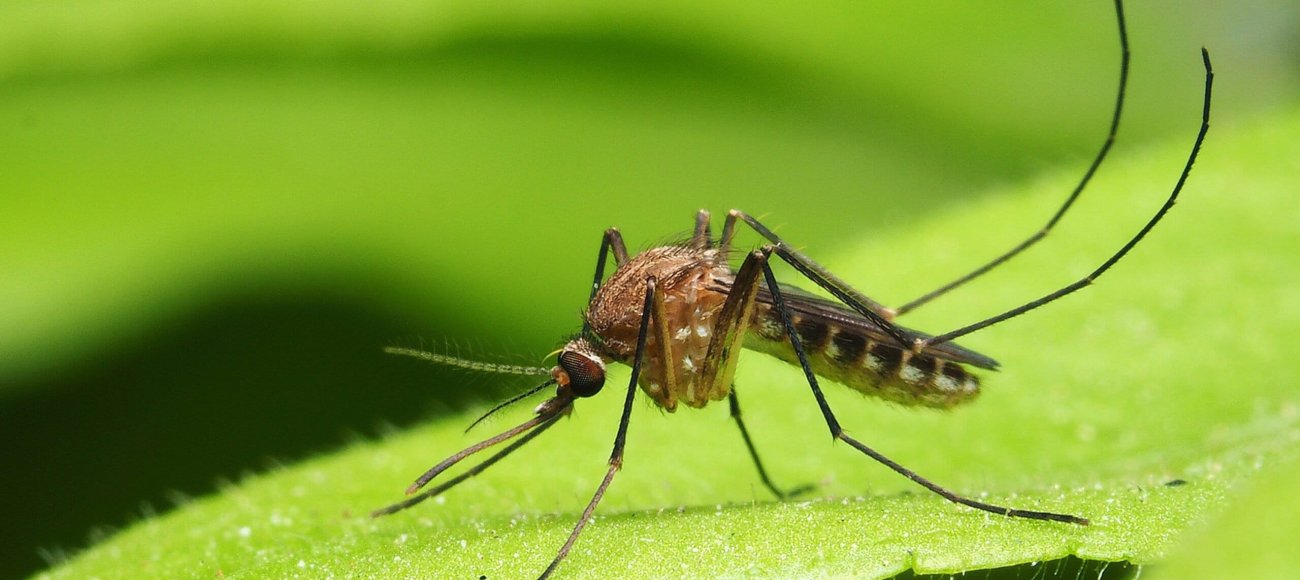
Mosquitoes are among the most climate-sensitive insects as temperature, rainfall and humidity directly impact every stage of their development. As global temperatures rise, mosquito populations are able to survive in new regions, breeding for longer periods, and increasing the risk of mosquito-borne diseases.
Expansion into new geographic regions
Rising temperatures are allowing mosquitoes to survive in regions that were previously too cold, increasing the risk of mosquito-borne diseases in new areas.
- Aedes aegypti and Aedes albopictus are expanding across Europe and North America
- Mosquitoes are establishing populations at higher altitudes
- Invasive species are becoming more common in temperate climates
Longer breeding seasons
Mosquitoes are ectothermic (cold blooded insects) meaning their activity and metabolism depends upon the temperature of their surroundings. Rising global temperatures are favoring mosquito breeding seasons allowing populations to reproduce for longer each year.
Faster life cycle and population growth
Higher temperatures accelerate completion of mosquito growth cycles, resulting into more mosquito populations
- Eggs hatch more quickly
- Larvae develop faster
- Females feed more frequently
- More mosquitoes are produced each season
Increased disease transmission
Many research studies have been claiming that warmer conditions are increasing the disease transmission rates. Common diseases caused by mosquitoes include:
- Dengue
- Malaria
- Chikungunya
- Zika
- West Nile Virus
Does climate change directly increase bed bugs?
Unlike mosquitoes, bed bugs are not directly affected by outdoor climate as they spend most of their lives indoors. However, climate change can indirectly contribute to the spread of bed bugs:
- Warmer indoor environments – Speed up bed bug development, letting them mature and reproduce more quickly
- Urbanization and population density – Increased apartments, hotels, dorms and shared living spaces makes it easier for bed bugs to spread
- Increased travel and mobility – Travel helps bed bugs hitchhike in luggage, clothing and personal belongings
- Year round indoor survival – Unlike the other pest, bedbugs are resilient to all the seasons and remain active and reproduce throughout the year, regardless of the seasonal changes
- Insecticide resistance – Growing resistance to commonly used insecticides is a key factor behind global resurgence of bed bugs, making infestations more difficult to eliminate.
Mosquitoes vs Bed bugs: How climate change affects them directly
| Factor | Mosquitoes | Bed bugs |
| Climate sensitivity | High dependence on temperature, rainfall and humidity | Limited t impact from outdoor climate |
| Habitat | Outdoor and indoor environments | Mostly indoor environments |
| Spreading to new spaces | Warming temperatures contributing to spread in new regions | Travel and human movement are primary means of spread |
| Breeding season | Becoming longer in many regions | Can breed year-round indoors |
| Disease impact | Transmit diseases such as dengue, malaria, and West Nile Virus | Not known to transmit human diseases |
| Climate change effect | Direct and highly impactful | Mostly indirect |
Other climate-driven factors accelerating pest spread
In addition to climate change, Some environmental and human-related factors contribute to the spread of mosquitoes and other pests
- Extreme weather events – Flood, storms and hurricanes often leave behind ideal breeding sites for mosquitoes and other pests
- Urbanization – Rapid Growth in cities provides abundant shelter, breeding habitats and human hosts for many pests
- Increased human movement across the borders – International travel and trade allows spread of pests between countries and continents
- Changes in water availability – During droughts, water storage can unintentionally create mosquito breeding habits
- Ecosystem disruptions – Changes in wildlife populations and natural habitats alters predator-prey relationships and increases pest population
Role of testing laboratories in managing pest populations
Testing laboratories play a critical role in developing and validating effective pest control solutions by:
- Evaluating efficacy of insecticides, repellents and treated products against mosquitoes, bed bugs and other public health pests
- Supporting product development by helping manufacturers optimize formulations and treatment strategies
- Replicating real-world conditions such as different temperatures, humidity levels and exposure scenarios
- Generating regulatory data for product registration and compliance
- Strengthening public health preparedness by providing data for surveillance programs
Common laboratory tests for mosquito and bed bug control products
Standard Test Methods for Mosquito Control Products
Standard Test Methods for Bed bug Control Products
- Barrier Test (No-choice test)
- Harborage Test (Choice test)
- Residual efficacy test
- Field evaluation studies
How artificial intelligence is transforming pest control
- AI-powered pest surveillance – Analyzes trap, sensor, satellite data to detect pest hotspots in real time.
- Predictive outbreak forecasting – Using weather and historical data to predict pest outbreaks before they occur.
- Smart traps and automated pest identification – Automatic detection of pest species, activity levels by AI-enabled cameras reduce the need for labor-intensive manual inspections
- Precision pest management – AI suggests control measures based on infestation risk, reducing unnecessary pesticide use
- Insecticide resistance monitoring – Detects insecticide resistance trends early, helping maintain the effectiveness of control products.
References
- Muraro M, et al. How technologies are driving digital innovation in mosquito surveillance systems: A global scoping review over the past decade. BMJ Public Health, 2025.
- Advances in mosquito-borne disease surveillance using machine learning. New Microbes and New Infections, 2026.
- Review of machine learning techniques for mosquito control in urban environments. Ecological Informatics, 2021.
- Ryan SJ, Carlson CJ, Mordecai EA, Johnson LR. Impacts of climate change on dengue. Nature Reviews Microbiology. 2026;24:240-256. doi:10.1038/s41579-026-01329-4.