Key insights
- Bed bug infestation can be controlled without using expensive chemical treatments if detected early.
- Consistent monitoring is important than using multiple products. A few eggs going unnoticed can lead to re-infestation.
- Many bed bug infestation control methods can be followed that do not involve expensive treatments
- Heat, steam, vacuuming, mattress encasements, and desiccant dusts can reduce infestation if used strategically
- Efficacy testing of bed bug control products should always be conducted before launching into the market
Summary
Bed bugs infestation can be managed without using expensive chemicals. This can be done by using proven non-chemical methods such as heat treatment, steam cleaning, vacuuming, mattress encasements, and regular monitoring. These methods are most effective to detect early or small infestation, but only when followed consistently. However, larger or persistent infestations may require professional bed bug control to achieve complete elimination.
8 proven ways to get rid of bed bugs without expensive chemicals
There is a step-by-step process that can help control bed bugs using affordable, evidence-based methods
1. Confirm the infestation
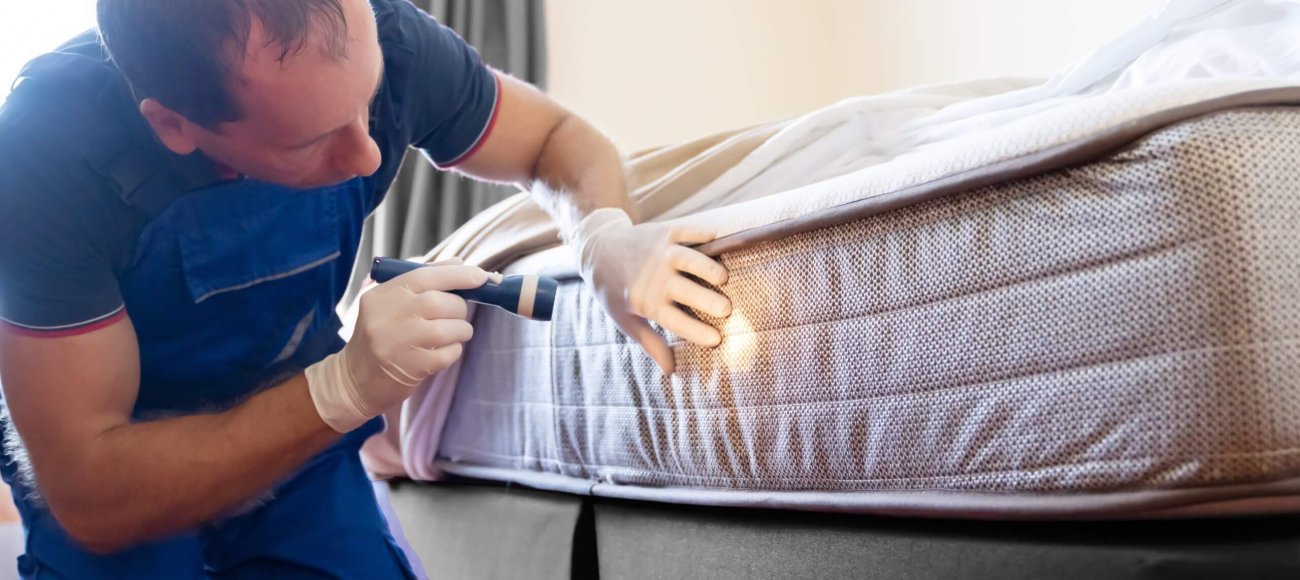
Before going ahead with a treatment, verify the presence of bed bugs. Misidentification can lead to irrelevant treatments and unnecessary expenses.
Inspect:
- Mattress seams
- Box springs
- Bed frames
- Headboards
- Upholstered furniture
- Wall cracks
- Electrical outlets
- Luggage and clothing
Common signs indicating the presence:
- Live reddish-brown bed bugs
- Tiny white eggs
- Shed skins
- Small dark fecal spots on bedding or furniture
2. Declutter and isolate infested items
Bed bugs thrive in clutter because it gives them many hiding spots.
To reduce their spread:
- Pack infested clothing in sealed plastic bags
- Push furniture away from walls
- Reduce clutter around sleeping areas
- Avoid moving infested items into clean rooms
3. Use heat to kill bed bugs
Heat is one of the most effective non-chemical control methods
Suggested options:
- Dry clothing, bedding and soft toys on the highest dryer setting for at least 30 minutes
- Use a steam cleaner on mattresses, furniture, bed frames and carpet edges
- Ensure steam temperatures exceed approximately 120°F (49° C) because bed bugs cannot survive prolonged exposure to high temperatures
4. Vacuum thoroughly
Vacuuming helps eliminate:
- Adult bed bugs
- Nymphs
- Eggs
- Shed skins
Pay special attention to:
- Mattress seams
- Furniture joints
- Baseboards
- Carpet edges
- Cracks and crevices
Immediately seal and dispose of the vacuum contents in a plastic bag outside the home to prevent re-infestation
5. Apply diatomaceous earth
A research published in Pest Management Science (2024) found that diatomaceous earth was able to achieve complete bed bug mortality in two days under laboratory conditions. This demonstrates its potential to be a promising low-cost, non-chemical control option.
Food-grade diatomaceous earth (DE) is an inexpensive desiccant powder that causes damage to insect’s protective outer layer, causing dehydration
Apply a light layer around:
- Baseboards
- Bed legs
- Furniture joints
- Wall cracks
Do not apply a thick layer as it reduces effectiveness. Use required respiratory protection during application to avoid inhaling fine dust. DE gradually shows it’s effect and is most effective when combined with other control methods.
6. Install mattress encasements and bed bugs interceptors
Using a mattress encasement can help trap any bed bugs already hiding inside your mattress and block new ones from entering. Using bed bug interceptors for bed and furniture legs can help:
- Monitor infestation levels
- Capture crawling bed bugs
- Reduce movement between hiding places and sleeping areas
While these tools alone are not sufficient to eliminate bed bugs, they can play an important role in an effective bed bug control treatment plan
7. Wash and seal infested fabrics
Wash:
- Bedding
- Curtains
- Clothing
- Pillow covers
Use hot water whenever suitable for the fabric, followed by high-heat drying
After cleaning:
- Store items in sealed plastic bags or airtight containers until the infestation is eliminated
This prevents recontamination while reducing the available hiding places for bed bugs
8. Monitoring progress continuously
Bed bug control rarely succeeds after a single treatment
Continue to:
- Inspect sleeping areas every week
- Check interceptors regularly
- Repeat vacuuming and steam treatment
- Watch for fresh bites, eggs or fecal spots
Consistent monitoring helps detect surviving populations before they become established again
How to prevent bed bugs from returning
Even after successful treatment, preventive measures are important to prevent re-infestation.
Best practices include:
- Inspect hotel rooms and luggage after travelling
- Wash and heat-dry travel clothing immediately upon returning home
- Avoid household clutter
- Inspect mattresses and upholstered furniture regularly
- Use protective mattress encasements
- Avoid bringing discarded furniture indoors without careful inspection
Routine inspections are particularly important in apartments, hotels, dormitories and shared housing where bed bugs spread more easily.
Also read – Rising Bed Bug Incidents in Hotels: Practical Detection Protocols That Actually Work
When to seek professional help for bed bugs
The DIY methods are effective and reliable in cases of early or small infestations. Professional pest management should be considered when:
- Bed bugs presence after several weeks of treatments
- Infestation spread into multiple rooms
- Visible bed bugs in large numbers
- Allergies or health concerns among residents
Professional pest control organizations use specialized equipment, advanced monitoring tools, and insecticides may be highly effective against resistant bed bug populations.
How bed bug control products are tested before reaching the market
Before bed bug control products are approved for commercial use, standardized laboratory and field efficacy studies are performed to evaluate the performance efficacy.
The parameters evaluated include:
- Morality against different life stages of bed bug
- Speed of kill
- Residual efficacy over time
- Performance on various treated surfaces
- Effectiveness against resistant bed bug populations
- Product safety and label compliance
Also check – Bed Bug Repellency Test : Evaluating the efficacy of products in repelling bed bugs
For bed bug product manufacturers
Development of a reliable bed bug control product is combination of optimized formulation and scientific validation.
At Microbe Investigations Switzerland, we provide comprehensive laboratory and field/semi field efficacy testing services for bed bug control products that help manufacturers validate product performance using globally accepted testing protocols.
To discuss about your testing needs, contact our experts today.
Frequently Asked Questions
1. How can I conclude if my bed bug infestation is too severe for DIY treatment?
If you still find live bed bugs, new bites, or new eggs even after several weeks of consistent treatment, or if the infestation has spread to multiple rooms, It can indicate the need for a professional pest control team.
2. Can professional treatment get rid of bed bugs in just one visit?
It depends on the severity of infestation. Some infestations could be treated in a single heat treatment, but larger or widely spread infestations often need multiple visits to achieve effective control
3. Are bed bugs resistant to insecticides?
Yes. Many bed bug populations have developed resistance to commonly used insecticides, which led to reduced effectiveness of some over-the-counter products. Professional pest control providers generally use combined treatment plans to achieve effective results
4. Is heat treatment better than chemical treatment for bed bugs?
Heat treatment can eliminate both bed bugs and their eggs in single treatment if performed properly. Chemical treatments provide longer-lasting protection. Many professionals combine both methods to achieve most effective results
5. Should I throw my mattress away if I have bed bugs?
Not necessarily. In most cases, mattresses can be treated and protected with a certified bed bug mattress encasement.
6.How long should I monitor my home post treatment?
It is recommended to continue monitoring your home for at least 6-8 weeks post treatment.
7. Can bed bugs return after professional treatment?
Yes. Luggage, second-hand furniture or neighbouring units can act as sources for bed bug re-infestation. Hence, regular inspections should be carried to prevent the risk of re-infestation
8. How are bed bug control products tested before they reach the market?
During testing, factors such as Knockdown, mortality, residual activity and overall efficacy are evaluated. These help verify the bed beg control products performance and support regulatory requirements.