Key Takeaways
- USP <51> and PCPC test methods are widely used test standards to test antimicrobial preservative performance in cosmetics and personal care products
- USP <51> is typically used for pharmaceutical and also cosmetic products while PCPC is mainly applicable to cosmetics and personal care products
- USP <51> is developed by United States Pharmacopeia and is widely referred to in the US markets while PCPC guidelines align with international cosmetic safety requirements.
- Both test methods involve challenging the test product with bacteria, yeast and molds, and then measuring the microbial growth over defined intervals
- Choosing the right standard depends mainly on product type, market region and regulatory expectations.
Summary
Preservative efficacy testing (PET) evaluates whether the preservatives in cosmetics or personal care products or pharmaceuticals can effectively inhibit microbial growth throughout product shelf life and consumer use. The key difference between USP <51> and PCPC guidelines lies in their scope of testing. USP <51> is broadly used for pharmaceuticals and some cosmetics with a more standardized, stringent approach, while PCPC is specifically designed for cosmetic products with flexibility based on formulation type and usage.
What is preservative efficacy testing (PET)?
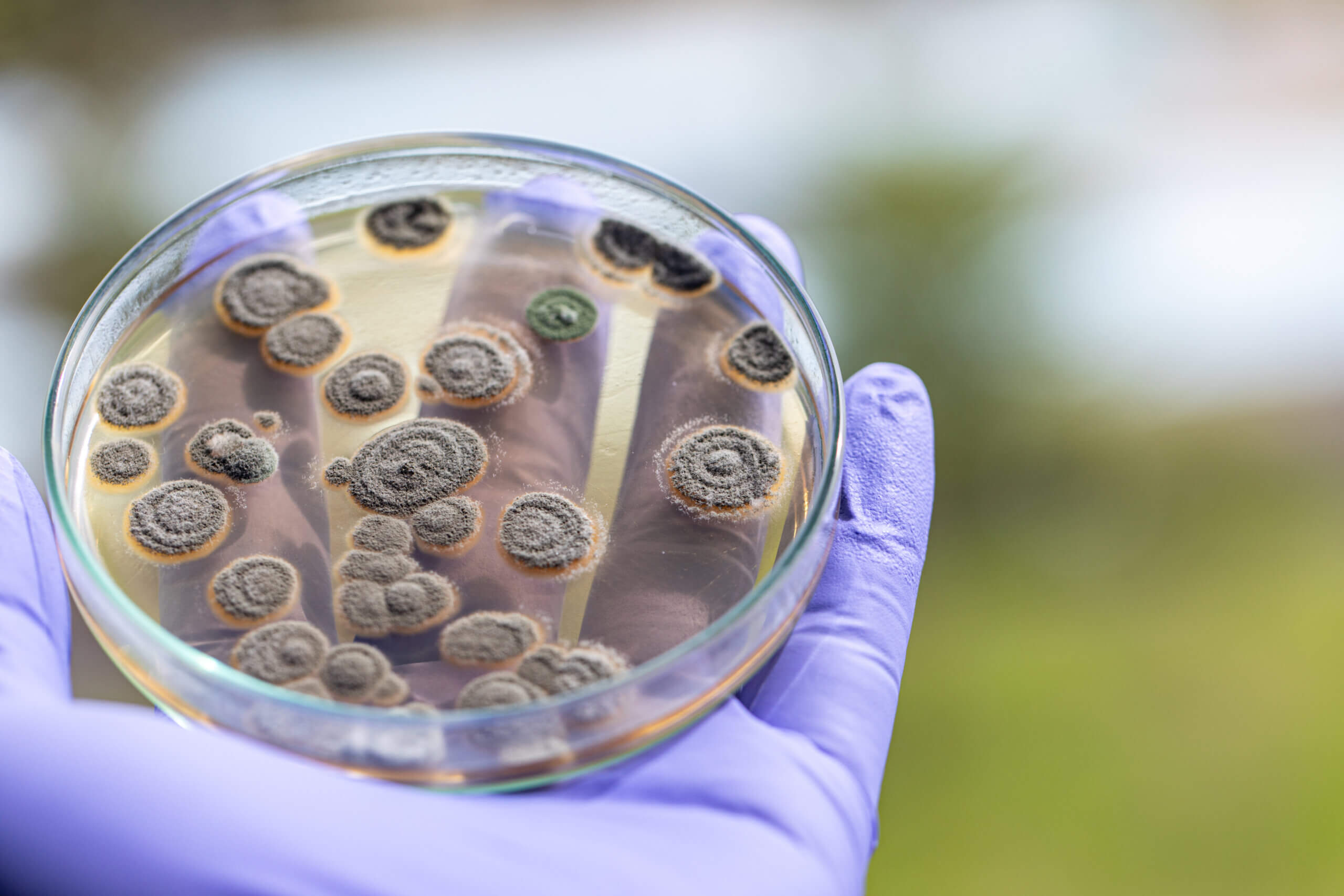
Preservative efficacy testing (PET), also known as Preservative challenge test, is used to evaluate if a product’s preservative system can inhibit microbial growth throughout its lifecycle. This is tested by intentionally introducing bacteria, yeast or mold to the test sample and then assessing the microbial growth over defined time intervals. PET is an important test for non-sterile products, especially water-based cosmetics and multi-use pharmaceutical formulations that may be exposed to contamination during normal use.
Why it matters:
Microbial contamination can compromise product safety, stability, and performance. PET ensures that preservatives are effective enough to protect users from potential infections and maintain product integrity.
- Ensures that preservatives are effective to prevents microbial spoilage and protect consumer health
- Demonstrates preservative performance throughout shelf life
- Supports regulatory submissions and global market access
- Helps optimize preservative concentration
What is USP <51> Antimicrobial effectiveness test
USP <51> , also known as Preservative Efficacy Testing (PET), is developed by the United States Pharmacopeia used to evaluate the antimicrobial preservative effectiveness by measuring microbial reduction over time in pharmaceutical and cosmetic products. It uses bacteria, yeast and mold to perform the test, generating log reduction data over defined intervals.
Industries where USP <51> is used:
- Pharmaceuticals
- Cosmetics
- Personal care products
Test overview:
The test starts with inoculating the test product with specified microorganisms. Inoculated test samples are then incubated at specified temperatures and viable counts of microbial colonies are taken at days 7, 14, 21 and 28 days of incubation.
Microorganisms used in used USP <51>:
Bacteria –
- Staphylococcus aureus
- Escherichia coli
- Pseudomonas aeruginosa
Fungi and Yeast –
- Candida albicans
- Aspergillus brasiliensis
Acceptance criteria:
The preservative effectiveness in the test product is determined by comparing microbial count at specific time intervals to the initial concentration of test microorganisms. USP <51> has specific log reduction criteria that products must meet to pass the test. It differentiates products in 4 different categories. Depending on the product category, a log reduction of at least 2 or 3 from the initial count at 14 days is required.
What is PCPC preservative testing?
PCPC preservative testing, developed by the Personal Care Products Council (PCPC), is a preservative efficacy or challenge test that evaluates the effectiveness of preservative system in cosmetics and personal care products.
The method is used to assess if a product’s preservative system is capable of inhibiting microbial growth and contamination by simulating consumer use conditions. PCPC testing provides good flexibility in the guidelines depending on product formulation, packaging and intended use.
Industries were PCPC testing is used:
- Cosmetics
- Personal care products
- Skin care and hair care products
- Toiletries and rinse-off products
Test overview:
The test involves inoculating the test product with specified microorganisms and then incubating under controlled environment with specified temperature. During this period, microbial growth is assessed in intervals over a 28-day test period.
Test microorganisms used in PCPC test methods:
Bacteria –
- Staphylococcus aureus
- Escherichia coli
- Pseudomonas aeruginosa
Fungi –
- Candida albicans
Acceptance criteria:
The preservative performance in the product is evaluated by comparing microbial counts at specified time intervals to the initial concentration of test microorganisms. The product is said to pass the test if it achieves significant reduction in microbial count within the specified time as suggested by standard.
What is the difference between USP <51> and PCPC?
There are several differences between the two including:
Scope of application
- USP <51> – While also applicable to cosmetics, It is primarily applicable for pharmaceutical products, designed for high-risk products that require strict microbial control
- PCPC – This test is specifically designed for cosmetics and personal care products. It assesses varied contamination risks across cosmetic formulations.
Test organisms used
- USP <51> – It uses standardized microorganisms including Staphylococcus aureus, Escherichia coli, Pseudomonas aeruginosa, Candida albicans, Aspergillus brasiliensis
- PCPC – It uses similar microorganisms but may include additional or alternative strains depending on the product type and risk level
Testing methodology
- USP <51> – It has a highly strict and standard procedure with defined inoculum concentrations, incubation time, sampling intervals on day 7,14,21 and 28. It outlines stringent microbial reduction values more suitable for pharmaceuticals
- PCPC – It has a standard but flexible testing framework that can be adapted to diverse cosmetic formulations. It is designed to reflect product diversity and real-use exposure.
Acceptance criteria
- USP <51> – It classifies the test products into 4 categories and specifies standard log reduction values to be achieved for products under that category. It typically requires ≥ 2-3 log reduction on day 14.
- PCPC – Acceptance criteria for this test method is based on product type and preservative system making it suitable for a wide range of cosmetics.
What standard should you use : USP <51> or PCPC?
Choosing between USP <51> and PCPC preservative testing depends on several factors, including product classification, intended use, formulation characteristics, regulatory requirements and target market.
Key factors to consider:
Product type –
- USP <51> – Pharmaceuticals and OTC drugs
- PCPC – Cosmetics and personal care products
Regulatory expectations –
- USP <51> – Aligns with pharmacopeial and drug regulatory requirements
- PCPC – Supports cosmetic industry safety evaluations
Testing flexibility –
- USP <51> – Strict methodology and acceptance criteria
- PCPC – Adaptable and risk-based evaluation
Stage of testing –
- USP <51> – Often suitable for final regulatory validation
- PCPC – useful during formulation development and optimization
USP 51 vs PCPC :
| Parameter | USP <51> | PCPC test methods |
| Origin | United States Pharmacopeia | Personal care products council |
| Purpose | To assess the effectiveness of a preservative system in controlling microbial growth in pharmaceutical and cosmetic/personal care products | To evaluate preservative efficacy during development of personal care and cosmetic products |
| Regulatory recognition | Compendial method under the United States Pharmacopeia, widely accepted for pharmaceuticals, OTC products and cosmetics | Not legally mandated, but commonly used for product development, screening and internal quality assurance. |
| Flexibility | Low | Medium |
| Scope of application | Aqueous and non-aqueous pharmaceutical dosage forms, cosmetics, and personal care products containing preservatives. | Broad range of personal care products including creams, lotions, makeup, wipes, eye products, and nonwoven substrates. |
| Pass criteria | Quantitative results expressed as log reductions at defined time points | Quantitative log reduction data, acceptance criteria varying depending on specific PCPC method |
Do you need multiple preservative tests for global markets?
In many cases, multiple preservative efficacy tests are required when products are intended for distribution across different global markets. Regulatory expectations and industry standards vary based on region, and each framework evaluates preservative efficacy using slightly different methodologies and acceptance criteria. While all preservative challenge tests such as USP <51>, PCPC and ISO 11930 have the same objective, they differ in scope, flexibility and regulatory acceptance. As a result, manufacturers often prefer a multi-standard testing strategy during product development and validation.
Emerging trends in preservative testing
With changes in product innovation, regulatory expectations, consumer preferences and how microbial safety is assessed, the need for preservative validation is evolving rapidly.
Emerging trends influencing preservative testing include:
- Rise of preservative-free or low preservative formulations, that require stronger validation of alternative protection strategies
- Growth of microbiome-friendly cosmetics, with focus on selective microbial control without disturbing beneficial skin microbes.
- Adoption of risk-based safety assessments, moving beyond fixed criteria toward product-specific evaluation needs
- Real-world contamination simulation, designed to better replicate consumer usage and environmental exposure conditions.
- Multi-standard compliance strategies, integrating USP, ISO, and regional testing frameworks to support global market access.
Why choose MIS?
MIS delivers reliable preservative efficacy testing in accordance with standards like USP <51> and PCPC testing conducted by an experienced microbiology team and provides transparent result interpretation. Our preservative challenge testing service helps pharmaceutical and personal care product manufacturers assess formulation performance under real challenge conditions to ensure product safety and efficacy.
Other supporting tests such as USP 61 and Aerobic Plate Count can also be provided.
Conclusion
Preservative efficacy testing plays an important role in making sure cosmetics, pharmaceutical and personal care products are microbiologically safe and stable. Standards such as USP <51> and PCPC provide reliable frameworks to evaluate preservative performance, each modified to serve different industries and product risks. By understanding the differences between the standards such as methodology, acceptance criteria, applicability and regulatory relevance, manufacturers are advised to choose the most appropriate method that matches their product and target market to achieve regulatory compliance, gain consumer confidence and maintain product quality.
FAQs
How do I decide whether to use USP <51> or PCPC testing for my product?
The choice depends on product classification, intended use and regulatory requirements of the target market.
Which preservative efficacy test is required for pharmaceutical vs cosmetic products?
USP <51> is preferred for pharmaceutical products whereas PCPC is preferred for cosmetic products.
Should I perform both USP <51> and PCPC for better validation?
For products intended for multiple markets and broader reach, performing both tests can provide stronger validation.
At what stage of product development should I expect USP <51> vs PCPC?
PCPC is commonly used during formulation development to evaluate preservative systems and optimize concentration while USP <51> is used for final validation.