Key takeaways
- Cosmetic shelf life is influenced by formulation composition, environmental exposure, packaging and consumer usage conditions.
- Microbial contamination is a major stability risk, especially when the product is water based and frequently used.
- Preservative systems can lose effectiveness over time due to chemical degradation and external factors
- Heat, humidity, light exposure and improper storage accelerate product deterioration and microbial risk.
- USP <51> testing helps confirm whether a preservative system of a product can effectively protect a product under real-world contamination conditions.
Summary
Cosmetic shelf life depends on factors such as formulation stability, preservative performance, packaging design, storage conditions and microbiological control. Environmental exposure and preservative degradation can lead to contamination, reduced efficacy, and safety risks over time. USP <51>, also known as Antimicrobial Effectiveness testing, verifies that the preservative system remains effective throughout the product’s life cycle. This test method helps manufacturers ensure product safety, stability and regulatory confidence.
Why shelf life is critical risk in cosmetics
Cosmetic products are exposed to repeated consumer handling, various environmental conditions, and very easy microbial contamination throughout their lifecycle. Hence, it is very important that they remain safe and effective, despite continuous exposure to air, fingers and moisture. Poor shelf-life management can lead to microbial growth, degradation of ingredients over time, product instability and potential safety risks for consumers.
What is cosmetic shelf life
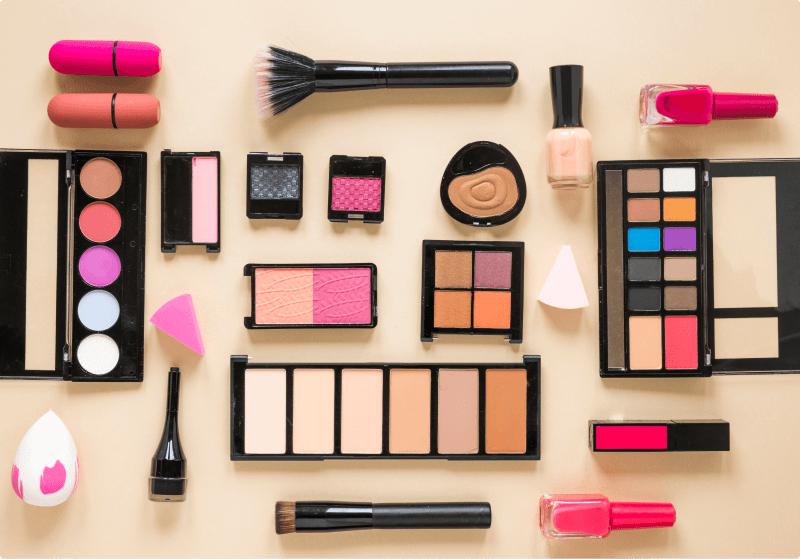
Cosmetic shelf life refers to the period during which a product remains safe, stable and performs as intended when stored under recommended conditions. During this time, the formulation of the product should maintain:
- Microbiological safety
- Chemical stability
- Physical appearance
- Functional performance
- Preservative effectiveness
Shelf life is typically validated through stability testing and microbiological assessments.
Factors influencing cosmetic shelf life
Formulation design
- Ingredients in the product such as oils, water and active compounds can degrade over time
- Certain preservatives lose effectiveness, impacting product stability
Microbial contamination
- Bacteria, yeast and mold grow if there is no proper preservation of the product
- Risk of contamination is more in water-based and natural formulations
Manufacturing process and quality control
- Poor hygiene during production introduces initial contamination
- Inadequate GMP practices reduces robustness of the product
- Equipment sanitation and raw material quality are critical
Packaging design
- Open-jar packaging increases contamination risk
- Airtight pumps reduce microbial exposure
- Packaging compatibility directly affects ingredient stability
Storage conditions
- Heat accelerates chemical degradation
- Humidity promotes microbial growth
- Light exposure can destabilize active ingredients and preservatives
Consumer usage patterns
- Contact with fingers introduces microorganisms
- Improper closing or dilution by users reduces preservative effectiveness.
What is USP <51> testing?
USP <51>, also called Antimicrobial Effectiveness Test (AET), is a standard developed by United States Pharmacopeia that evaluates the antimicrobial efficacy of preservative system of a pharmaceutical or cosmetic product by measuring microbial reduction over time. It generates log reduction data over defined intervals representing the preservation efficacy of the product.
Industries where USP <51> is used
- Pharmaceuticals
- Cosmetics
- Personal care products
How USP <51> supports cosmetic shelf life
- Validating preservative effectiveness – The test evaluates and validates that the preservative system can actively inhibit microbial growth throughout the product’s lifespan
- Using relevant challenge microorganisms – The test uses challenge microorganisms that are usually contaminate the product in real-world conditions.
- Monitoring microbial reduction – The test method defines a standard and efficient framework to track the reduction of the bacterial, yeast or mold growth over specific time intervals.
How USP <51> testing works
Test overview:
The test starts with inoculating the test product with specified microorganisms. Inoculated test samples are then incubated at specified temperatures and viable counts of microbial colonies are taken at days 7, 14, 21 and 28 days of incubation.
Microorganisms used in USP <51>:
Bacteria –
- Staphylococcus aureus
- Escherichia coli
- Pseudomonas aeruginosa
Fungi and Yeast –
- Candida albicans
- Aspergillus brasiliensis
Acceptance criteria:
The preservative effectiveness in the test product is determined by comparing microbial count at specific time intervals to the initial concentration of test microorganisms. USP <51> has specific log reduction criteria that products must meet to pass the test. It differentiates products in 4 different categories. Depending on the product category, a log reduction of at least 2 or 3 from the initial count at 14 days is required.
Common reasons why cosmetic products fail shelf life
There can be many factors that can cause failure of the product in shelf life including:
- Incompatible or weak preservative systems
- Improper preservative concentration
- High water activity formulations
- Preservative performance affected due to interaction between ingredients
- Poor manufacturing hygiene
How manufacturers can improve shelf life
Improving shelf life of a product involves directing combined focus on proper formulation design, microbiological control and considering real-world use conditions. Key areas of focus include:
- Designing formulations with preservative compatibility in consideration.
- Optimizing pH and water activity to make sure they naturally limit microbial growth
- Select protective packaging to minimize contamination during storage and use
- Revalidating preservative systems through testing whenever there is a change in formulation, raw materials or packaging changes.
FAQs
What affects the shelf life of cosmetics the most?
The shelf life of cosmetics is most affected by microbial contamination, formulation stability, and storage conditions. Products with high water content, natural ingredients, or insufficient preservatives are particularly at risk, while exposure to heat, light, or air can accelerate chemical degradation.
Why is USP <51> testing important for cosmetics?
USP <51> test evaluates whether a product’s preservative system can effectively inhibit microbial growth during storage and use. This helps manufacturers confirm product safety, support shelf-life claims and reduce contamination risks in real-world use conditions.
Can preservatives stop contamination forever?
No, preservatives slow or control microbial growth but do not provide permanent protection Their effectiveness decreases over time due to degradation, ingredient interactions and repeated exposure during consumer use.
Which cosmetic products have the shortest shelf life?
Water based products such as creams, lotions, gels and liquid cosmetics typically have shorter shelf lives because water activity is often vulnerable to microbial growth.
How is cosmetic shelf life determined?
Cosmetic shelf life is determined through stability testing, microbiological testing and preservative effectiveness studies conducted under controlled laboratory conditions.