Key insights
- AATCC 30 test method evaluates the resistance of textiles against fungal and mildew growth under controlled conditions.
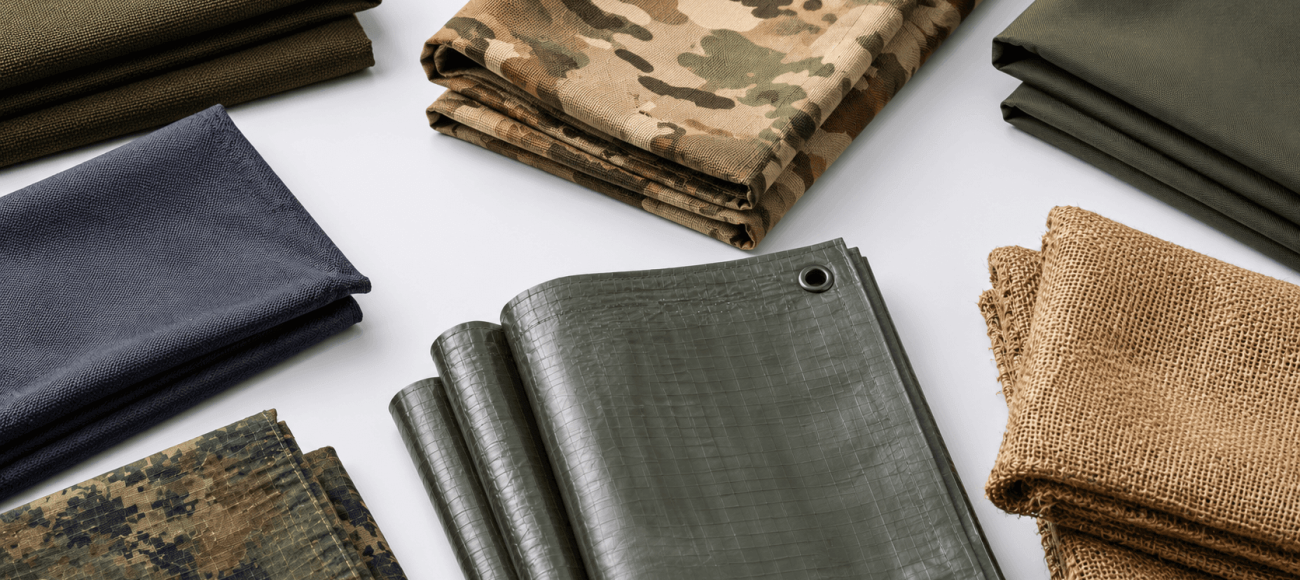
- It is applicable to textiles used in humid environments. Examples – outdoor fabrics, coated materials, military textiles, footwear components and upholstery products
- There are four test methods under AATCC 30. AATCC 30 method III mainly assesses visible fungal growth on textile surfaces
- This Antifungal textile test method generates a qualitative result based on observing visible fungal growth
- AATCC 30 test method helps manufacturers support mildew-resistant and mold-resistant textile claims for their products.
Summary
AATCC 30 test method, established by the American Association of Textile Chemists and Colorists, evaluates textile resistance against fungal and mildew growth and rot formation. It helps determine the effectiveness of antifungal or fungistatic treatments applied to fabrics and related products. AATCC 30 generates a qualitative result, based on visible fungal growth, microscopic observation and measurement of tensile strength loss (for rot resistance).
Also read – ISO 20743 vs AATCC 100: How antibacterial activity in textiles is tested
Test methods under AATCC 30
AATCC 30 test method has four different types of tests, each for specific exposure and textile type.
- AATCC 30 test I – Soil burial test
- AATCC 30 test II – Agar plate test, Chaetomium globosum
- AATCC 30 test III – Agar plate test, Aspergillus niger
- AATCC 30 test IV – Humidity jar test, Mixed spore suspension
Why does antifungal textile testing matter?
Fungal growth causes damage to textiles by:
- Surface discoloration
- Bad odor formation
- Fiber degradation
- Reduced product lifespan
- Lost aesthetic appearance
Modern textile products are expected to maintain both durability and hygiene. Therefore, antifungal textile testing has become important in product development, validating performance, and supporting regulatory claim. AATCC 30 test method helps manufacturers identify fungal contamination issues before products launch into the market.
What does AATCC 30 test method III evaluate?
AATCC 30 test method III evaluates the fungal resistance of textiles. It mainly assesses the aesthetic and surface impact of fungal contamination.
What does it measure
- Discoloration
- Visible surface growth of fungi
- Staining or unsightly colones
Why is it popular
This test method provides a strong indication of fungal resistance under stringent laboratory conditions. The Agar plate setup makes it easier to observe fungal colonization behaviour directly.
What is the difference between mildew resistance and rot resistance
Mildew resistance – It measures the ability of textile to inhibit/resist visible fungal growth on surface. It mainly assesses surface-level contamination such as spotting, discoloration and visible mold formation.
Rot resistance – It measures the resistance against structural damage or fibre degradation caused by fungal attack. It assesses deeper fungal deterioration that often weaken textile integrity, reduce tensile strength, or damage fibres over extended exposure periods.
Fungal strains used in AATCC 30 test III
Aspergillus niger (ATCC-16888) is the mandatory test strain in AATCC 30 test III
AATCC 30 test method III procedure
Preparation for test
- 14 days old Aspergillus niger culture is grown and spores are harvested, diluted to prepare inoculum
- Both treated and control samples are cut as per test method requirements
Inoculation
- Agar plates are prepared, followed by inoculation with the fungi
- The test and control samples are moistened with a non-ionic wetting agent and then directly inoculated with fungal suspension.
Incubation
- The inoculated plates are incubated for a defined time period under specified conditions
Recovery and evaluation
- Post incubation, the samples are observed both macroscopically and microscopically and the fungal growth is evaluated according to a standard grading scale.
Test conditions in AATCC 30 test method III
| Parameter | Test conditions |
| Test temperature | 30 ± 2°C |
| Test duration | Typically up to 14 days of incubation |
| Sample size | Test sample cut in circles with 3.8 ± 0.5 cm diameter |
| Result interpretation | Rated as
Lower or no growth indicates higher resistance |
How are AATCC 30 Test III results interpreted?
AATCC 30 test method III uses a qualitative measurement to evaluate the results. The test samples are observed microscopically and macroscopically to identify fungal growth. The growth is evaluated using a standardized grading scale to determine the efficacy
The growth on rating scale is rated as:
- No growth
- Microscopic growth
- Macroscopic growth
Less growth or no growth indicates high fungal growth resistance while macroscopic growth indicates less resistance to fungal growth.
Why do environmental conditions matter
Environmental conditions significantly influence fungal growth behaviour during textile use. High humidity, poor ventilation, elevated temperatures, and moisture retention can accelerate fungal contamination on textiles. AATCC 30 test method simulates favorable conditions for fungal growth to assess whether textile treatments remain effective under challenging environments.
Textiles intended for outdoor, marine, military, sportswear and industrial applications often require fungal resistance validation because of their increased exposure to damp conditions.
Textile products commonly tested under AATCC 30 test method
AATCC 30 test method can be used for various textiles such as:
- Cotton, silk, wool, linen
- Rayon, nylon, spandex, co-acrylic, polyester
- Sandbags, tarpaulins, tents and more
Benefits of AATCC 30 testing
AATCC 30 test method
- Supports product claims associated with antifungal activity, mildew-resistance and mold-resistance
- Provides standardized performance validation which in turn enhances brand credibility
- It identifies formulation gaps early, allowing for product optimization and reducing the risk of fungal damage throughout product lifespan
- Allows comparative evaluation of different textile treatments and coating technologies.
AATCC 30 vs ASTM 21 vs ISO 13629-2
| Parameter | AATCC 30 | ASTM G21 | ISO 13629-2 |
| Purpose | To assess antifungal activity of textiles to mildew and rot. | To assess antifungal resistance of plastics and polymeric materials | To determine the antifungal activity of textiles using a plate count method. |
| Test Microorganisms | Aspergillus niger | Aspergillus brasiliensis, Penicillium funiculosum, Chaetomium globosum, Trichoderma virens, Aureobasidium pullulans | Aspergillus niger or Aspergillus brasiliensis |
| Scope of Products | Textiles like cotton, silk, wool, sandbags, tarpaulin, rayon, spandex etc | Synthetic polymeric materials (films, sheets, molded parts) | Textiles including fibres, yarns, fabrics, apparel, home textiles, and industrial goods. |
| Incubation Time | Longer (14 days) | Longer (Up to 28 days) | Shorter (typically ~48 hours) |
| Results Interpretation | Visual and microscopic observation of fungal growth | Qualitative: Visual fungal growth rating (0–4 scale) | Quantifies fungal growth by colony count (CFU) |
Read more –
ASTM G21 – Fungal Resistance Testing for Polymeric Materials
ISO 13629-2 – Antifungal Textile Test for Fungal Resistance
Why do textiles fail AATCC 30 testing
Several factors can contribute to product failure:
- Insufficient antifungal treatment concentration
- Non-uniform treatment application
- High moisture retention by textile
- Incompatible coating formulations
- Poor wash durability of antifungal finishes
Need help with antifungal textile testing?
Manufacturers developing mildew-resistant, mold-resistant or antifungal textile products often require standardized laboratory testing to validate product performance. At MIS, our expert microbiology provides rigorous antifungal textile testing services, right from choosing the most appropriate test standard for your product to delivering reliable and reproducible results.
To discuss your AATCC 30 Test 111 needs, contact our experts today.
FAQs
1. Can synthetic fabrics be tested using AATCC 30 test method?
Yes, both natural and synthetic fibres can be tested under AATCC 30 test
2. Is AATCC 30 suitable for outdoor textiles?
Yes, it is commonly used for outdoor and humid-environment textile products.
3. Which fungus is commonly used in AATCC 30 test III?
Aspergillus niger is the most commonly used fungal strain
4. Is AATCC 30 a quantitative test?
No, AATCC 30 is primarily a qualitative test
5. What is the difference between AATCC 30 and AATCC 100?
AATCC 30 evaluates antifungal performance of textiles whereas AATCC 100 evaluates antibacterial activity of textiles
6. What is the difference between mildew resistance and antifungal activity?
Mildew resistance refers to preventing surface fungal growth and staining. Rot resistance refers to preventing fiber degradation and loss of material strength.
7. Can coated textiles be evaluated using AATCC 30?
Yes, coated textiles, laminated materials and treated fabrics can all be evaluated using AATCC 30 test method
8. Why is Aspergillus niger commonly used in AATCC 30?
It is widely used because it grows aggressively under humid conditions and provides consistent fungal challenge conditions for laboratory evaluation.
9. Does AATCC 30 simulate humid environmental conditions?
Yes, the test used controlled incubation temperature and humidity conditions designed to encourage fungal growth
10. Can AATCC 30 evaluate wash durability?
No. Washing durability must be evaluated separately, with laundering performed before AATCC 30 testing.