Key Takeaways
- Evaluates how effectively textiles deter mosquitoes by preventing them from landing and biting.
- Testing uses controlled laboratory setups to simulate mosquito exposure
- Compares treated fabrics with untreated control samples
- Measures outcomes like mosquito landing, biting and Complete Protection Time ( CPE)
- Testing is typically carried out using established methods such as the arm-in-cage test.
- Supports product validation for mosquito-repellent claims in fabrics
Summary
Mosquito repellent textile testing evaluates how effectively treated fabrics prevent mosquito landing and biting. The performance is measured under controlled laboratory conditions using standardized methods such as arm in cage tests involving human volunteers that simulate mosquito exposure. This test helps validate repellent claims for textiles such as clothing, nets, and protective fabrics by comparing treated samples with untreated controls.
What is Mosquito Repellent Textile Testing?
Mosquito repellent textile testing is done to check the efficacy of a fabric impregnated with chemical or natural repellents to prevent mosquitoes from deterring on fabric. It is applicable to treated textiles like clothing, nets, upholstery, and protective fabrics.
Why This Testing is Important
Mosquito-borne diseases like dengue and malaria continue to be a major health concern. Because textiles are in constant contact with human skin or surroundings, they can either reduce or increase exposure risks.
Mosquito repellent textiles have emerged as a promising solution to reduce risks of mosquito bites. However, simply adding repellents is not enough to ensure real-world effectiveness. This is where testing becomes essential. Mosquito repellent textile testing such as arm in cage test verifies how well these fabrics actually perform under controlled conditions, helping confirm their protective capability, durability after use and washing, and overall reliability before they reach consumers.
Types of Mosquito Repellent Textiles Tested
- Chemically treated fabrics (e.g., permethrin-based)
- Herbal or plant-based finishes
- Coated multifunctional textiles
- Insecticide-embedded fibers
Principle of Mosquito Repellent Testing
The principle of mosquito repellent textile testing is based on evaluating how effectively a treated fabric interferes with mosquito behavior under controlled conditions. Testing involves exposure of mosquitos to a fabric treated with repellent agents, the material should either prevent them from landing, reduce their attraction, or discourage biting compared to an untreated control fabric.
Key measured outcomes include:
- Mosquito landing rate
- Biting or probing activity
- Time to repellency failure
How Mosquito Repellent Testing Works (Arm in cage method explained )
- A human volunteer’s arm is covered with the mosquito repellent treated textile sample
- The arm is inserted into a cage containing a controlled number of live mosquitoes
- Exposure is carried out for a fixed time period under standardized conditions
- Mosquito behavior is closely observed during exposure
- Number of mosquito landings and attempted bites on the covered arm is recorded
- A control setup using an untreated arm or fabric is tested in parallel
- Results from treated and control arms are compared to assess repellency
- Reduction in landing or biting activity indicates the effectiveness of the textile
- Data is used to calculate repellency percentage and overall performance of the fabric
Factors That Affect Test Results
Several factors performance:
- Mosquito species used: Different species respond differently to repellents, which can directly influence observed effectiveness.
- Type of active ingredient or treatment: The chemical or natural repellent used, along with its concentration and formulation, plays a major role in performance.
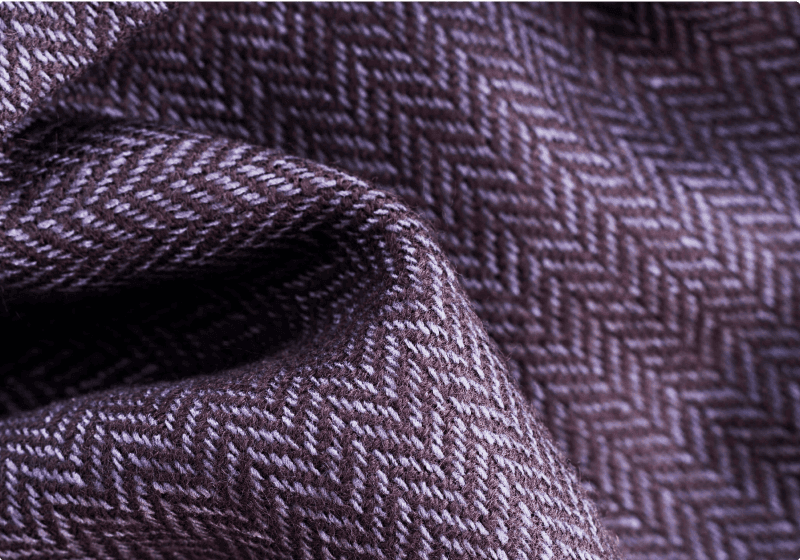
- Fabric structure: The weave, porosity, and surface characteristics of the textile (woven, nonwoven, coated) affect how repellent is retained and released.
- Environmental conditions: Temperature, humidity, and airflow can alter mosquito activity and repellent volatility, impacting results.
- Duration of exposure: Longer or repeated exposure periods can change repellency performance and help assess durability over time.
Applications of Mosquito Repellent Textile Testing
- Anti-mosquito clothing and uniforms
- Bed nets and protective home textiles
- Outdoor apparel and sportswear
- Medical and healthcare fabrics
- Industrial and military protective textiles
Conclusion
At Microbial Investigations Switzerland (MIS), we specialize in rigorous testing and validation services to ensure the efficacy and safety of mosquito repellent textiles. Our state-of-the-art laboratories and experienced team of researchers and entomology experts are dedicated to providing precise and dependable testing solutions.
Contact us today to learn more about how our comprehensive testing services can support your product development and ensure consumer safety and satisfaction.
FAQs
1. What is mosquito repellent textile testing?
Mosquito repellent textile testing is a laboratory test involving volunteers to determine how effectively a treated fabric can prevent mosquitoes from landing on, biting through, or interacting with the material.
2. Which methods are used to test mosquito repellent fabrics?
Several methods are used to evaluate mosquito repellent fabrics, but the arm-in-cage test is the most frequently used and widely accepted method for performance assessment.
3. How is repellency measured in textiles?
It is measured using parameters like mosquito landing rate, bite reduction, and percentage repellency compared to untreated fabric.
4. Why is untreated fabric used in testing?
Untreated fabric acts as a control to clearly measure the effectiveness of the repellent treatment.
5. Does lab testing reflect real-world performance?
Lab testing provides a controlled and standardized way to measure how well mosquito repellent textiles perform, but it does not always fully replicate real-world conditions
6. What fabrics can be tested for mosquito repellency?
Almost all textile types including cotton, synthetics, nonwovens, and coated fabrics can be evaluated.