Key Takeaways
- EN 1276 evaluates the bactericidal efficacy of disinfectants intended for domestic, industrial and food-related environments.
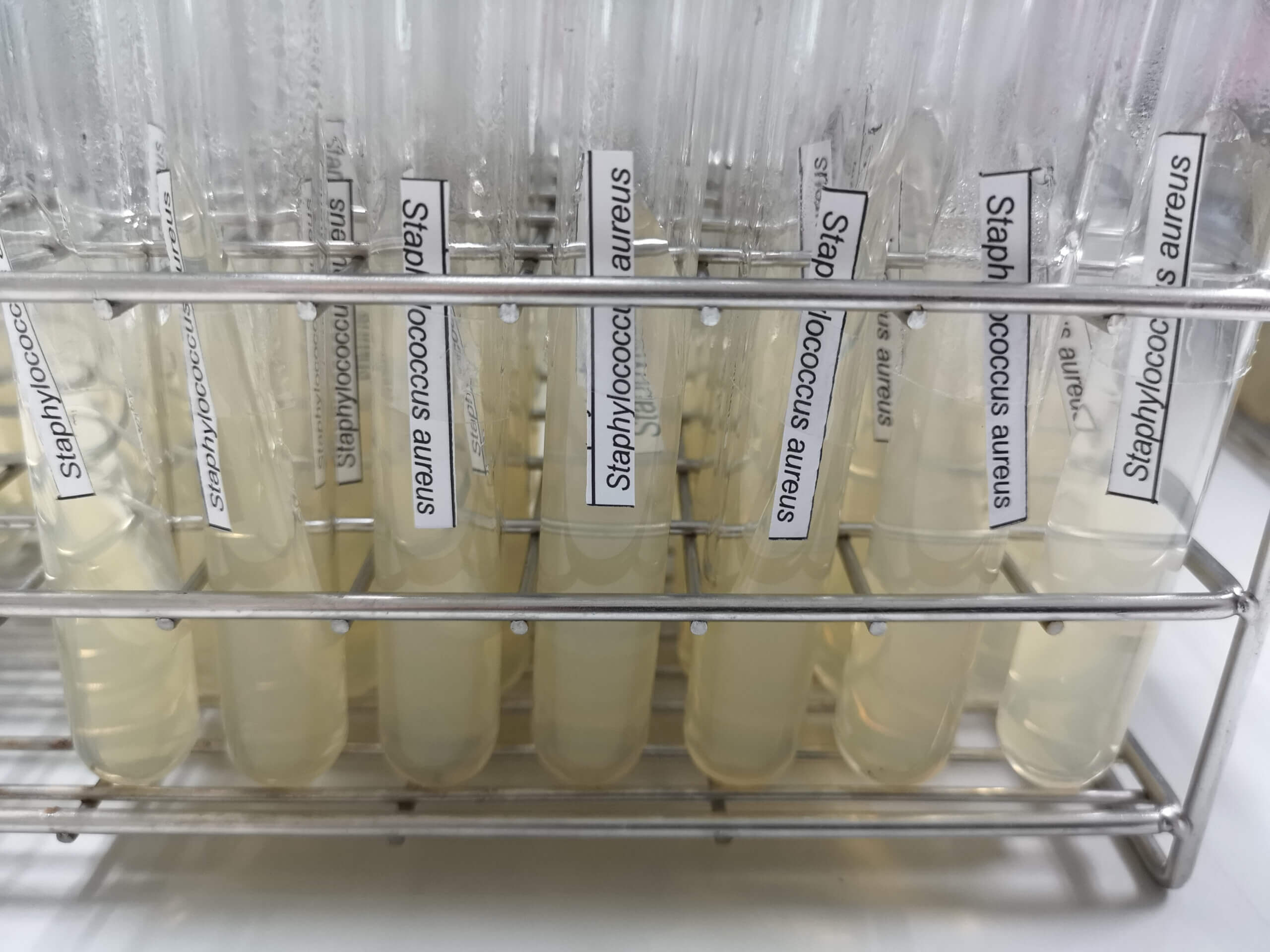
- EN 1276 uses specific bacterial strains such as Pseudomonas aeruginosa (ATCC 15442), Escherichia coli (ATCC 10536), Staphylococcus aureus (ATCC 6538) and Enterococcus hirae (ATCC 10541)
- In Europe, compliance with standards like EN 1276 is critical before market launch
- To pass EN 1276 test, the product needs to demonstrate ≥5 log reduction in bacterial count.
- EN 1276 Test results are used by disinfectant manufacturers for regulatory submissions as a proof of efficacy for antibacterial performance.
Summary
EN 1276 is a phase 2 step 1 European standard used to evaluate the bactericidal effectiveness of disinfectants which are used for areas where disinfection is not medically indicated. To comply with EN 1276, a product must achieve at least a 5 log reduction in bacterial count under standard testing conditions such as contact time, soil load, incubation temperatures.
Why EN 1276 testing matter ?
Disinfectants play a critical role in keeping households, workplaces, and food processing areas safe from harmful bacteria. But, it is imperative to understand that not all disinfectants are created equal.
And to ensure products actually work what they claim, regulatory bodies expect a proof of antibacterial performance. Manufacturers and companies making antimicrobial hygiene products rely on standards like EN 1276 to ensure product efficacy to prevent spread of infectious diseases.
Here, EN 1276 is a critical benchmark to ensure hygiene performance in Europe and globally.
Understanding why EN 1276 matters, how it works, and how to achieve certification is essential for manufacturers and regulators.
What is EN 1276?
EN 1276 is a phase 2 step 1 standard that evaluates the bactericidal activity of chemical disinfectants and antiseptics. Bactericidal efficacy of disinfectant products is checked by exposing disinfectant products to target microbes suspended in solution.
EN 1276 testing is applicable for products used in areas where disinfection is not medically indicated. Testing is done for products such as –
- Chemical disinfectants and antiseptic made for food, industrial and domestic settings
- Hand hygiene products used in above mentioned industries
EN 1276 Testing Methodology
- Preparation of the test suspension
Test sample is combined with a standardized bacterial suspension and interfering substances.
- Contact time
The test mixture is maintained at a controlled temperature for a specified contact time, ensuring enough interaction between target microbes and sample product.
- Neutralization
After contact time, the test mixture is neutralized to stop further antimicrobial activity.
- Microbial enumeration
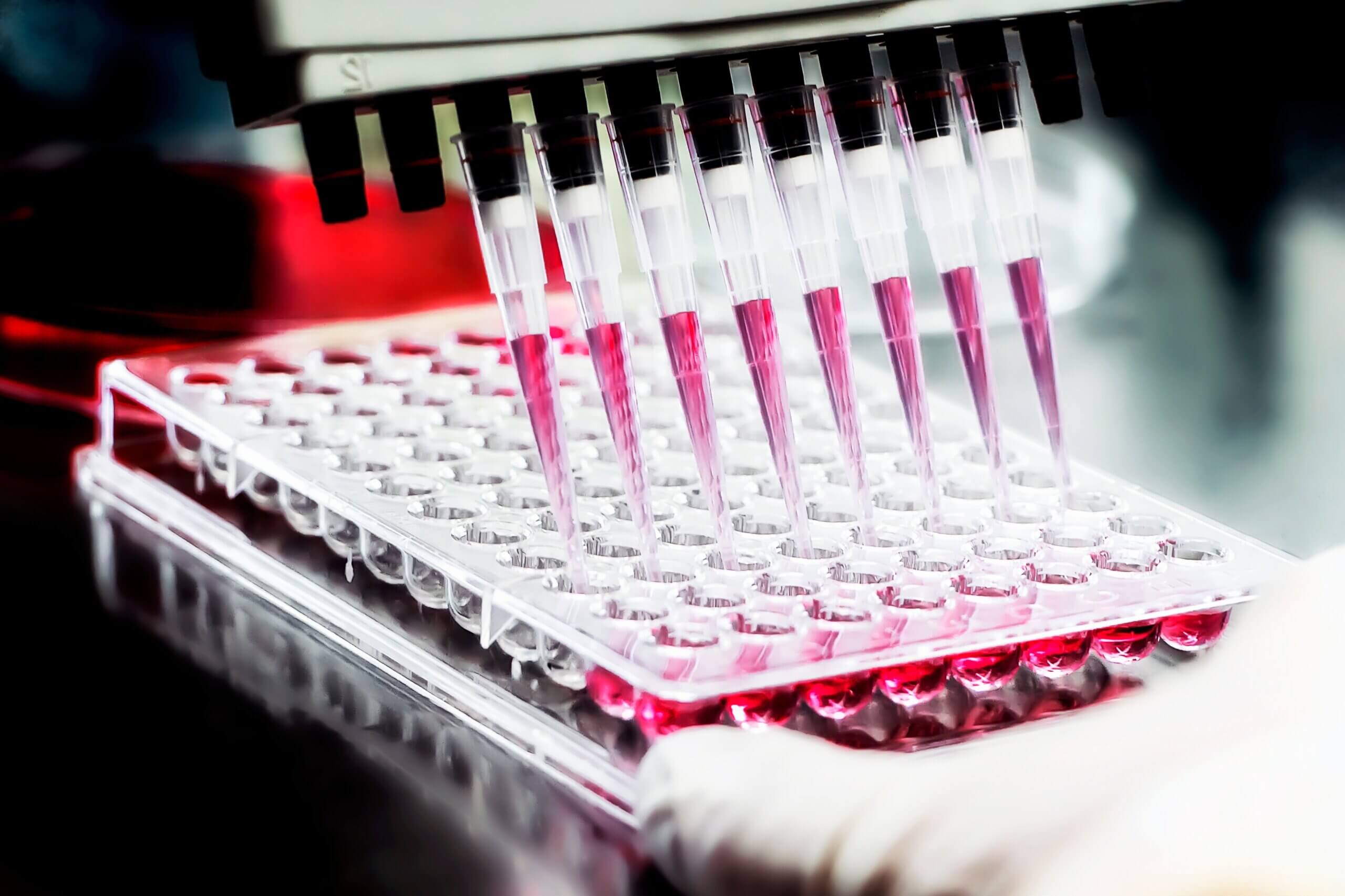
Neutralized sample is enumerated to determine the remaining surviving microorganisms by using the plating method This step is followed by incubation and enumeration of colony-forming units(CFU). Post incubation, reduction in microbial colonies on treated samples is compared with control to understand bactericidal performance of the product.
- Performance criteria
To meet EN 1276 requirements, a ≥ 5 log reduction in viable bacterial count must be demonstrated under the defined test conditions.
Why EN 1276 is Important for Regulatory Compliance
Compliance with the EN 1276 test standard is required for products marketed in Europe. Non-compliance may lead to fines, product recalls, and erosion of brand reputation. In addition, compliance also helps to penetrate new markets since most buyers want products that meet recognized standards.
The primary advantages are:
- Regulatory Approval: European authorities require evidence of bactericidal efficacy for disinfectants, particularly in food, domestic, and industrial areas. By ensuring product efficacy, EN 1276 provides that benchmark.
- Safety Assurance: This standard verifies that products effectively eliminate target bacteria, minimizing contamination and infection risks.
- Marketing Claims: EN 1276 test results help the manufacturers to support bactericidal product claims, building consumer trust.
- Product Quality: EN 1276 compliance reflects reliable and robust formulation practices and manufacturing quality control
- Reduces Risk of Non-Compliance: Following this standard prevents potential legal complications, product recalls, or regulatory rejection due to unverified claims
How to Achieve EN 1276 Certification Step-by-Step)
Step 1. Understand EN 1276 test requirements – First and foremost step is to understand content requirements such as required bacterial strains, scope of application, test conditions, contact times, and log reduction criteria. Knowing all the requirements will help to understand if your product falls within the scope of testing.
Step 2. Select a competent testing laboratory
Choose a laboratory that has proven experience in testing as per EN guidelines. Only competent lab can ensure credible and reliable results accepted by regulatory bodies.
Step 3. Prepare and submit product samples to the testing laboratory
While submitting your product for testing, how you share the requirements, define your claims and contact conditions, and prepare the right sample plays a crucial role in ensuring accurate and reliable test results.
Critical steps to be considered –
- Define product claims
Clearly outline the disinfectant’s intended efficacy (e.g., bactericidal activity, contact time).
- Specify area of product usage
Clearly mention whether the product is for domestic, industrial, or food-contact applications.
- Ensure proper sample packaging
Samples for testing should be selected from final formulation that is going to be marketed, not trial or expired batches. Ensure samples are packaged correctly to maintain integrity during transport.
- Usage instructions – Cleary mention usage instructions like dilution ratios and contact times
- Clarify Doubts with Experts: If you still have any confusion about sample submission, consult the laboratory staff or testing experts
Step 4: Review test results and validate performance
Carefully review whether the product achieves the required 5-log reduction under defined test conditions. Also confirm that performance is consistent across all parameters. And still your product performance falls below the required passing criteria across any of the test parameters, plan to refine the formulation and retest to achieve the desired efficacy.
Step 5: Compile documentation
Maintain complete records of testing, results, validation, and labeling alignment. Documentation is essential for regulatory submission, audits, and internal quality control.
Comparing EN 1276 vs EN 1040
| Parameter | EN 1040 | EN 1276 |
| Test Phase | Phase 1 | Phase 2, Step 1 |
| Purpose | Basic activity screening | Practical bactericidal validation |
| Test conditions | Simple lab conditions | Simulated real-use conditions |
| Interfering substances | Not included | Included (clean & dirty conditions) |
| Log Reduction | ≥ 5 log | ≥ 5 log (≥3 for handwash) |
| Regulatory importance | Not sufficient alone | Required for claims & compliance |
Comparing EN 1276 vs EN 13697
| Category | EN 1276 | EN 13697 |
| Claims | Antibacterial | Antibacterial, Antifungal /Yeasticidal |
| Test Phase | Phase 2, Step 1 | Phase 2, Step 2 |
| Mandatory test organisms | Pseudomonas aeruginosa, Escherichia coli, Staphylococcus aureus, Enterococcus hirae | Bacteria: Staphylococcus aureus, Escherichia coli, Pseudomonas aeruginosa, Enterococcus hirae
Fungi/Yeast: Candida albicans, Aspergillus brasiliensis |
| Scope | Disinfectants and antiseptics intended for food, industrial, domestic and institutional areas | Disinfectants and antiseptics intended for food, industrial, domestic and institutional areas |
| Passing criteria (Log reduction) | ≥ 5 log reduction | ≥ 4 log for bactericidal activity
≥ 3 log for fungicidal/yeasticidal activity |
Common Mistakes Manufacturers Make
Even well developed products may fail EN 1276 due to common oversights:
- Using unrealistic contact times – If the selected contact time does not reflect actual product use, the results may not support intended claims.
- Ignoring interfering substances – Testing only under clean conditions can lead to overestimated performance, especially when the product is used in dirty environments.
- Incorrect concentration selection – Testing at a concentration different from the intended use level can result in misleading outcomes.
- Late-stage testing – Conducting EN 1276 too late in development may lead to reformulation delays if the product fails to meet the required log reduction.
When Do You Need Additional Testing?
While EN 1276 is essential for demonstrating bactericidal activity in suspension, it does not represent surface-based performance.
Additional testing may be required when:
- The product is intended for surface disinfection
- Claims need to reflect real-use application scenarios
- Regulatory frameworks need phase 2 step 2 tests
For more details contact our experts now
Microbe Investigations Switzerland (MIS) conducts comprehensive EN 1276 testing and validation. Ensure your disinfectants meet the most stringent requirements in matters of safety and efficacy with our professional EN 1276 testing service. Contact Microbe Investigations Switzerland today to learn how we can help fulfill all your compliance and product validation needs.
FAQs
1. Is EN 1276 enough for disinfectant approval?
EN 1276 is often for demonstrating bactericidal efficacy, but it may not be sufficient alone, as additional tests can be needed depending on the intended use and regulatory framework.
2. What organisms are used in EN 1276?
Mandatory test strains under EN 1276 testing include Enterococcus hirae, Escherichia coli, Pseudomonas aeruginosa, Staphylococcus aureus and E. faecium
3. What is the required log reduction?
For general purpose disinfection and handrubs, passing criteria is ≥ 5-log reduction. And handwash products need to achieve ≥ 3-log reduction.
4. Can EN 1276 support marketing claims?
Yes, EN 1276 test results can be used to support marketing claims.
5. Is EN 1276 enough to prove real-world disinfectant performance?
No, EN 1276 is a suspension test and does not fully represent real-world use. Additional tests, especially surface (Phase 2, Step 2) tests, are needed to demonstrate practical effectiveness.
6. What is the difference between clean and dirty conditions?
Clean conditions involve minimal or no organic matter, representing ideal lab scenarios. While, dirty conditions include interfering substances like proteins or organic load, simulating real-world contamination for checking disinfectant performance.