Key takeaways
- EN 1276 is a test method used to evaluate bactericidal efficacy of disinfectants under standardized laboratory conditions.
- To pass EN 1276 testing, the test product must achieve a minimum of ≥ 5 log reduction in bacterial growth.
- Common EN 1276 failure reasons can be due to testing errors such as incorrect dilution, improper neutralization etc
- Other reasons include incorrect packaging, leakage during shipping, or sending unstable formulations can impact EN 1276 test outcomes.
- By understanding bactericidal testing issues, costly failures and delays in product launch can be avoided
Summary
EN 1276 is a quantitative suspension test that evaluates the bactericidal efficacy of a disinfectant under laboratory conditions. Most commonly, EN 1276 failure reasons can be due to insufficient concentration of active ingredient, poor performance in dirty conditions, and inability to maintain efficacy across specified contact times. Optimizing formulations, validating under realistic conditions and adhering strictly to test parameters can help manufacturers avoid test failure.
What does EN 1276 actually measure?
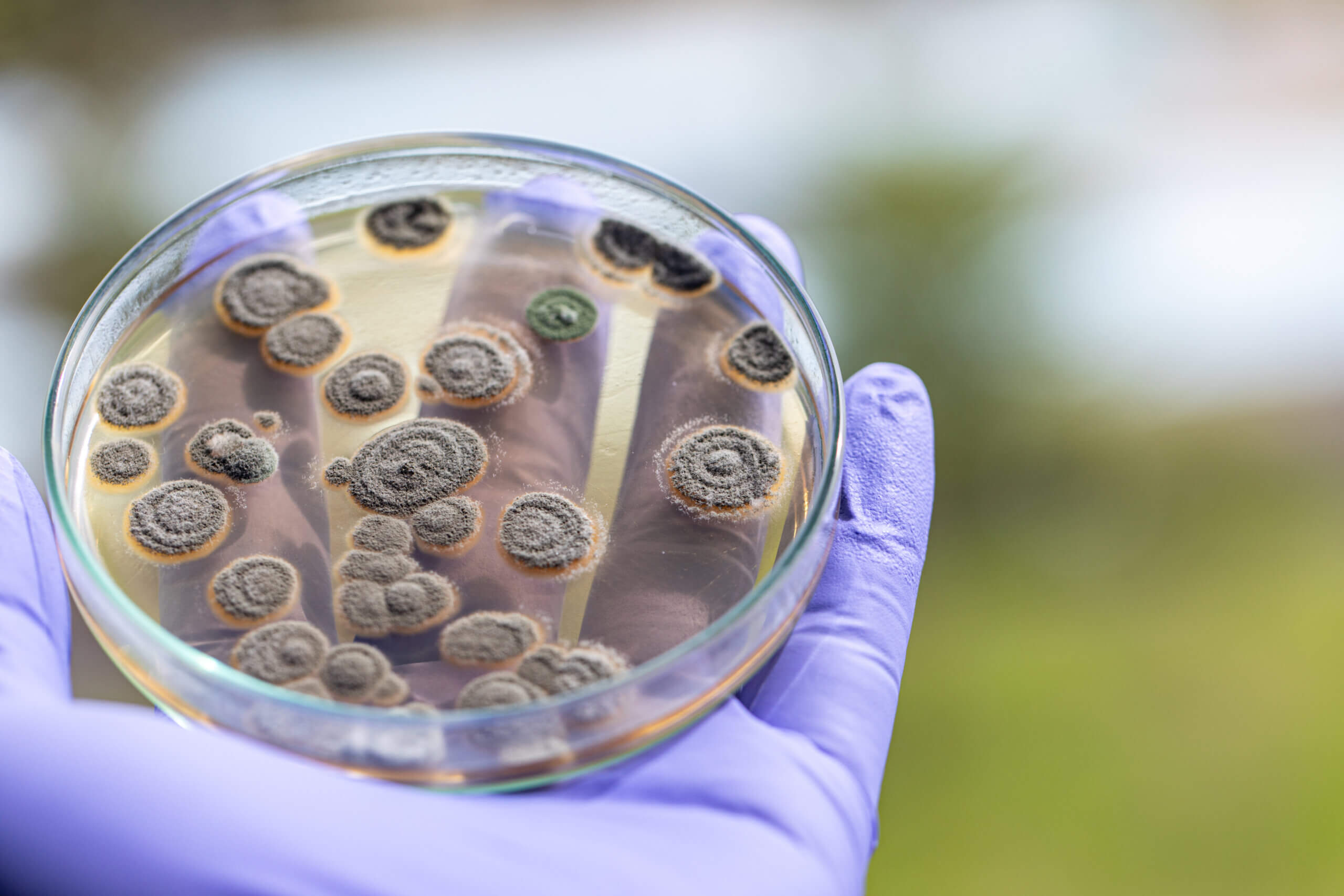
EN 1276 determines the ability of a disinfectant to kill bacteria in a suspension/liquid medium. EN 1276 standard uses following bacterial strains to challenge product efficacy –
- Escherichia coli
- Pseudomonas aeruginosa
- Enterococcus hirae
The test product must demonstrate a minimum of ≥ 5 log reduction (99.999% kill) within a specified contact time to pass the test. One of the major EN 1276 failure reasons is the inability to meet this log reduction criteria consistently across all required organisms.
Key test conditions
EN 1276 tests products intended for general purpose disinfection and Hand Hygiene products with different test conditions
| Parameter | General purpose disinfection | Hand hygiene |
| Contact time | From 1 min to 6 mins (1-5 min at interval of 1 min, 5-60 mins at intervals of 5 mins) | 30s or 60s |
| Test temperature | 4°C – 40°C | 20°C |
| Interfering substance | Clean conditions – 0.3 g/l Bovine Serum Albumin Dirty conditions – 3.0 g/l Bovine Serum Albumin | Clean conditions – 0.3 g/l Bovine Serum Albumin Dirty conditions – 3.0 g/l Bovine Serum Albumin |
Also read : Why EN 1276 is Important for Regulatory Compliance
Common reasons for EN 1276 failure
Several technical and formulation-related factors can cause a product to fail EN 1276 testing:
- Sending expired or improperly stored samples – Expired samples or products stored under incorrect conditions can significantly affect EN 1276 test performance. If the submitted sample does not reflect the actual quality and stability of the final market-ready product, it can lead to inconsistent or failed EN 1276 results. So, make sure you are sending out the right and intact samples for testing.
- Incorrect packaging – Improper sampling or packaging can compromise the quality of the product before it even reaches the laboratory. Issues such as leakage, contamination, use of unsuitable containers, or insufficient sealing may alter the formulation and impact its antimicrobial performance during EN 1276 testing.
- Insufficient active ingredients concentration – Low levels of active ingredients or inadequate stabilization can prevent the product from achieving the required bactericidal performance
- Reduced efficacy under dirty conditions – Some disinfectants perform well under clean conditions but fail to maintain the required bactericidal activity in the presence of organic matter such as blood, proteins, or dirt. EN 1276 testing often evaluates product performance under both clean and dirty conditions to simulate real-world usage environments. If the formulation is not strong enough to remain effective in challenging conditions, it may not achieve the required log reduction against test microorganisms.
- Inadequate contact time – Some formulations are unable to deliver the required bactericidal action within the specified exposure time.
- Improper pH balance – If the formulation pH is not within the optimal range, the active ingredient may become less effective, negatively impacting bactericidal activity.
- Testing variability or laboratory errors – In some cases, EN 1276 failures may result from testing variability or procedural inconsistencies during the study. Factors such as incorrect dilution preparation, errors in neutralization, deviations in contact time, or variations in incubation conditions can influence the final outcome of the test. Working with an experienced antimicrobial testing laboratory helps minimize these risks and ensures the study is performed according to standardized EN 1276 requirements
How to avoid EN 1276 testing failures
To reduce the likelihood of failure in EN 1276 testing, the following measures should be considered:
- Ensure samples are stored under appropriate conditions and avoid submitting degraded, aged or improperly stored products.
- Samples should be properly packed and sealed to protect from external contamination or exposure during transportation and handling
- Testing should be conducted on the final market-ready formulation rather than experimental, pilot or unstable R&D batches.
- Confirm that the selected dilution range aligns with the product’s intended use instructions and applicable regulatory expectations.
- The neutralizer used during testing must be properly selected and validated to ensure it completely stops the disinfectant action at the required time.
- Preliminary testing under realistic conditions can help confirm that the formulation is capable of achieving the required log reduction before formal testing begins.
- Many bactericidal testing issues can be prevented through accurate dilution preparation, proper handling procedures and maintaining simple quality throughout the testing process.
When is EN 1276 testing required?
EN 1276 is required when:
- Claiming bactericidal activity for disinfectants and antiseptics
- Targeting industrial, food, domestic or institutional settings
- Submitting regulatory requirements in Europe for biocidal product claims
- Validating product performance before scale-up or market launch
Need help with EN 1276 testing?
Are you looking for EN 1276 testing? At MIS, we provide disinfectant testing services in accordance with standard tests such as EN 1276. With an experienced microbiology team, you samples are carefully handled, tested under strict protocols to provide reproducible results helping you in smoother regulatory approval
For better understanding on study design, testing protocols and result interpretation, Contact our experts now
Check related articles :
FAQs
1.Why does my product pass internal testing but fail EN 1276 testing?
Internal testing doesn’t describe any standard conditions while EN 1276 test follows a standard protocol with defined parameters such as organic load, contact time, incubation conditions and dilution accuracy, which makes the validation process more strict and reproducible.
2.What are the most common bactericidal testing issues in EN 1276?
Insufficient neutralization, variability in microbial inoculum, and loss of active ingredient strength due to organic load can be some of the reasons for EN 1276 test failure.
3.How do dirty conditions affect EN 1276 results?
Dirty conditions introduce organic matter which can bind or inactive disinfectants, reducing bactericidal activity.
4.How do I decide the right concentration and contact time before submitting for EN 1276 testing?
You decide the right concentration and contact time based on your intended application, regulatory expectations, and preliminary efficacy data. Before submitting for EN 1276, you should already have an idea of expected log reduction performance under realistic use conditions aligned with BPR guidelines.
5.What is the required log reduction for EN 1276?
EN 1276 requires a ≥ 5 log reduction (99.999% kill) in bacterial count under defined test conditions.
6.What organisms are used in EN 1276 testing?
The standard describes Staphylococcus aureus (ATCC 6538P), Escherichia coli (NCTC 10538 , Pseudomonas aeruginosa (ATCC 15442) and Enterococcus hirae (ATCC 10541 ) as the mandatory test organisms.
7.Can a product fail due to incorrect neutralization?
Incorrect or ineffective neutralization is one of the common reasons for EN 1276 failure because if the neutralizer doesn’t fully stop the disinfectant action at the right time, the results get distorted. This can lead to underestimation or overestimation of bactericidal activity, ultimately affecting the final pass/fail outcome even if the product is actually effective.
8.How can I avoid failing EN 1276 testing?
Optimizing formulation, validating performance under both clean and dirty conditions and conducting pre-compliance testing can help avoid EN 1276 failure reasons.