Fungicidal & Yeasticidal Testing
Fungicidal/Yeasticidal testing guidelines specify laboratory test procedures to assess the efficacy of antifungal-coated test products or disinfectants.
Fungi are ubiquitous, however, they tend to grow more quickly in moist or humid conditions. This rapid growth of fungi/yeast on any surface leads to unsightly discoloration, foul odor, accelerated structural damage, and can also result in serious health risks. Hence, there is an increased demand for antifungal/anti-yeast agents that can prevent damages caused by fungal/yeast growth and thus preserve the aesthetic value and shelf life of the coated material.
Similarly, antifungal treatments are done to fabric materials. Thus, preserving the original color of the fabric and preventing any foul odor due to fungal/yeast growth.
Till date, fungicidal/yeasticidal products available in the market are predominantly in the form of paints, coatings, and disinfectants. Such speciality products are formulated using active fungicidal/yeasticidal agents.
Introduction to Fungicidal/Yeasticidal Testing
Development of fungicidal/ yeasticidal products involves multiple steps and processes which differ depending on the need of their intended use. International organizations like EN (European standards), ISO (International Organization for Standardization), ASTM International (formerly American Society for Testing and Materials), and a few more have developed and published a wide range of standard guidelines to test different kinds of fungicidal/yeasticidal products. These standards specify the testing conditions, test microorganisms, and the passing criteria to ensure the product is able to satisfy its efficacy claims.
These standards have been used by manufacturers worldwide to evaluate the antifungal efficacy of the final product.
Fungicidal/Yeasticidal Testing Methods For Disinfectants at MIS
At MIS, we offer customized solutions to our clients according to their fungicidal & yeasticidal testing needs!
DISINFECTANT TESTS
- EN 1650 – EN 1650 is a quantitative suspension test that evaluates the fungicidal or yeasticidal activity of chemical disinfectants and antiseptics. EN 1650 test is intended for disinfectant products used in food, industrial, domestic, and institutional areas.
- EN 1657 – EN 1657 is a quantitative suspension test for the evaluation of fungicidal/yeasticidal activity of chemical disinfectants and antiseptics used in the veterinary area.
- EN 13624 – EN 13624 specifies a test method to assess the fungicidal or yeasticidal efficacy of antiseptics and disinfectant products intended for use in medical area.
- EN 1275 – EN 1275 specifies a test method that validates the efficacy of disinfectant formulations that are intended to be used in homes, outer environments, and health care settings.
- EN 14562 – EN 14562 is a (phase 2, step 2) carrier test to assess fungicidal or yeasticidal activity of medical instrument disinfectants. In order to comply with EN 14562 standard, test product must demonstrate at least a 4 log reduction in the number of test microorganisms.
- EN 16438 – EN 16438 is a quantitative non-porous surface test for chemical disinfectants and antiseptics used in the veterinary areas without mechanical test. To pass EN 16438, test product must show at least 3 log reductions for reference microorganisms as a minimum measure of efficacy.
Role and applications of Fungicidal & Yeasticidal Testing Services
Fungicidal and yeasticidal testing services play a vital role in ensuring that products effectively combat fungal and yeast contamination. These tests help manufacturers validate antimicrobial claims, comply with regulatory standards and maintain product integrity and durability.
Textiles & Fabrics
Fungi and yeasts thrive in damp conditions, leading to mold growth and fabric deterioration. Testing fungicidal/yeasticidal efficacy of textiles ensures resistance to fungal colonization in humid environments.
In medical settings, hospital linens and bandages require strict fungal resistance to maintain sterility and prevent infections. Outdoor and sportswear fabrics also need protection against fungal growth to extend their lifespan and usability.
Disinfectants
Fungal contamination in hospitals, public spaces, and industries can lead to severe health risks. Disinfectants claiming to have fungicidal and yeasticidal properties need to be tested for their intended usage.
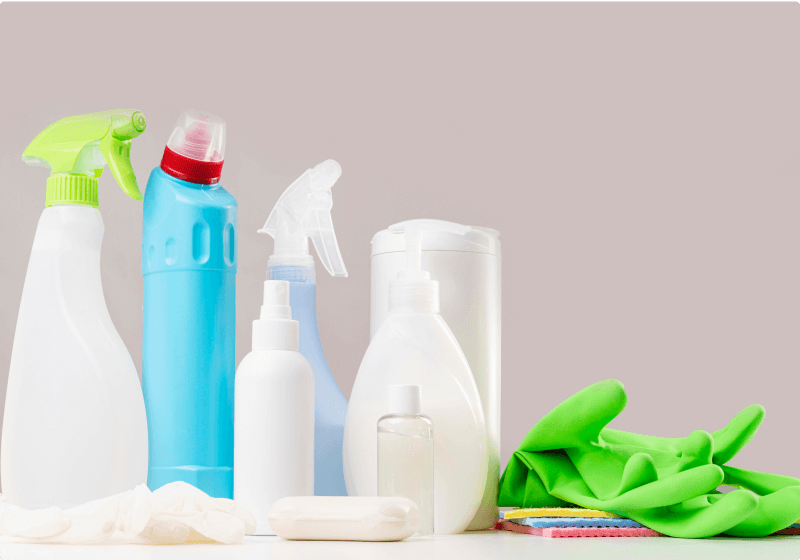
Industrial sanitizers used in food processing and pharmaceutical environments need to meet efficacy standards to maintain hygiene and prevent product spoilage. Personal hygiene products such as hand sanitizers and wipes should be tested to ensure they prevent fungal infections and contamination.
Plastics & Polymers
Plastics and polymers used in packaging, industrial applications, and consumer products are vulnerable to fungal degradation, which affects their durability and usability. Testing ensures that packaging materials remain free from fungal contamination, particularly in food and pharmaceutical industries. Biopolymers and industrial plastics require enhanced durability to resist microbial attack. Automotive and construction materials must also maintain fungal resistance, especially in high-humidity environments where microbial growth is more likely.
Paints & Coatings
Moist environments promote fungal growth on walls, surfaces, and coatings, leading to both aesthetic and structural damage. Architectural paints should be tested for resistance against fungal growth, especially in humid areas. Industrial coatings must prevent fungal colonization on machinery, pipelines, and storage tanks to ensure operational efficiency. Protective coatings used in medical and food processing environments require rigorous testing to meet strict hygiene standards.
Cosmetics & Personal Care Products
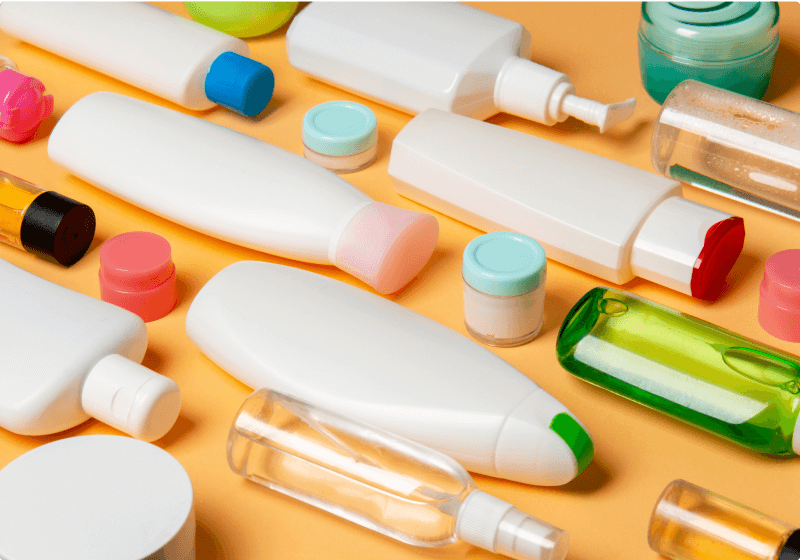
Cosmetic formulations must be free from fungal contamination to ensure product safety and consumer health. Preservatives in creams, lotions, and makeup should be tested for efficacy in inhibiting fungal growth. Shampoos, body washes, and other skincare products must remain uncontaminated to avoid health risks. Organic and natural cosmetics, which often use fewer synthetic preservatives, require specialized testing to confirm antifungal efficacy without compromising product safety.
Why trust MIS with your Fungicidal Testing Needs?
At MIS, we offer a full suite of testing services to different industries involved in development and innovation of antifungal/yeasticidal textiles, paints/coatings, and disinfectant products.
We are dedicated to fully understand the testing needs of our clients and strategizing performance analysis according to international standards.
To learn more about the best suited fungicidal efficacy test for your product, please talk to our experts here.
Antifungal Efficacy Test Methods for Disinfectants
EN standards:

- EN 1275: 2005

- EN 13624: 2013

- EN 1657: 2016

- EN 1650: 2019

- EN 17387: 2021

- EN 16438: 2014

- EN 14562: 2006

- EN 13697: 2015 + A1: 2019

- EN 17272: 2022
PAS standard:

- PAS 2424
Test method for evaluating residual bactericidal and/or yeasticidal efficacy of liquid chemical disinfectants
Other Industries



Frequently Asked Questions
Fungicidal testing evaluates the effectiveness of a product in eliminating or inhibiting the growth of fungi.
Fungicidal testing is essential to evaluate products’ efficacy in controlling infections, preventing material degradation, extending shelf life, and ensuring regulatory compliance and environmental safety.
At MIS, we perform yeasticidal testing against Candida albicans (MTCC 3017) and Aspergillus niger (ATCC-16888). Additional strains can be added on customer request.
Fungicidal testing has broad applications including healthcare, consumer products, industrial and domestic settings.
Chemical disinfectants, antiseptics, paints, coatings, textiles, and plastics are some of the products that are tested for fungicidal or yeasticidal properties.
Ready to test your product?