Quick insights
- The WHO Cone test is a standardized laboratory test developed to assess the efficacy of insecticide-treated materials
- It measures knockdown and 24-hour mortality rates
- It has an important role in vector control as it ensures if products meet their performance claims before they are used in public health programs. tThis test is applicable to insecticide-treated nets, wall coatings, paints, textiles and residual sprays
- Results from this test help in validating performance of product, monitoring of residual efficacy and supporting regulatory compliance
Summary
The WHO Cone test is a globally accepted method to evaluate the effectiveness of insecticide-treated materials used in vector control practices. This test measures important parameters such as Knockdown (KD60) and Mortality (M24) after exposure to the product and provides reliable efficacy data that provides complete assessment of the product performance.
What is WHO Cone test?
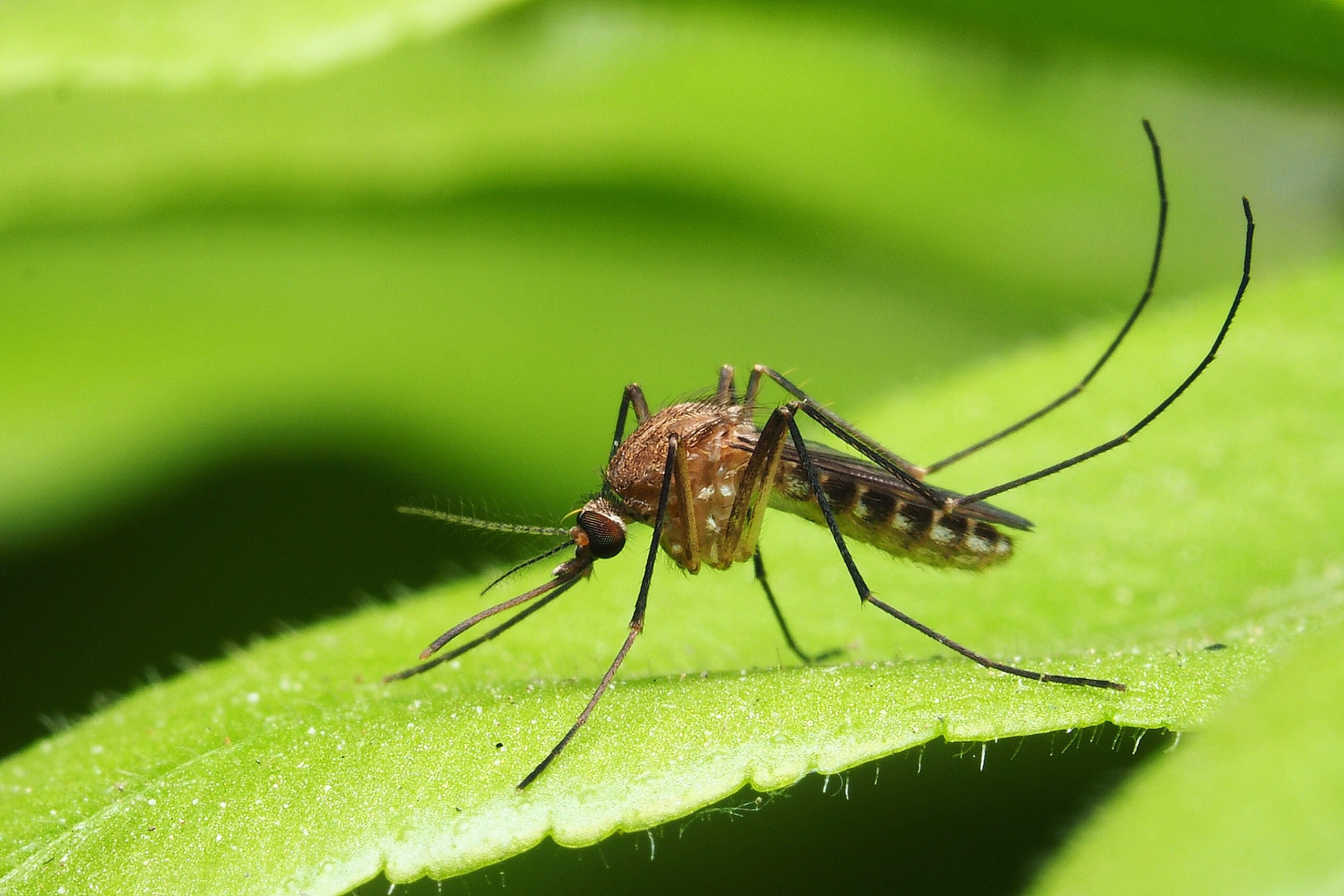
The WHO Cone test is a standard test developed by World Health Organization used to evaluate the effectiveness of insecticide-treated surfaces and materials. This test uses most common mosquito species to evaluate the performance of surface-applied insecticides.
In the test procedure, mosquitoes are exposed to a treated surface using a transparent plastic cone attached to the material. Mosquitoes are kept inside the cone for a defined contact time and then transferred to clean holding containers and observed over time.
Test mosquito species used in WHO cone test:
- Aedes
Applications of the WHO Cone test in vector control
The WHO Cone test is used throughout product development, quality control and post-treatment performance evaluation. Important applications of WHO cone test include:
- It evaluates the performance of Long-lasting insecticidal nets. These are one of the most effective control strategies for preventing mosquito-borne diseases. Hence, understanding the performance, intended service life of LLINs becomes highly important which can be concluded by WHO Cone test
- WHO Cone test is used by public health agencies to evaluate the effectiveness of insecticide-treated walls after indoor residual spraying (IRS). Repeated testing over time helps in understanding how long the treatment can remain active
- WHO Cone test evaluates the performance of insecticidal coatings, paints, textiles (uniforms, curtains, tents, protective fabrics intended for military personnel, healthcare workers and travellers) which are used as effective outdoor and indoor vector control strategies
- The WHO cone test helps researchers, product development teams and manufacturers to compare different insecticide formulations, active ingredient concentrations, treatment technologies and application methods, leading to a product that is effective in vector control
Why is the WHO Cone test important?
The WHO Cone test is highly important as it evaluates the effectiveness of commonly used vector control strategies such as surface-applied insecticides.
WHO Cone test is important because:
- It generates reproducible efficacy data using standardized WHO procedures
- It measures both immediate and delayed effects on mosquitoes
- It is useful throughout product development, quality control and formulation optimization
- It provides useful, reliable data that can be used for submitting regulatory documents
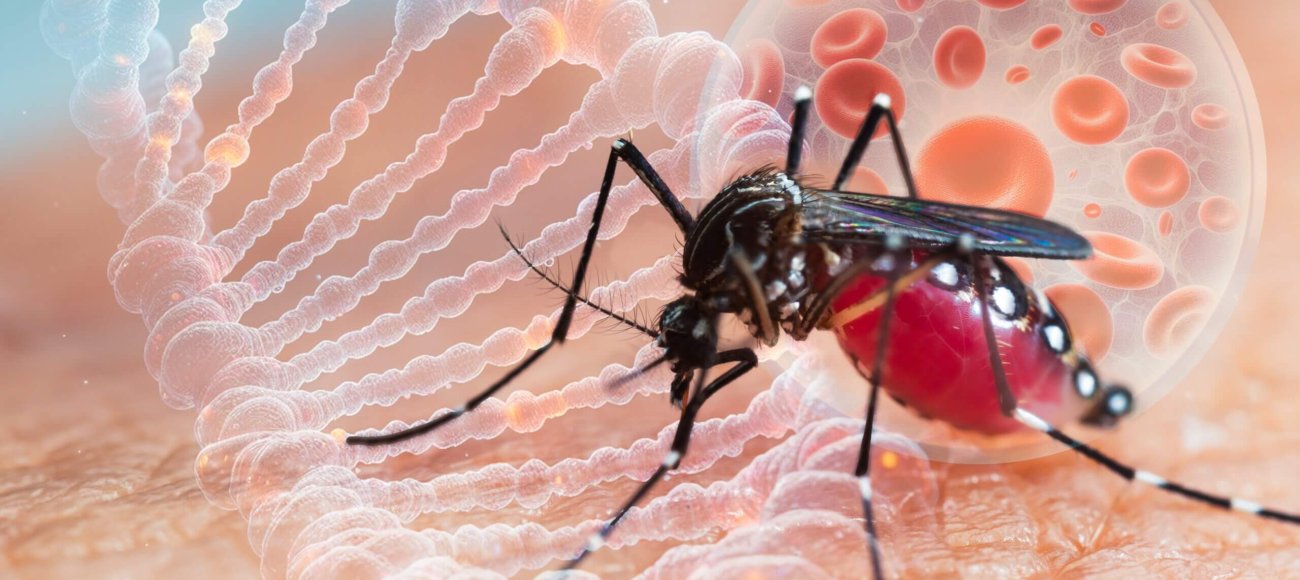
- The data generated by this test is also useful in making informed decisions in combating mosquito-borne diseases such as malaria, dengue and chikungunya
- It simulates real-world exposure conditions, playing a vital role in validating products aimed at protecting public health
Also read
- WHO Cone Test vs Tunnel Test: A Practical Comparison for Insecticide Treated Product Testing
- Understanding the WHO Cone Test: Evaluating Insecticide-Treated Surfaces and Materials
Key parameters measured in WHO Cone test
The WHO Cone test focuses on measuring two main endpoints
- Knockdown at 60 minutes – Knockdown or KD60 is the percentage of mosquitoes knocked down within 60 minutes after getting exposed to insecticide-treated surfaces. Knocked down mosquitoes can be immobilized or unable to fly normally due to the insecticide action. The knocked down mosquitoes are observed by looking at these behaviour patterns and recorded. KD60 helps in understanding the instantaneous effect of product
- Mortality after 24 hours – Mortality or M24 is the percentage of mosquitoes that die within 24 hours after the exposure period and holding time under controlled conditions. Some products may cause immediate knockdown effects that are temporary, and resistant mosquitoes can recover and continue to transmit disease. Hence, 24-hour mortality rate becomes important to evaluate true product efficacy and long-term vector control performance.
Industries that benefit from WHO Cone test
Several industries rely on WHO Cone test:
- Public health organizations
- Manufacturers of mosquito control products
- Insecticide manufacturers
- Treat-textiles manufacturers
- Chemical and formulation developers
- Research institutions
- Government disease control programs
- Product testing laboratories
- Non-governmental organizations involved in vector control
Need WHO Cone testing?
At Microbe Investigations Switzerland (MIS), We provide comprehensive WHO Cone testing services for insecticide treated products intended for mosquito control applications. Our experienced entomology team performs testing in accordance with standardized protocols, under controlled laboratory conditions to generate precise, reliable and reproducible results useful for product development, quality assessment and regulatory submissions.
To discuss your testing needs, contact our experts now
FAQs
1. What is the purpose of WHO Cone test?
The WHO Cone test is used to evaluate the effectiveness of insecticide-treated materials and surfaces against mosquitoes by measuring their biological response after exposure
2. What products can be tested under WHO Cone test?
The WHO Cone test is applicable for Long-lasting insecticidal nets (LLINs), insecticide-treated textiles, spray-treated surfaces, vector control coatings and other insecticide-treated materials used to reduce mosquito contact and disease transmission
3. What are the main endpoints measured?
The primary endpoints measured are Knockdown (KD60) and Morality rate (M24)
4. Why is residual efficacy important?
Residual efficacy indicates how long an insecticide-treated product continues to provide effective mosquito control after application or treatment, helping determine product lifespan and retreatment schedules, helping understand the product lifespan
5. Can the WHO cone test support regulatory submissions?
Yes, the WHO Cone test is commonly used to support product validation and regulatory submissions.