Quick Insights
- EN 17126 is a Phase 2, Step 1 quantitative suspension test used to evaluate the sporicidal activity of disinfectants intended for medical and healthcare environments.
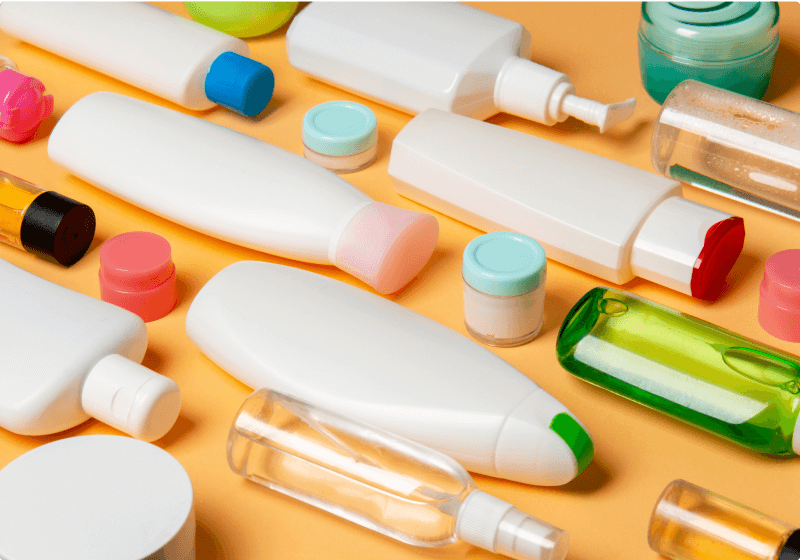
- Products that can be tested under EN 17126 testing include instrument disinfectants, healthcare wipes, textile disinfectants etc
- Mandatory test strains include Bacillus subtilis (ATCC 6633) and Bacillus cereus, Clostridium difficile
- To pass EN 17126 test, the disinfectant must demonstrate a minimum ≥4 log reduction in viable bacterial spores
- In Europe, EN 17126 is considered an important standard for supporting sporicidal claims for medical disinfectants intended for healthcare applications.
Summary
EN 17126 is a phase 2 step 1, quantitative suspension test used to evaluate the sporicidal activity of medical disinfectants against highly resistant bacterial spores. The method helps determine whether disinfectants remain effective against hard to kill bacterial spores. EN 17126 test method is commonly used for hospital disinfectants, instrument cleaners, healthcare wipes, and clinical hygiene products intended for medical environments.
Why is sporicidal efficacy testing important for medical disinfectants?
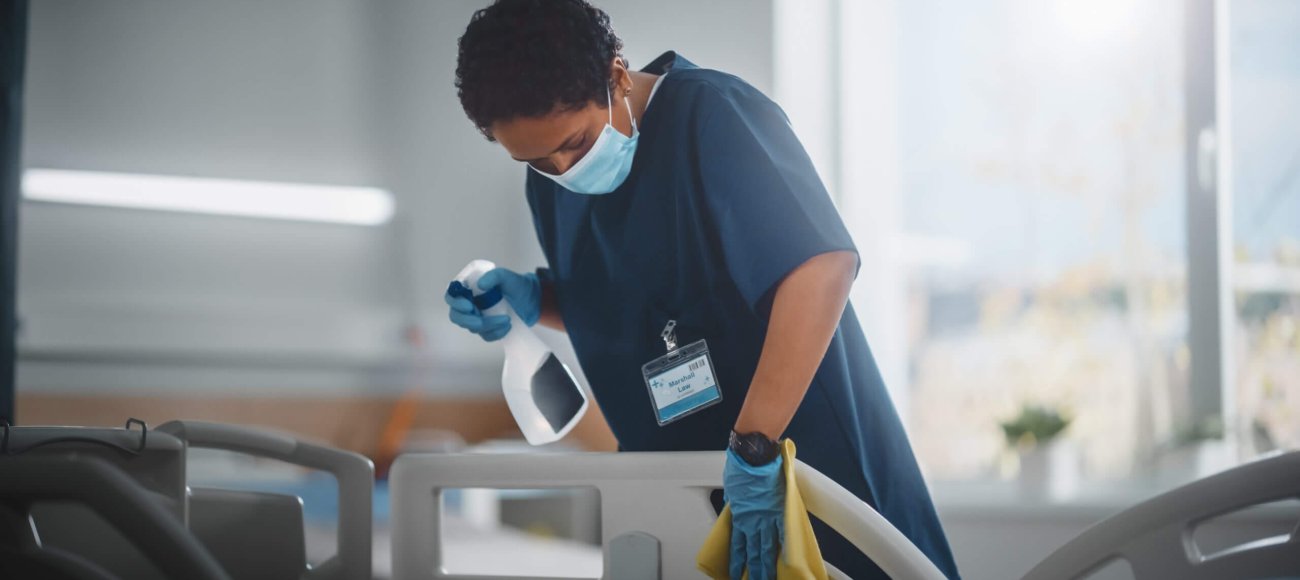
Bacterial spores such as Bacillus subtilis and Clostridium difficile are known to be the one of the major causes of hospital acquired infections due to their ability to survive harsh environmental conditions and resist many conventional disinfectants. These spores can persist on hard surfaces, medical instruments, high touch areas and even healthcare textile for weeks, subsequently increasing the risk of cross contamination and infection transmission.
That is why, healthcare disinfectants intended for critical environments such as medical settings must demonstrate proven sporicidal efficacy under standardized laboratory conditions.
Here, EN 17126 standard plays a critical role by stipulating test conditions, log reduction criteria to validate the efficacy of such products and ensure patient safety.
Why bacterial spores are difficult to eliminate ?
Bacterial spores are one of the most resilient types of microorganisms. Their tough outer layer helps them survive harsh environmental conditions. These spores can endure heat, drying, chemical disinfectants without any nutrients for extended periods. This helps bacterial spores to remain dormant in medical settings, making them harder to remove.
What is the EN 17126 test method?
EN 17126 is a quantitative suspension test used to evaluate the sporicidal activity of chemical disinfectants and antiseptics intended for medical areas. The method assesses whether a disinfectant can achieve the required reduction in viable bacterial spores under defined laboratory conditions.
EN 17126 Parameters | Details |
| Claims | Sporicidal efficacy |
| Test phase | Quantitative suspension test ( phase 2 step 1) |
| Target Microorganisms | Bacillus subtilis (ATCC 6633) and Bacillus cereus, Clostridium difficile |
| Application Area | Hospitals and healthcare facilities |
How the EN 17126 Test Is Performed
1.Preparation of spore suspension
A standardized suspension containing bacterial spores is prepared and mixed with interfering substances.
2. Product exposure
The disinfectant sample is challenged with the spore suspension and maintained for a specified contact time.
3. Neutralization
After exposure, test suspension is neutralized using a neutralizing solution to stop further antimicrobial activity.
4. Enumeration of viable bacteria
Neutralized solution is enumerated to calculate the remaining viable bacteria.
5. Results
The reduction in viable spores is calculated by comparing the microbial counts in test sample vs control.
Clean Conditions vs Dirty Conditions in EN 17126
Sporicidal disinfectants may behave differently depending on the level of organic contamination present during real world application. Therefore, EN 17126 testing method specific clean and dirty conditions to assess where a disinfectant remains effective in presence of organic load.
Check here – For more details dirty vs clean conditions used in EN 17126
Passing Criteria in EN 17126 Testing
To pass EN 17126, the disinfectant must demonstrate a minimum ≥4 log reduction in viable bacterial spores under the specified test conditions. This means 99.99% reduction in the target bacterial count.
Limitation of suspension tests
EN 17126 is a suspension test method where spores are directly exposed to the disinfectant in a liquid medium. This helps determine the sporicidal activity of a formulation, but it does not fully replicate practical surface contamination conditions found in hospitals and healthcare environments. Considering real microbial contamination scenarios, spores often dry onto surfaces and become more difficult to eradicate due to surface attachment.
Because of this, carrier based methods ( phase 2 step 2) are further used to evaluate disinfectant performance on contaminated surfaces to simulate more realistic application conditions.
Products commonly tested under EN 17126 test method
| Product Category | Applications |
| Instrument disinfectants | Immersion disinfection of surgical and reusable medical instruments |
| Surface disinfectants | Disinfection of floors, walls, high touch surfaces |
| Disinfectant wipes | Ready to use wipes for surface and equipment disinfection |
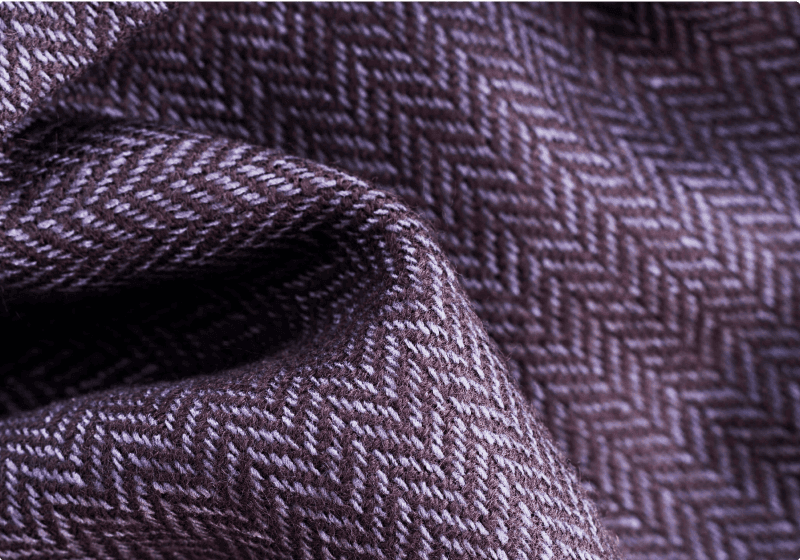
| Textile disinfectants | Hospital linens, bedsheets uniforms, and healthcare fabrics |
| Ready to use products | Sprays |
Difference between EN 17126 and other european disinfectant standards
| Standard | Main Purpose | Application Area |
| EN 17126 | Sporicidal testing | Medical area |
| EN 13704 | Sporicidal activity | Food/industrial/domestic |
| EN 1276 | Bactericidal activity | General disinfectants |
| EN 14476 | Virucidal activity | Medical disinfectants |
How manufacturers can prepare for EN 17126 compliance
- First step is to identify the target market and regional regulatory requirements where the disinfectant product is going to be launched
- Select an experienced microbiology testing laboratory familiar with EN 17126 requirements and healthcare disinfectant testing
- Make sure to share product information in detail with the laboratory, including formulation details, intended claims, usage instructions, and safety information
- To avoid chance of test failure, consider conducting preliminary or pre-screening studies before EN 17126 validation testing
Why EN 17126 is important for product credibility
EN 17126 is a critical European standard for ensuring the credibility of sporicidal disinfectants for use in healthcare and medical environments. Bacterial spores are one of the most resistant of microbes to eliminate , so it becomes very important to use specialized disinfectant claiming sporicidal action and ensure their efficacy before using in practical situations.
Compliance with EN 17126 helps to support regulatory submissions, strengthen product positioning and enable acceptance in competitive healthcare markets.
Need help with sporicidal testing of your products !
Microbe Investigations Switzerland (MIS) provides EN 17126 sporicidal disinfectant testing of healthcare and medical disinfectant products under controlled laboratory conditions. We offer efficacy validation and provide support for customized study designs as per your products needs.
Get in touch for a discussion of your product testing needs and compliance objectives.
FAQ
1. What is EN 17126 testing used for?
EN 17126 testing is used to evaluate the sporicidal activity of medical disinfectants against resistant bacterial spores.
2. Is EN 17126 applicable to healthcare disinfectants?
Yes. EN 17126 is specifically designed for disinfectants intended for medical and healthcare environments.
3. What log reduction is required in EN 17126?
To meet EN 17126 test method passing criteria, the disinfectant must demonstrate at least a ≥4 log reduction in viable bacterial spores under the specified test conditions.
4. Can disinfectant wipes be tested under EN 17126?
Yes. Disinfectant wipes claiming sporicidal efficacy, intended for healthcare and medical environments can be evaluated under EN 17126.
5. Why do some products fail sporicidal testing?
Some products fail sporicidal testing because bacterial spores are highly resistant to chemical disinfectants. Factors such as insufficient active ingredient concentration, inadequate contact time, poor formulation stability, ineffective neutralization, or reduced performance under dirty conditions can lead to reduced sporicidal efficacy and EN 17126 testing failure.