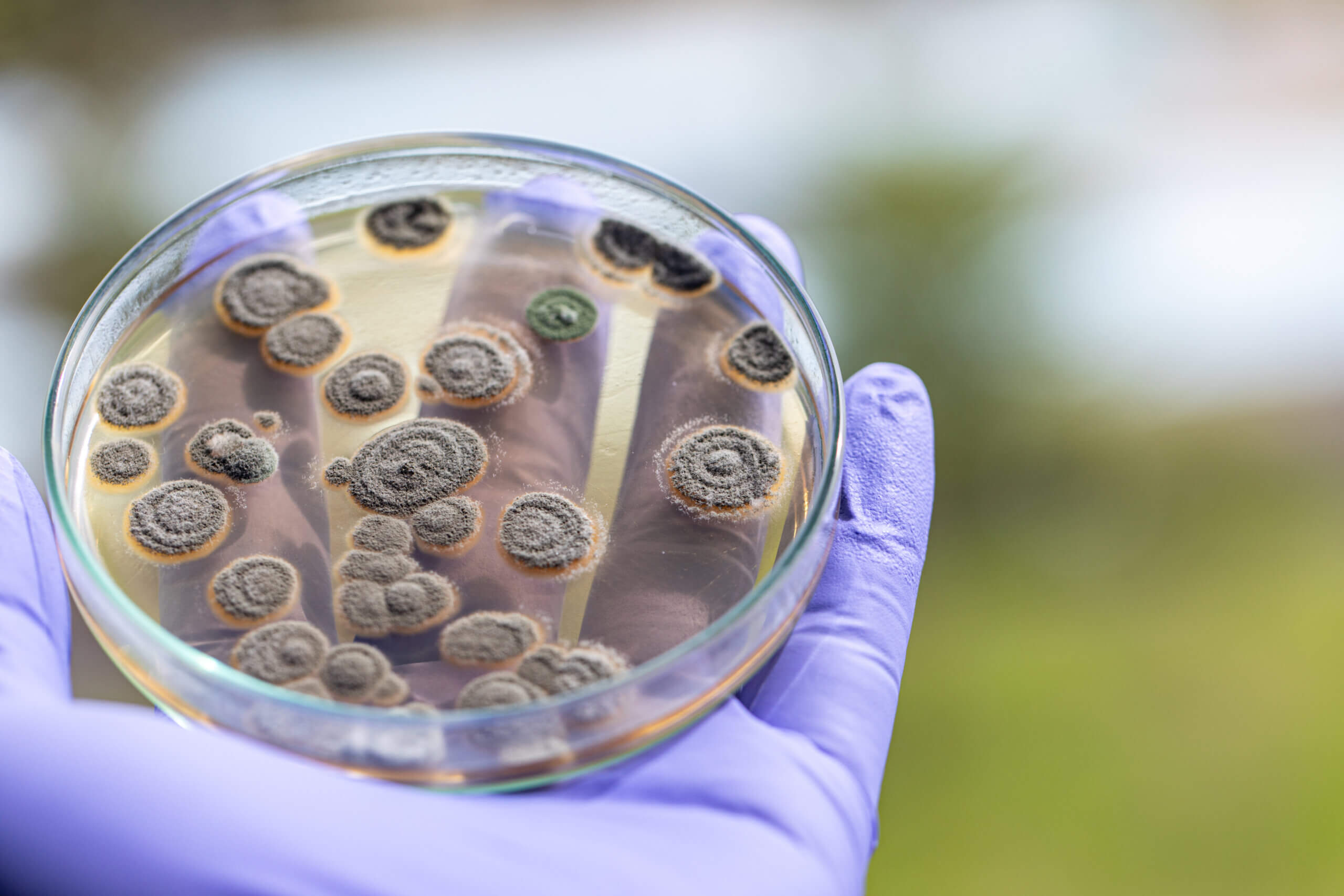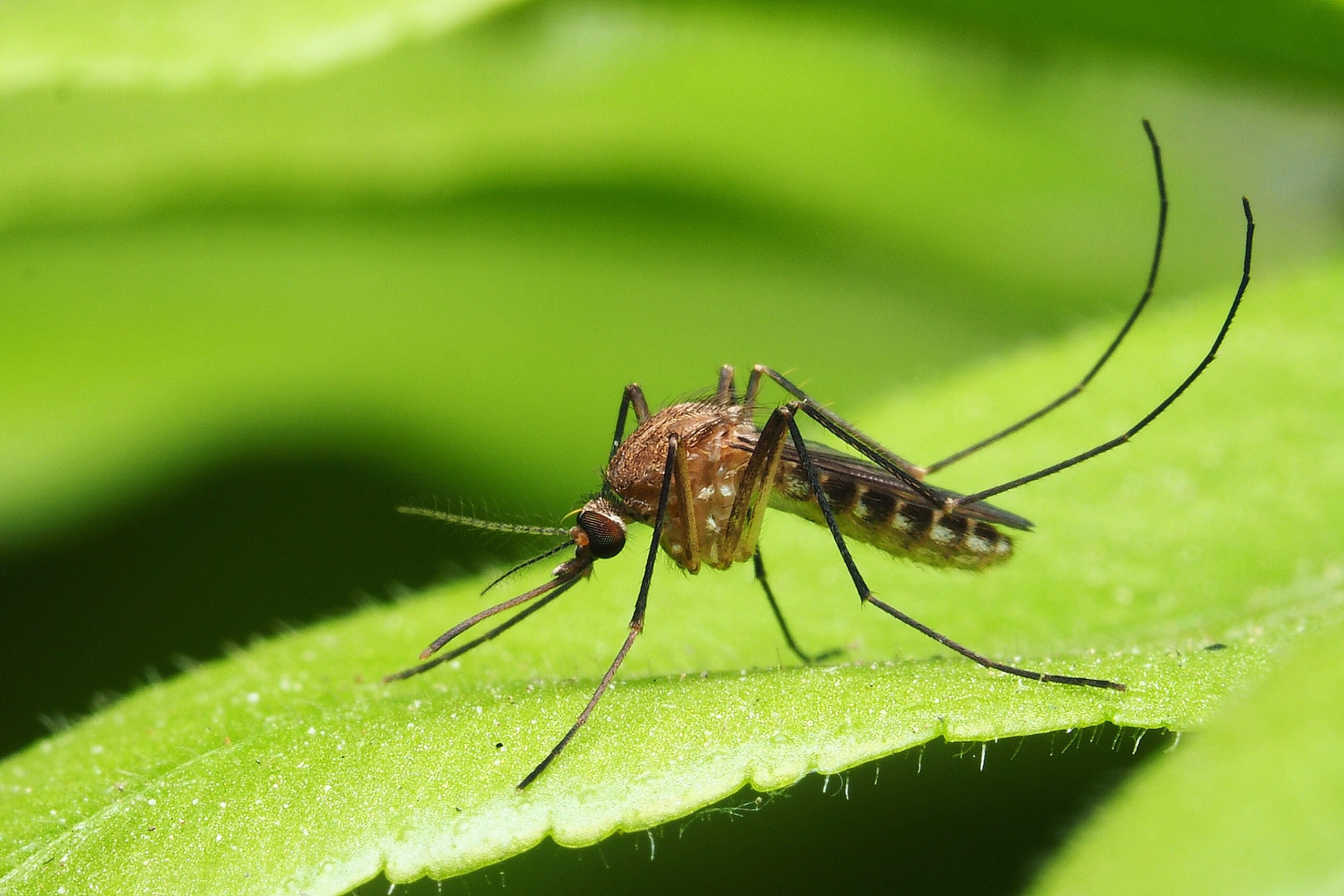

Climate change is not only impacting the global temperature, weather patterns and ecosystems. It also changes the dynamics of infectious diseases. Of these, fungal infections are proving to be an increasing public health issue and climate change is an essential factor in their spread and intensity.
As the climate warms and weather changes, the environmental conditions necessary for fungi to grow and propagate are also changing, leading to an increase in fungal infections that have serious consequences for human health. It is critical for public health readiness to know the connection between climate and fungal disease.
Climate as a Catalyst
Where Fungi Are Found
Some fungi previously inhabited only certain regions (referred to as endemic zones), but they’re now expanding to new locations. For instance, pathogens such as Histoplasma and Coccidioides are being reported farther north than previously because of increased temperatures. This expansion of geographic range indicates how climate and fungal disease are connected since warming climates make new habitats available to disease-causing fungi.
How Fungi Are Changing
When fungi evolve into new environments, they evolve their biology to enable them to survive. They produce more protective pigments such as melanin, or they grow biofilms (slimy coatings that shield them). Such evolutions can render fungi more difficult to kill and more lethal to humans.
Emerging and Re-emerging Fungal Diseases
New Threats on the Rise
Certain fungi are increasingly becoming public pathogens. Candida auris is one such threatening fungus that has emerged globally within a few years. It’s not easy to treat as it is resistant to many antifungal medications. The emergence of such pathogens is one of the most threatening signals reflecting the escalating menace of change in climate and fungal disease.
Global Examples
- USA & Canada: Coccidioides, the causative agent for Valley Fever, is extending into cooler climates such as Washington and may extend to Canada.
- Brazil: Sporothrix brasiliensis is spreading via animals such as cats.
- Asia: Fungal infections grew due to natural catastrophes such as the 2004 tsunami, where dirty water and wounds exposed individuals to contamination.
Impact on Human Health
Who’s at Risk?
Individuals whose immune systems are compromised, the elderly and survivors of natural disasters are particularly vulnerable. During a disaster, individuals can become exposed to fungi through contaminated water, soil, or crumbling structures.
Diagnosis and Treatment Problems
Fungi infections do not present themselves because they resemble bacterial infections. Most locations also do not have the equipment to test for fungi promptly. Delayed diagnosis increases the difficulty of treatment.
Drug Resistance
Certain fungi are developing resistance to routine antifungal drugs. This is also a result of excessive use of fungicides in agriculture and medicine, which renders infections more difficult to eliminate.
Impact on Agriculture and Nature
Fungi and Crops
Fungi such as Fusarium pose serious challenges for farmers by infecting cereals like wheat and maize. Global warming makes these fungi more virulent.
Effects on the Environment
When fungi kill trees or plants, it impacts whole ecosystems. For instance, dead forests hold less carbon, which can contribute to an increase in climate change.
Changes in Biodiversity
Fungi tolerant of pollution may overgrow natural habitats, forcing out indigenous flora. This drives nature out of balance.
Tracking Fungal Spread
Using Climate Models
Researchers apply weather information to forecast where fungi will occur. These models consider temperature, rain and the condition of the soil to forecast fungal outbreaks. Forecasting future risks of climate and fungal disease assists with public health interventions and resource planning.
Fungal Monitoring Systems
International networks are monitoring fungal infections in real time. This assists countries with preparing for and responding to outbreaks.
Connecting to Weather Forecasts
By correlating fungal case information with weather observations, scientists can more effectively understand and predict fungal threats—particularly following natural disasters.
Solutions and Adaptation
Public Health Planning
Preparation of health workers, enhancing diagnostics access and keeping antifungal medications available in disaster hotspots can be lifesaving.
Smarter Farming
Farmers may employ crop rotation, less use of chemicals and beneficial microbials to defend crops against fungi while limiting the danger of resistance. These approaches assist in lessening the agricultural responsibility of climate and fungal disease.
Research and Policy
Researchers and governments should collaborate to further finance, exchange information and develop guidelines that incorporate fungal diseases in climate.
The Role of Laboratory Testing
Surveillance and Resistance Detection
The laboratory testing plays a fundamental role in the detection and tracking of novel fungal pathogens. Antifungal drug susceptibility testing through MIC assays and the zone of inhibition test offers crucial data to clinicians to inform treatment decisions. Molecular diagnostics enable real-time detection of resistance genes, enhancing the accuracy of public health measures..
Validation of Antifungal Products
As fungi quickly evolve, efficacy testing of antifungal products is no longer an option. Validation laboratories such as Microbe Investigations Switzerland (MIS) empoly standardized methods such as EN 1650, ASTM G21, ISO 11930 and more to determine the fungicidal or yeasticidal effectiveness of disinfectants, coatings, textiles and cosmetics. Testing assures that products not only comply with regulations, but also resist actual microbial conditions.
Comprehensive Antifungal Testing Services available at MIS
MIS provides support to a large variety of industries like disinfectants, textiles, plastics and coatings/paints.
1. Textile Testing
- AATCC 30: Evaluates mildew and rot resistance of textile materials, ensuring durability and resistance to fungal growth in humid conditions.
2. Disinfectant & Sanitizer Testing
- EN 1650: Assesses fungicidal or yeasticidal activity of chemical disinfectants and antiseptics.
- EN 13624: Determines fungicidal activity in medical areas, ensuring disinfectants effectively eliminate fungal pathogens.
3. Plastic and Coating Testing
- ASTM G21: Tests resistance of synthetic polymeric materials to fungi.
- ASTM D3273: Evaluates resistance of interior coatings to mold growth under high humidity conditions.
- ISO 846: Assesses the action of microorganisms on plastics, determining material susceptibility to fungal degradation.
4. Paint Testing
- ASTM D5590: Determines resistance of paint films and related coatings to fungal defacement by accelerated four-week agar plate assay.
5. Cosmetic Product Testing
- ISO 11930: Tests cosmetic products’ antimicrobial protection and their freedom from fungal contamination.
- USP 51: Tests preservatives’ effectiveness in cosmetics against fungal growth.
6. Research & Development (R&D) Testing
- Minimum Inhibitory Concentration (MIC) Assay: Measures the minimum concentration of an antifungal agent that prevents visible growth of a microorganism.
- Zone of Inhibition Test: Tests the potency of antifungal agents through the measurement of the zone of inhibited microbial growth
Conclusion
Climate change and natural disasters are increasing fungal infections in frequency, severity and difficulty to treat. Fungi are evolving and appearing in new locations and new forms as they get accustomed to new environments. It is crucial that scientists, physicians and policymakers cooperate in observing and controlling these changes and take action before outbreaks turn into epidemics. An acknowledgment of the link between climate and fungal disease is a step in constructing global resilience.
Microbe Investigations Switzerland (MIS) is an expert in testing the ability of antifungal products/ agents to combat fungi. From disinfectants products to paints/coating, we follow international standards such as EN 1650, ASTM G21 and ISO 11930 to ensure products are effective and safe. With climate change expanding fungal threats, MIS specialists enable companies to get ahead of the threat with confident antifungal validation.
Reach out to MIS today to ensure your products are prepared for the microbial challenges of today.