Author name: Content Team

Efficacy of biocides against biofilms

Efficacy of biocides against biofilms

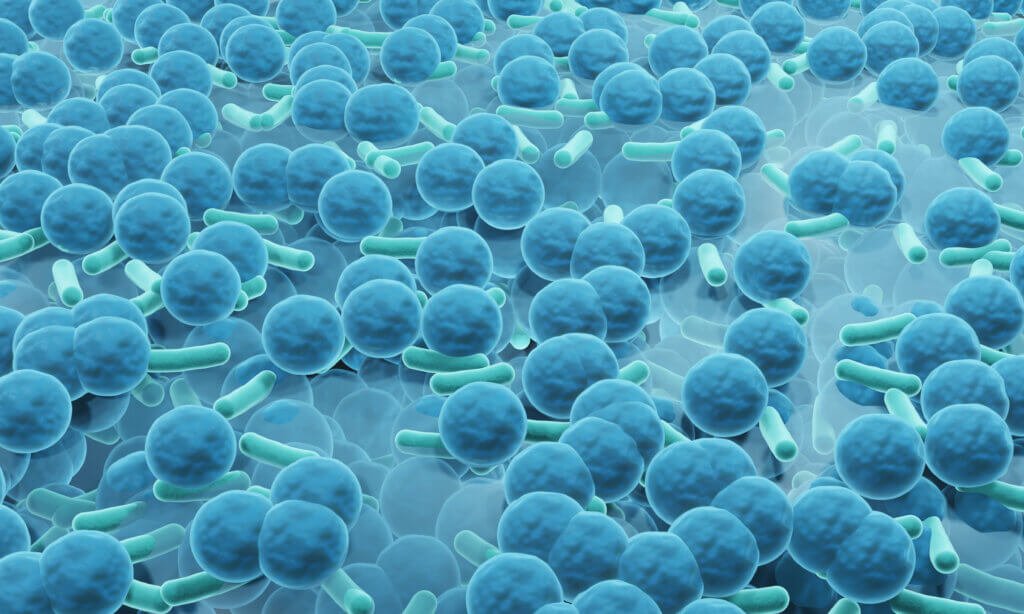
Biofilms pose a serious challenge in various industries affecting product quality as well as human health. The presence of these biofilms can complicate operations and lead to significant contamination risks. However, biocides with proven efficacy against biofilms have been developed that aid in reducing contamination risks. In this article, we will explore biocide efficacy against […]

Efficacy of biocides against biofilms Read More »
Challenges in Developing Long-Lasting Mosquito Repellents

Challenges in Developing Long-Lasting Mosquito Repellents

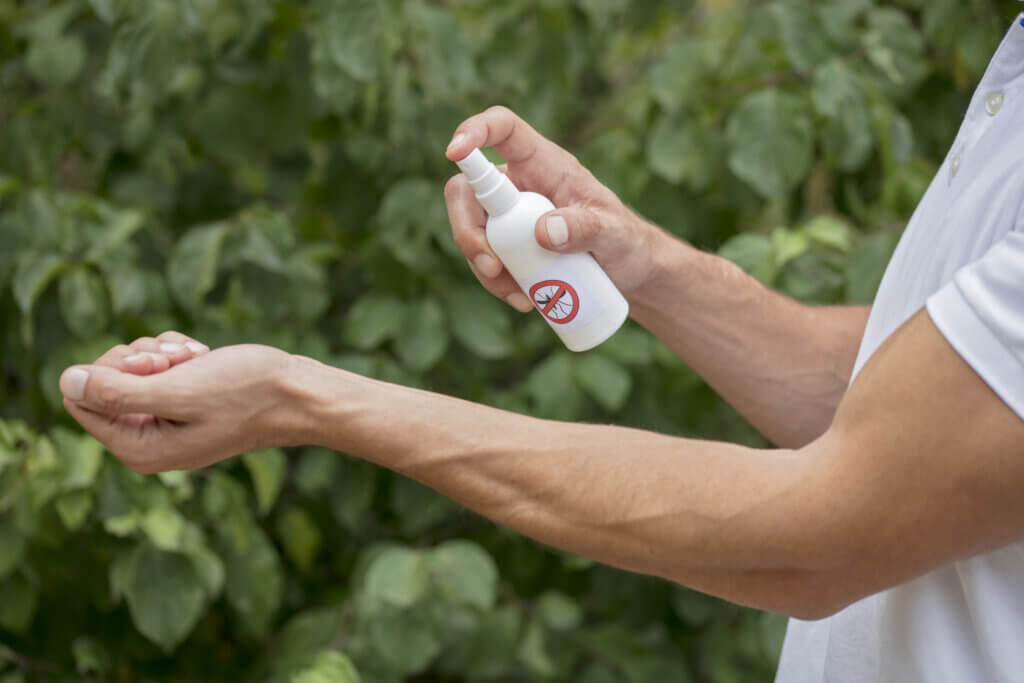
Developing a mosquito repellent that lasts longer than a few hours could be a far-from-simple task for researchers and product developers. It involves more than mixing the right chemicals. It would require extensive knowledge of mosquito biology and thorough safety testing. Addressing ongoing mosquito-repellent formulation challenges requires a multidisciplinary approach that incorporates innovation, rigorous safety

Challenges in Developing Long-Lasting Mosquito Repellents Read More »

EN 13623: Ensuring Efficacy of Disinfectants against Legionella

EN 13623: Ensuring Efficacy of Disinfectants against Legionella

Legionella, particularly Legionella pneumophila, is a bacterium that is known to proliferate in complex water systems, such as cooling towers, hot tubs and even domestic plumbing. Being exposed to this bacterium, usually by way of aerosolized water droplets, might result in serious illnesses like Legionnaires’ disease. Due to the potentially fatal consequences of Legionella infections,

EN 13623: Ensuring Efficacy of Disinfectants against Legionella Read More »

AOAC 955.17: A Guide to Assess Fungicidal Activity of a Disinfectant

AOAC 955.17: A Guide to Assess Fungicidal Activity of a Disinfectant

The growing demand for more effective disinfectants has necessitated the development of standardized testing protocols which are critical for the evaluation and validation of new and improved products for regulatory approval and market entry. Among them is AOAC 955.17 fungicidal disinfectant testing. This frequently used test assists the user in ascertaining if the disinfectant kills

AOAC 955.17: A Guide to Assess Fungicidal Activity of a Disinfectant Read More »

Pet Safety and Insect Repellent Toxicity: What Pet Owners Need to Know

Pet Safety and Insect Repellent Toxicity: What Pet Owners Need to Know

Insect repellents act as armor for humans in the fight against biting insects such as mosquitoes, fleas and ticks. These insects may acquire and transfer diseases which not only pose a risk to humans but also to their pets. However, while repellents offer protection against these risks, their usage around pets can be dangerous. Pet

Pet Safety and Insect Repellent Toxicity: What Pet Owners Need to Know Read More »

How to Test the Efficacy of Biocides

How to Test the Efficacy of Biocides

Biocides are chemical or biological agents which are applied to eliminate the presence of harmful organisms. They can range from bacteria and viruses to fungi and pests. These products are particularly important for public health, agricultural, and industrial use for reducing or eliminating harmful pathogens. However, to ensure their effectiveness, rigorous efficacy testing should be

How to Test the Efficacy of Biocides Read More »

ISO 21702: Standard Test Method to Assess Virucidal Activity of Non-Porous Materials

ISO 21702 Antiviral Testing: How Antiviral performance of Plastics and Non-Porous Surfaces is measured

Key summary pointers ISO 21702 Is an international testing method for measuring antiviral activity on plastics and other non‑porous surfaces that have been treated with antiviral agents. ISO 21702 virucidal efficacy testing method helps in evaluating how effectively a treated surface reduces the infectivity of viruses compared with an untreated control surface. Typical applications include

ISO 21702 Antiviral Testing: How Antiviral performance of Plastics and Non-Porous Surfaces is measured Read More »

Hypervirulent Klebsiella pneumoniae in Community-Acquired Infections

Hypervirulent Klebsiella pneumoniae in Community-Acquired Infections

Klebsiella pneumoniae is a well-known opportunistic pathogen often associated with healthcare-associated infections. However, in recent years, a particularly concerning strain known as hypervirulent Klebsiella pneumoniae (hvKP) has emerged, capable of causing severe infections in healthy individuals outside of hospital settings. This phenomenon has led to a surge in community-acquired infections, raising alarms in the medical

Hypervirulent Klebsiella pneumoniae in Community-Acquired Infections Read More »

ASTM Standards for Antifungal Product Testing

Antifungal products are widely used in various industrial applications including healthcare, construction and food processing. These products help maintain high standards of hygiene and product durability and also contribute to protecting human health. To ensure that these products work as intended, they must be rigorously tested for their effectiveness. Following a standard procedure for testing

ASTM Standards for Antifungal Product Testing Read More »