Author name: Content Team

Comparative Analysis of USP 60, USP 61, and USP 62 Testing Standards

Comparative Analysis of USP 60, USP 61, and USP 62 Testing Standards

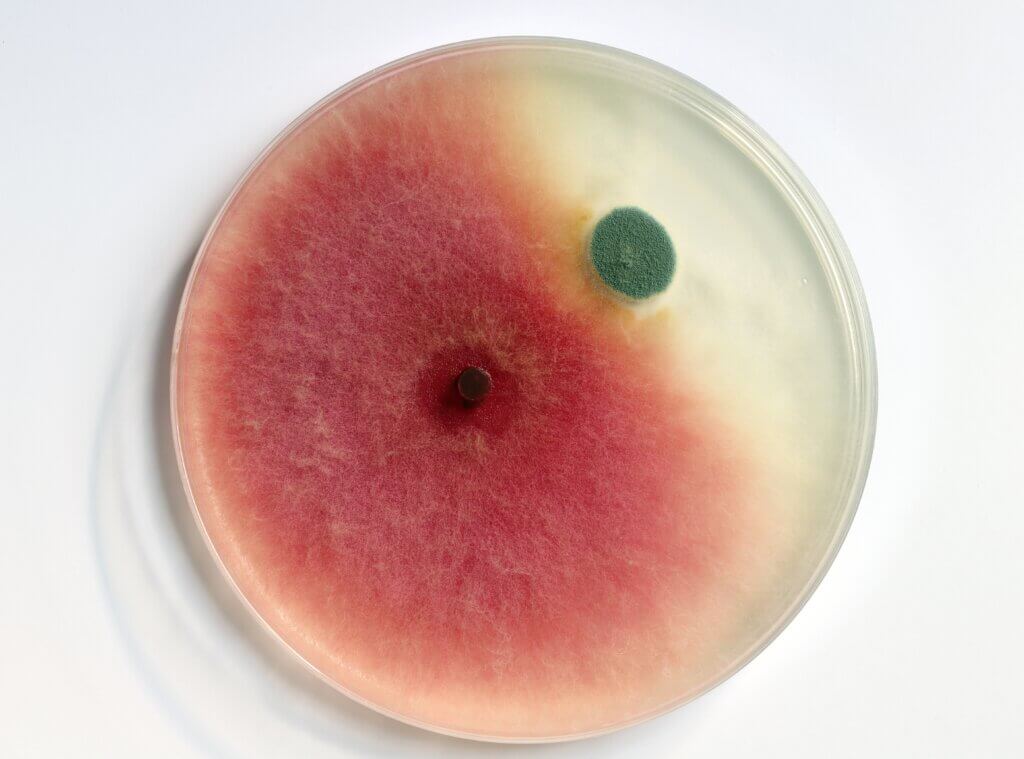
USP 60, USP 61, and USP 62 – Testing standards comparison Comparative analysis among the standards USP 60, USP 61 and USP 62 is indispensable, with each test targeting different microorganisms and serving different purposes in ensuring the safety of products. Understanding their differences through a testing standards comparison helps manufacturers identify which tests are […]

Comparative Analysis of USP 60, USP 61, and USP 62 Testing Standards Read More »
Preservative Efficacy Testing: USP 51 Vs. PCPC

Preservative Efficacy Testing: USP 51 Vs. PCPC

In industries like pharmaceuticals and personal care product manufacturing, preservative efficacy testing is an important test for ensuring the safety and quality of the product. Preservatives are added to products to prevent the growth of microorganisms that can cause severe infections if contaminated products are used. Two major standards for testing the effectiveness of preservatives

Preservative Efficacy Testing: USP 51 Vs. PCPC Read More »

challenge testing for cosmetics

What is Challenge Testing for Cosmetics?

In the cosmetics industry, safety and effectiveness are important aspects to be considered during the development of products. Consumers expect high-quality formulations and assurance that the products they apply to their skin are free from harmful microorganisms. This is where challenge testing for cosmetics comes into play.  Challenge testing, also known as preservative efficacy testing, 

What is Challenge Testing for Cosmetics? Read More »

USP 62 and Its Relevance in the Cosmetic Industry

USP 62 and Its Relevance in the Cosmetic Industry

USP 62 was originally aimed at pharmaceuticals, but it has recently become more important in the cosmetics industry, where ensuring consumer safety and product quality is a top priority. In the manufacture of non-sterile products, assurance of the absence of harmful microorganisms is paramount. USP Chapter 62 has given elaborate guidelines for the microbiological examination

USP 62 and Its Relevance in the Cosmetic Industry Read More »

Comprehensive Review on Monkeypox Viral Disease

Comprehensive Review on Monkeypox Viral Disease

Monkeypox (Mpox) is a viral zoonotic disease that has gained much attention lately due to increased spreading and severity beyond its endemic regions in Central and West Africa. The possibility of human-to-human transmission of the Monkeypox viral disease is, therefore, considered a very important public health concern. Since the discovery of the virus in 1970,

Comprehensive Review on Monkeypox Viral Disease Read More »

USP 71 Compliance in the Development of Sterile Cosmetics

USP 71 Compliance in the Development of Sterile Cosmetics

Imagine applying a cream to your skin, only to discover it harbors harmful microorganisms. The consequences could range from minor irritations to severe infections. This is why sterility isn’t just a technicality, it is a critical aspect of product safety. For companies committed to delivering the safest, most reliable products, adhering to stringent standards like

USP 71 Compliance in the Development of Sterile Cosmetics Read More »

How USP 62 Contributes to the Development of Safe Consumer Products

One of the major priorities in product manufacturing companies is ensuring product safety. From cosmetics to pharmaceuticals, the need for stringent safety protocols has never been more essential. Among the several important standards that fulfill this critical area of concern, USP 62 provides comprehensive guidelines on the microbiological examination of nonsterile products. This standard is

How USP 62 Contributes to the Development of Safe Consumer Products Read More »

The Role of USP 62 in Detecting Contaminants in Non-Sterile Pharmaceutical Products

The Role of USP 62 in Detecting Contaminants in Nonsterile Pharmaceutical Products

Ensuring the safety and efficacy of products within the pharmaceutical industry is very important. The health risks associated with nonsterile products contaminated with harmful microorganisms may be very serious, making microbiological testing a very crucial aspect of quality control. The United States Pharmacopeia sets standards to assure the quality, purity, strength, and consistency of medicines.

The Role of USP 62 in Detecting Contaminants in Nonsterile Pharmaceutical Products Read More »

Medical glove testing

Comprehensive Guide to Medical Glove Testing

Medical gloves represent an essential component of personal protective equipment (PPE) in healthcare settings and play a crucial role in providing a barrier against the spread of infection and a safe environment for both healthcare providers and patients. Because of this high-stakes role, medical gloves must be manufactured with strict safety and quality specifications. This

Comprehensive Guide to Medical Glove Testing Read More »