Author name: Content Team

USP 85 compliance

USP 85 Compliance: What Manufacturers Need to Know

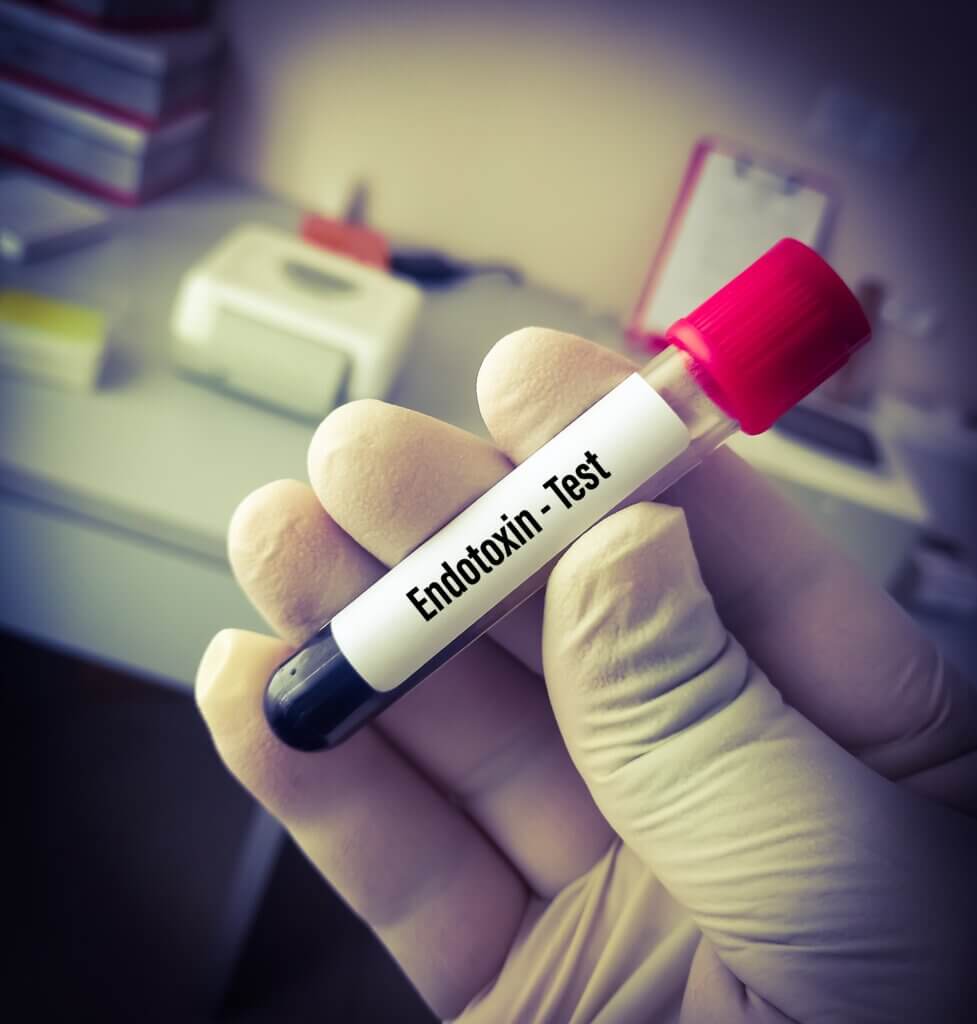
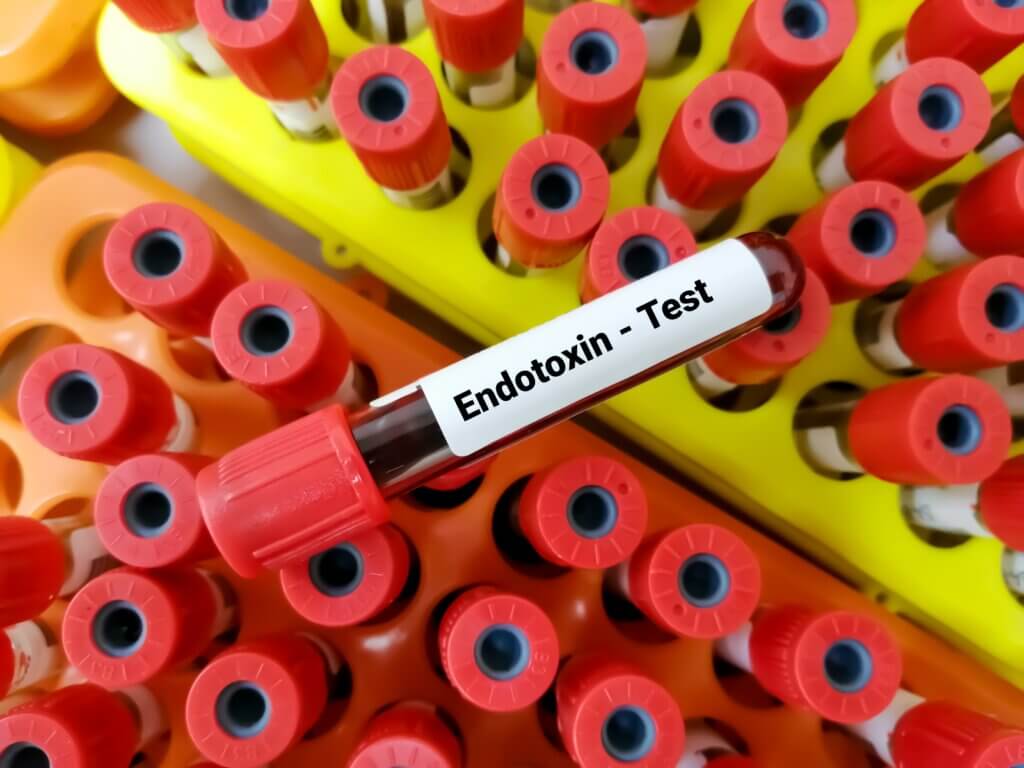
In the pharmaceutical and medical industries, guaranteeing product safety is of utmost importance, especially for products that are usually injected or come in contact with the body. Controlling bacterial endotoxins is one significant aspect that ensures this safety since they are toxic substances produced by Gram-negative bacteria and can lead to serious complications in patients, […]

USP 85 Compliance: What Manufacturers Need to Know Read More »
virucidal efficacy testing against Mpox

Virucidal Efficacy Testing of Disinfectants Against Mpox

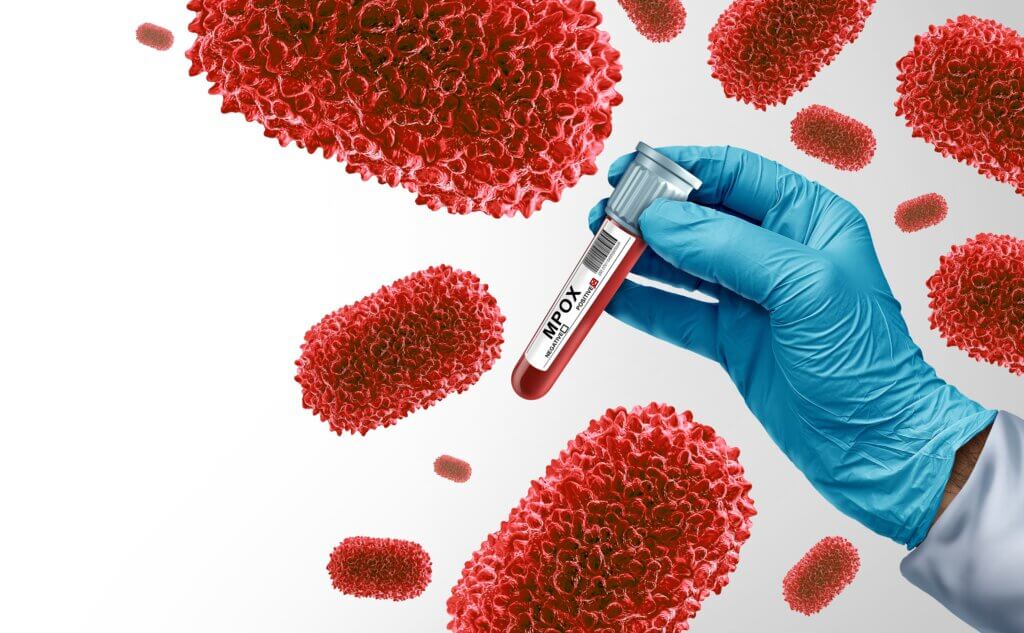
The re-emergence of monkeypox, a viral zoonotic disease, into the forefront of public health has highlighted the importance of effective hygiene practices, particularly disinfection. Disinfection is essential in virus control, especially in healthcare settings, public facilities, and households. Disinfectants marketed as having virucidal efficacy against Mpox must undergo stringent tests to demonstrate their effectiveness in

Virucidal Efficacy Testing of Disinfectants Against Mpox Read More »

antiviral efficacy against H5N2

Method for Antiviral Efficacy Testing Against H5N2

The global threat from viral infections has developed the urge for strict testing and validation of any antiviral product. Among the different influenza viruses, H5N2 which is a strain of avian influenza virus, raises serious concerns because of its ability to infect birds and, occasionally, humans. With this threat, product manufacturers, particularly those involved in

Method for Antiviral Efficacy Testing Against H5N2 Read More »

ISO 846: A Comprehensive Guide for Polymer Manufacturers

ISO 846: A Comprehensive Guide for Polymer Manufacturers

Modern industry is based on polymers as indispensable materials. They form an infrastructure that sustains megacities and advanced technologies that fuel the digital era. The plastic materials may seem durable but may not be safe from microbial attack. ISO 846 is an antimicrobial plastic testing standard that specifies the requirements for testing the resistance of

ISO 846: A Comprehensive Guide for Polymer Manufacturers Read More »

Bacterial endotoxin test

Limulus Amebocyte Lysate (LAL) Test in USP <85>: Ensuring Safety in Endotoxin Detection

In the pharmaceutical and medical devices industry, one of the most harmful kinds of contaminants are bacterial endotoxins, which could cause serious health problems like fever, shock, and organ failure. The limulus amebocyte lysate Test, under the USP <85> Bacterial Endotoxins Test (BET), provides the basis for detecting such contaminants in these products. The article

Limulus Amebocyte Lysate (LAL) Test in USP <85>: Ensuring Safety in Endotoxin Detection Read More »

Virucidal Efficacy Testing Against H5N1: A Step-by-Step Guide for Product Manufactures

Virucidal Efficacy Testing Against H5N1: A Step-by-Step Guide for Product Manufactures

The health threats posed by highly pathogenic viruses such as H5N1, commonly known as avian influenza, emphasize the need to manufacture effective products that kill these viruses. H5N1 virucidal efficacy testing of the products is essential for companies producing disinfectants and antivirals claiming to have efficacy against the viral strain. Ensuring the effectiveness of disinfection

Virucidal Efficacy Testing Against H5N1: A Step-by-Step Guide for Product Manufactures Read More »

Factors Influencing Cosmetic Shelf Life and The Role of USP 51 Testing

Factors Influencing Cosmetic Shelf Life and The Role of USP 51 Testing

For cosmetic products, it is of utmost importance to inhibit microbial contamination. To achieve sterility of the products, preservatives are added to inhibit microbial growth. How do we know that the preservatives are actually protecting the products from spoiling? How can manufacturers ensure that their products remain free from harmful microbes throughout their shelf life?

Factors Influencing Cosmetic Shelf Life and The Role of USP 51 Testing Read More »

How USP 61 Supports Regulatory Compliance for Pharmaceuticals

How USP 61 Supports Regulatory Compliance for Pharmaceuticals

The microbiological quality of the pharmaceutical product is one of the important aspects to be considered in a pharmaceutical company. Non-sterile products may be spoiled by microorganisms, which decreases their efficacy and harms patients due to contamination. The USP among other regulatory bodies sets certain standards or guidelines to support pharmaceutical companies in assuring the

How USP 61 Supports Regulatory Compliance for Pharmaceuticals Read More »

ISO and ASTM standards

Understanding the Differences Between ISO and ASTM Standards

ISO and ASTM Standards   Standardization is important as it assures quality, safety, and compliance in today’s regulated environments. The two dominant organizations that establish and publish standards to a worldwide community are the International Organization for Standardization (ISO) & The American Society for Testing and Materials (ASTM). These agencies share the commonality of standardization

Understanding the Differences Between ISO and ASTM Standards Read More »

sterility testing of parenteral products

How Sterility Testing of Parenteral Products is Performed

Sterility testing is the most critical process in the production of parenteral products; essentially, it covers the assurance that the product is free from viable microorganisms and hence safe for administration to patients. These include parenteral drugs, intravenous solutions, and other sterile pharmaceutical formulations. Strict standards for the sterility of such products will protect against

How Sterility Testing of Parenteral Products is Performed Read More »