Author name: Content Team

EN 1040 in veterinary medicine

CSN EN 1040: A Critical Tool in Veterinary Medicine and Animal Care

Hygiene and infection control to maintain the high safety standards form the important core of veterinary medicine and animal care industry. The standard CSN EN 1040 gives the guidelines to test chemical disinfectants and antiseptics for their bactericidal activity using a quantitative suspension test. The general objective of this article is to introduce the methodology […]

CSN EN 1040: A Critical Tool in Veterinary Medicine and Animal Care Read More »

bioinformatics in MIC and MBC testing

Integrating Bioinformatics with MIC and MBC Testing for Enhanced Drug Development

The integration of bioinformatics with traditional microbiological testing methods, namely Minimum Inhibitory Concentration (MIC) and Minimum Bactericidal Concentration (MBC) tests, creates a very powerful synergy in modern drug development. In equal measure, this integration combines the power of computational biology with empirical information to streamline the process of drug discovery, enhance understanding of mechanisms of

Integrating Bioinformatics with MIC and MBC Testing for Enhanced Drug Development Read More »

Antibacterial testing, choosing the right lab

How to Select the Right Lab for Your Antibacterial Testing Needs

Selecting the right laboratory for your antibacterial testing requirements may be one of the most crucial steps for having practical and safe products. Various laboratories across the nation offer such services. Thus it’s important to make the right decision while choosing the testing lab. This guide will help you understand the key factors to consider

How to Select the Right Lab for Your Antibacterial Testing Needs Read More »

Antibacterial resistance

Emerging Trends in Antibacterial Drug Resistance and Testing

Antimicrobial drug resistance has developed into a rising issue leading to a negative impact on global public health. The evolving bacteria have developed new mechanisms to withstand antibiotic effects, thus complicating treatment procedures in infections. This article discusses the challenge of antibacterial drug resistance and emerging trends in testing and combating the problem. Understanding Antibacterial

Emerging Trends in Antibacterial Drug Resistance and Testing Read More »

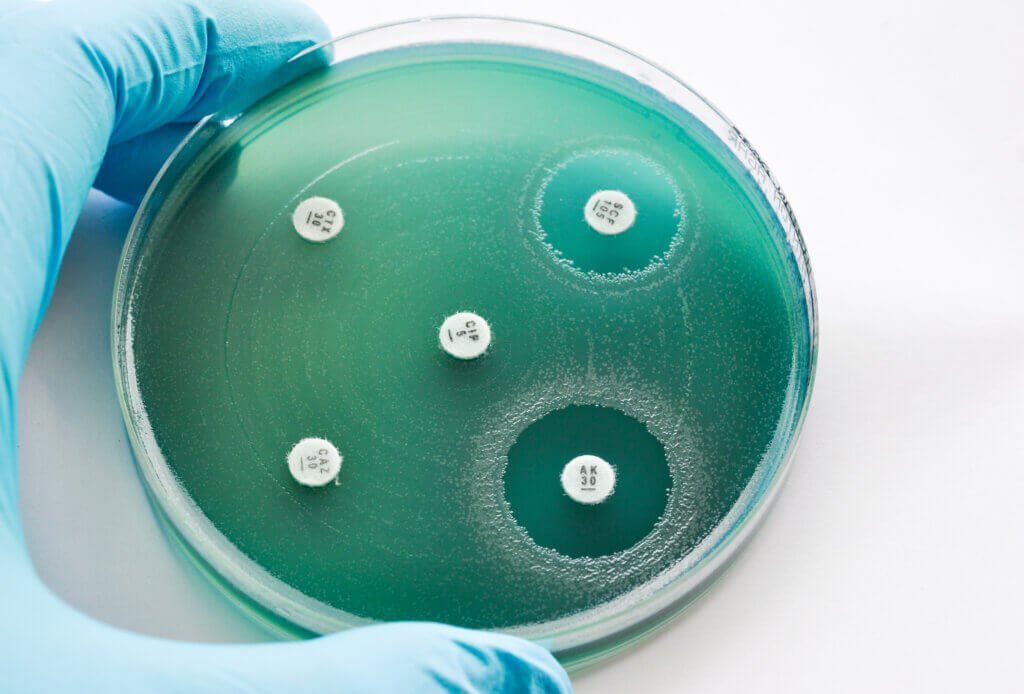
ZOI and MIC testing

The Role of Genetic Factors in Zone of Inhibition (ZOI) and Minimum Inhibitory Concentration (MIC) Test Results

Zone of Inhibition (ZOI) and Minimum Inhibitory Concentration (MIC) tests are important microbiological techniques used in determining  the efficacy  of certain substances developed to combat harmful microorganisms. Although these tests provide important data on the antimicrobial activity of substances, the impact of microbial genetic factors on the test response is increasingly interesting and important. Knowledge

The Role of Genetic Factors in Zone of Inhibition (ZOI) and Minimum Inhibitory Concentration (MIC) Test Results Read More »

Navigating Regulatory Requirements for Antibacterial Efficacy Testing

Navigating Regulatory Requirements for Antibacterial Efficacy Testing

Antibacterial efficacy testing is an essential process that makes sure products claiming to kill or inhibit bacteria are effective and safe for use. Manufacturers and researchers in the field must understand the regulatory requirements for these tests. This article will guide you through the key regulatory requirements, the types of tests involved, and the importance

Navigating Regulatory Requirements for Antibacterial Efficacy Testing Read More »

Cost effective approach for drug sensitivity testing

Cost-Effective Approaches to Drug Sensitivity Testing

Drug sensitivity testing is important for determining the effectiveness of antimicrobial agents targeted at specific pathogens. This process guides the treatment decisions thus avoiding the misuse of antibiotics and helping to fight against antimicrobial resistance. However, the traditional methods of drug sensitivity testing can be time-consuming. In this article, we shall explore the various cost-effective

Cost-Effective Approaches to Drug Sensitivity Testing Read More »

MIC and MBC testing tips with plate showing zone of inhibition for these tests

Ensuring Reproducibility in MIC and MBC Testing: Tips and Techniques

  The Minimum Inhibitory Concentration (MIC) and the Minimum Bactericidal Concentration (MBC) tests are two paramount tests that determine bacterial drug efficacy. In fact, these are critical measurements in defining the efficacy of an antimicrobial agent both in a clinical treatment regimen setting and during drug discovery. However, many factors come into play to have

Ensuring Reproducibility in MIC and MBC Testing: Tips and Techniques Read More »

ZOI testing for pathogens

The Importance of Environmental Factors in ZOI Testing Results

Zone of Inhibition (ZOI) testing is a fundamental method used in microbiology to assess the effectiveness of antimicrobial agents. This test measures the area around a treated sample where bacterial growth is inhibited, providing a clear indication of the antimicrobial properties of the substance being tested. The larger the zone, the more effective the antimicrobial

The Importance of Environmental Factors in ZOI Testing Results Read More »

MBC vs. MIC test showing zone of inhibition, information required for drug developers

MBC vs. MIC: What Every Drug Developer Should Know

Understanding the differences between Minimum Bactericidal Concentration (MBC) and Minimum Inhibitory Concentration (MIC) is very important for anyone involved in the development of antimicrobial drugs. This article defines the difference between MBC vs. MIC, practical applications, and importance of these parameters in the development of new pharmaceutical substances. Understanding MIC Minimum Inhibitory Concentration (MIC) is

MBC vs. MIC: What Every Drug Developer Should Know Read More »