Quick Insights
- Tick repellent test method is performed to determine whether a product can effectively prevent tick contact and attachment.
- Scope of the products for testing include treated lotions, sprays, insecticides treated materials, textiles, etc
- Results are expressed as percentage repellency, which measures the reduction in tick activity on a treated surface compared with a control.
- Different methods such as vertical climb assays, choice tests, mouse feed tests are performed based on product type and intended use.
- Test data is used to provide the proof of product performance for regulatory submissions and market launch
Summary
Tick repellent product efficacy can be assessed through laboratory and field studies that ensure products are strong enough to prevent ticks from approaching, climbing, attaching, or biting. Common test methods include vertical climb assays, choice tests, mouse feed tests etc. These tick repellent test methods help manufacturers validate product claims, improve formulations, and demonstrate effectiveness against target tick species.
What is Tick Repellency Testing?
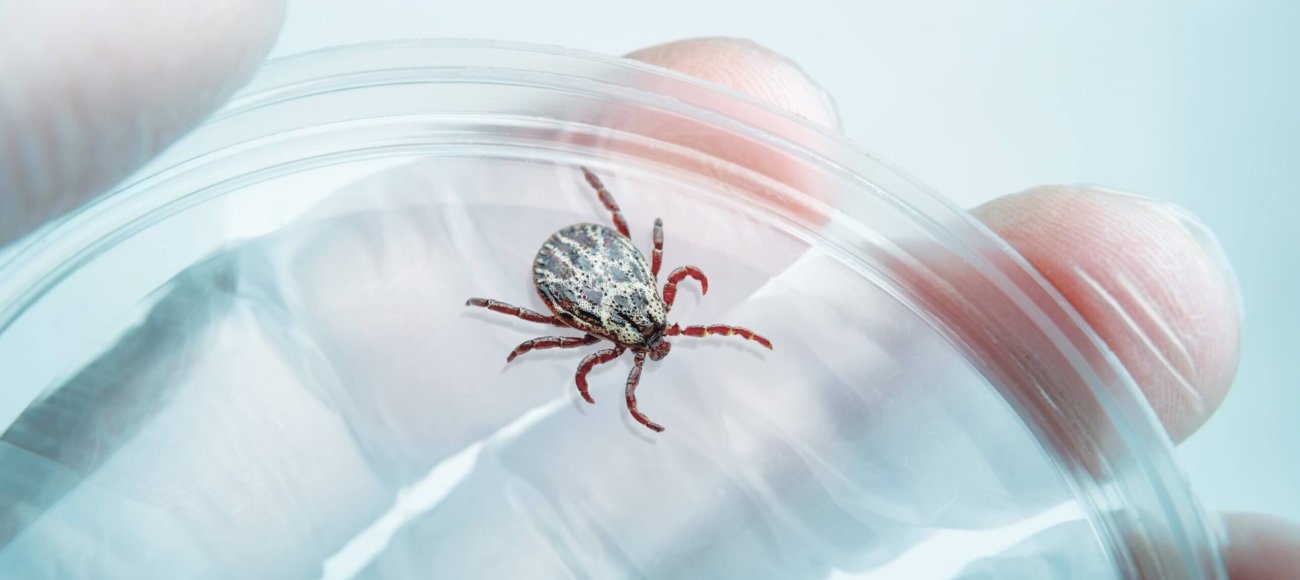
Tick repellency testing assesses a tick repellent product’s ability to prevent ticks from approaching, attaching to, or remaining on a treated surface, textiles, skin or animal.
Testing ensures that repellent can effectively reduce tick contact and potential exposure to tick-borne pathogens.
Tick repellency testing is commonly performed on –
- personal care products,
- animal anti-tick products like spot-on treatments, collars, & sprays
- insecticide-treated materials,
- protective clothing, and outdoor textiles.
Why tick repellents require efficacy validation ?
Ticks are major reservoirs and vectors for many infectious pathogens including viruses, protozoa and bacteria impacting both animals and humans. Common diseases transmitted via tick bites include lyme disease, Rocky Mountain spotted fever, anaplasmosis, and babesiosis Considering the risk of tick-borne diseases grows, there is a growing demand to develop products that minimize the risk of ticks.
However, without standardized testing it is difficult to ensure that consumers are using the right products for tick bite prevention and protection is up to the mark. Thereby, tick repellent test method is used to provide scientific evidence that a repellent performs as per their claims.
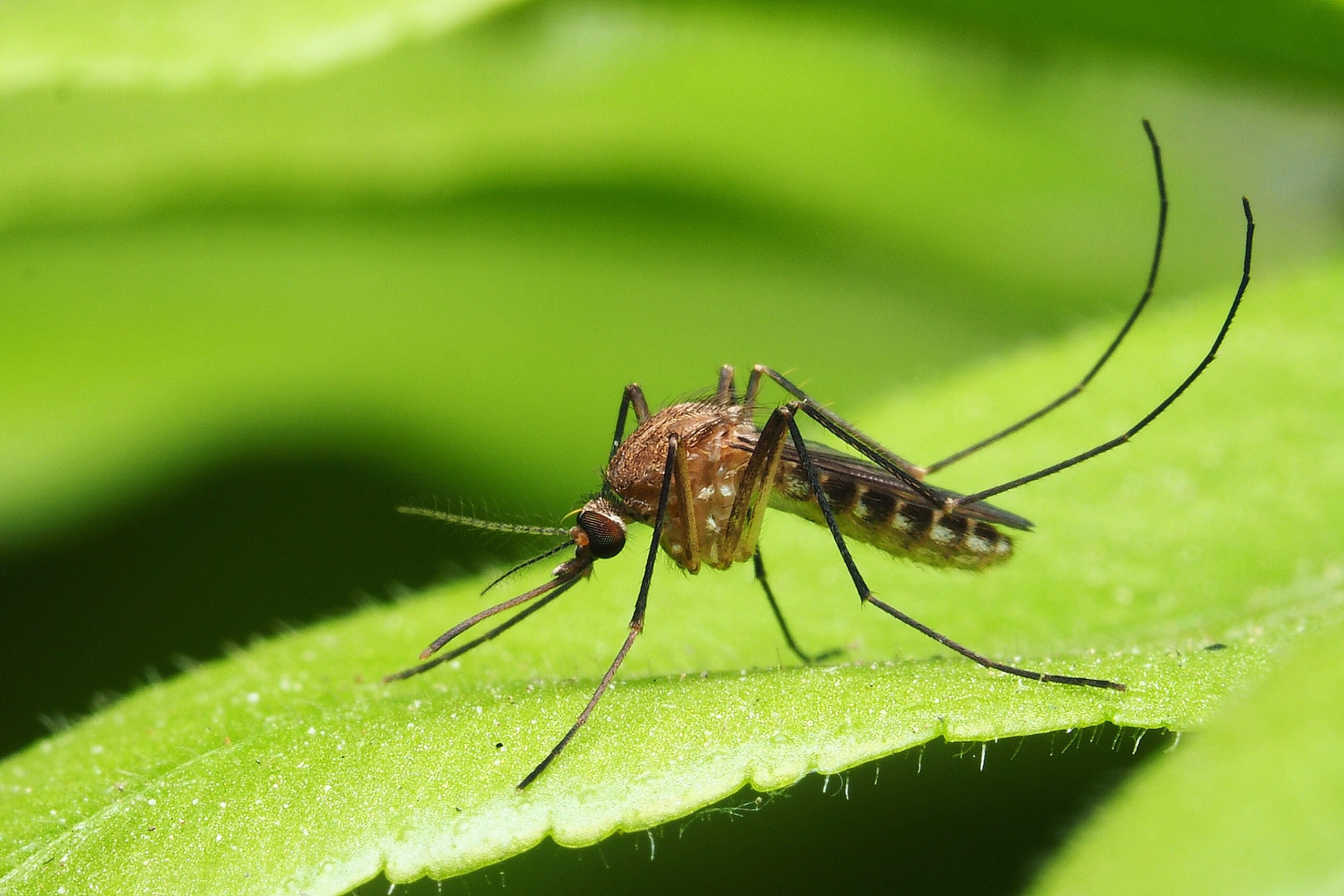
Tick Repellency Testing vs. Mosquito Repellency Testing: What Are the Key Differences?
| Parameter | Tick Repellency Testing | Mosquito Repellency Testing |
| Test insects | Ticks | Mosquitoes |
| Host seeking behavior | Questing and crawling toward hosts | Flying toward hosts using odor, heat, and CO₂ cues |
| Objective | Prevention of attachment and crawling | Prevention of landing, biting, or feeding |
For more details read – Tick vs Mosquito Repellent Testing: Key Differences
Common methods used to measure tick repellent efficacy
1. Animal Tick Repellent Product Testing
Test Principle – This tick repellent test method evaluates how effectively a product prevents ticks from moving toward and attaching to the animal.
Products tested include –
- Sprays
- Powders
- Shampoos
- Spot-on treatments
Key evaluation parameters –
- Tick crossing behavior
- Tick movement through fur
- Tick avoidance response
- Tick repellency percentage over time
Product exposure duration
- Powders, sprays, spot-ons: Days 0, 5, 10, 15, and 20
- Shampoos: Days 0, 1, and 2
2. Human Tick Repellent Product Testing
Products tested include –
- Skin sprays
- Lotions
- Roll-ons
- Wipes
- Shampoos
Key evaluation parameters:
- Tick crossing into treated skin area
- Tick repellency percentage
- Duration of protection
- Adverse skin reactions
3. Mouse Feed Test for Insecticide-Treated Materials
Principle:
In this tick repellent test method, a mouse is used as a heat source and attractant and placed beneath treated and untreated fabrics. Tick repellency is compared between the two materials.
Products tested include –
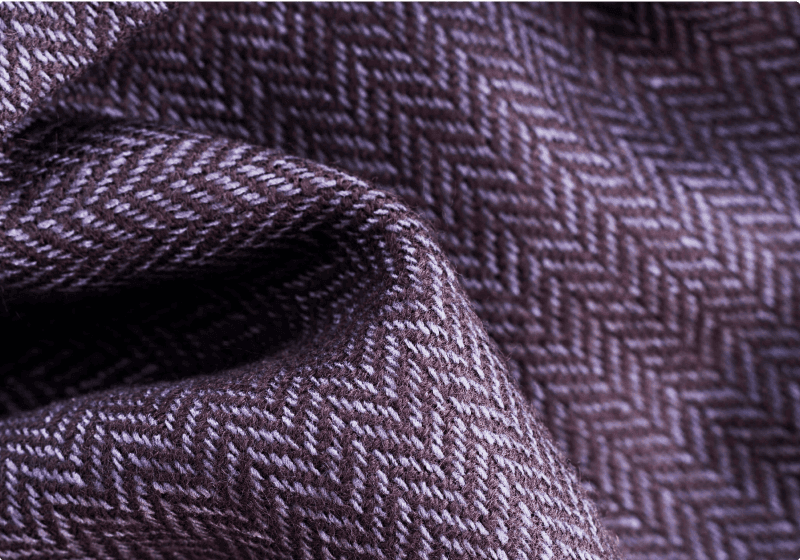
- Treated fabrics
- Repellent textiles
- Insecticide-treated materials
Key evaluation parameters:
- Number of ticks attracted toward the host
- Number of ticks repelled from treated material
- Repellency over defined observation intervals
4. Tick Attachment Test for Treated Textiles
Principle:
This tick repellent test method is performed to understand the ability of anti – tick fabrics to prevent ticks from attaching to fabric when vertically placed.
Applicable products:
- Tick-repellent fabrics
- Protective clothing
- Outdoor textiles
- Veterinary textiles
Key evaluation parameters:
- Tick attachment rate
- Tick retention on fabric
- Reduction in attached ticks versus control
Key Performance Metrics Used in Tick Repellent Testing
Percentage Repellency – Percentage repellency is used to assess tick repellent performance. It measures the reduction in tick activity on a treated surface vs untreated control.
Why Tick Species Selection Matters
Selecting the right tick species is a crucial step while testing product efficacy as it helps to ensure the results accurately reflect how the product is expected to perform in actual usage scenarios.
At MIS, we use Ixodes ricinus and Rhipicephalus sanguineus for testing product efficacy.
Laboratory vs Field testing for tick repellent products
| Parameter | Laboratory testing | Field testing |
| Test conditions | Controlled laboratory conditions | Outdoor exposure conditions |
| Variable controls | Temperature, humidity, and tick exposure | Environmental factors vary naturally |
| Data consistency | Highly standardized | Variable |
International Considerations for Tick Repellent Testing
Test methodologies vary across regions, product categories and target market needs, however test principles s focus on several core principles including –
- Reproducibility
- Tick species relevance
- Realistic exposure conditions
- Claim substantiation
You can also consider combining laboratory and field studies. This is considered stronger evidence of product performance and can further help manufacturers to create a more robust dossier for both regulatory submissions and marketing claims.
When do manufacturers typically require tick repellency testing ?
Tick repellency testing is typically conducted during product development, regulatory preparation, or claim substantiation. Manufacturers use efficacy data to verify product performance, support commercialization efforts, and demonstrate that repellency claims are backed by scientific evidence.
Common situations where tick repellency testing is required include:
Development of new tick repellent products
When launching a new formulation, manufacturers need efficacy data to determine whether the product effectively prevents tick contact and attachment under controlled conditions.
Formulation optimization
During research and development, multiple formulations may be evaluated to identify the most effective combination of active ingredients, concentrations, and delivery systems.
Support for marketing claims
Manufacturers often require testing to substantiate claims such as:
- Repels ticks
- Provides long-lasting tick protection
- Tick-resistant clothing
- Reduces tick attachment
- Effective against specific tick species
Regulatory & registration requirements
Depending on the target market and product category, efficacy data may be required to support product registration, label claims, or regulatory submissions.
How MIS can help !
At Microbe Investigation Switzerland (MIS), we support manufacturers with comprehensive tick repellent efficacy testing for human use anti tick products, veterinary products, treated textiles, and insecticide-treated materials.
Whether you are developing a new formulation or validating an existing product, our team can help you demonstrate proven protection against target tick species through customized testing programs tailored to your product and market requirements.
To get a quote on tick repellent product testing, contact our experts now.
Also check
- Tunnel Test vs Arm-in-Cage Test
- Understanding the WHO Cone Test: Evaluating Insecticide-Treated Surfaces and Materials
- Arm-in-Cage vs Field Testing: Which Mosquito Repellent Test Is Better?
FAQs
1. How is tick repellency percentage calculated?
Repellency is typically calculated by comparing tick activity on treated surfaces against untreated controls and expressing the reduction as a percentage.
2. Which tick species are commonly used in repellent testing?
At MIS, we use Ixodes ricinus, and Rhipicephalus sanguineus.
3. Can tick repellents be tested on textiles?
Yes. Specialized tests evaluate treated clothing, uniforms, outdoor gear, and other textile products for tick-repellent performance.
4. Why are both laboratory and field studies important?
Laboratory studies help to provide controlled, reproducible data, while field studies demonstrate real-world performance under natural conditions.
5. How long does tick repellent protection last?
Protection duration depends on the active ingredient, formulation, application method, environmental conditions, and product type.
6. What factors can affect test results?
Tick species, temperature, humidity, active ingredient concentration, surface type, and study design can all influence efficacy outcomes.
7. Can natural tick repellents be efficacy tested?
Yes.
8. What is the difference between tick repellency and acaricidal testing?
Tick repellency testing measures a product’s ability to prevent ticks from approaching, attaching to, or remaining on a host or surface. Acaricidal testing evaluates a product’s ability to kill ticks after exposure.
9. Can one product repel both ticks and mosquitoes?
Yes. Some products contain active ingredients which are effective against both ticks and mosquitoes.