Antibacterial Testing Laboratory

With thorough testing, we make sure your products meet the highest industry standards.

What is Antibacterial Testing ?

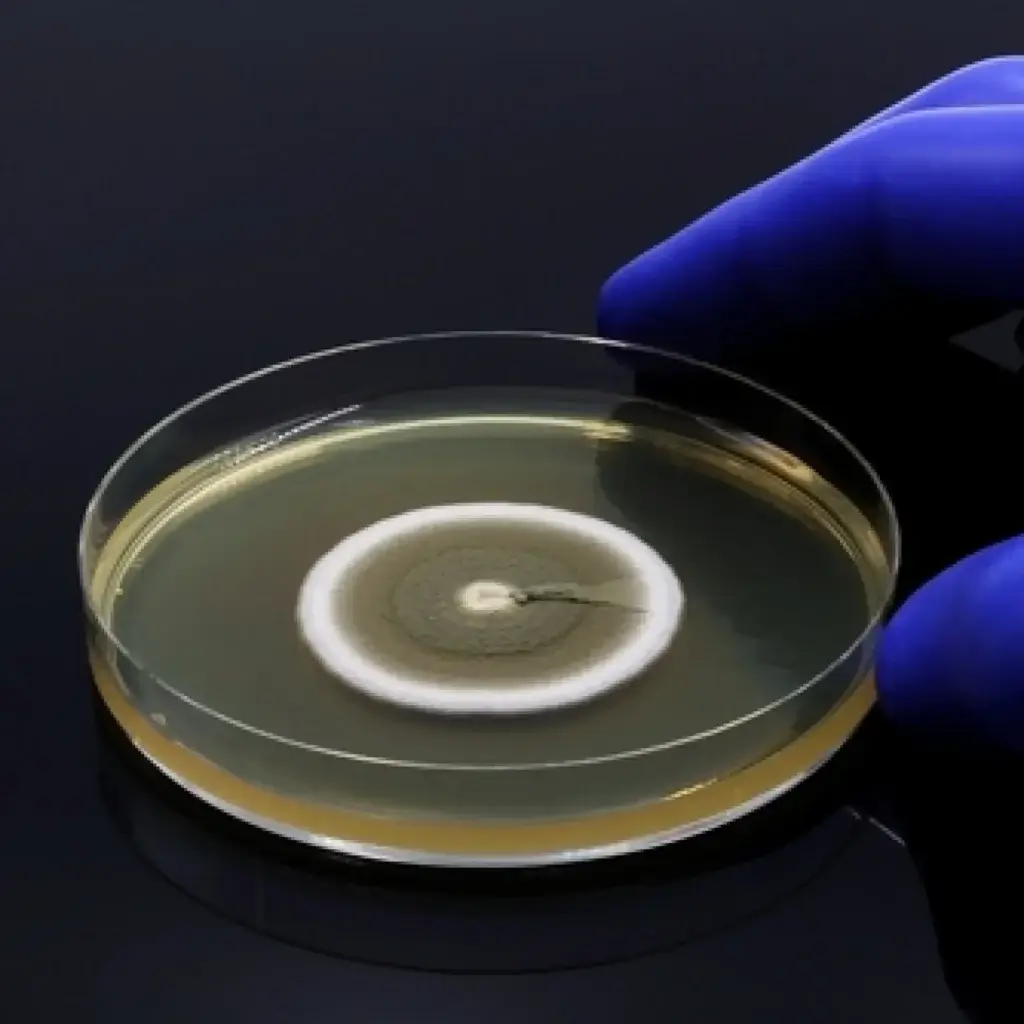
Antibacterial testing is a crucial requirement for industries betrothed in the development of antibacterial products. Basically, microbiological assessment is helpful to validate products for their antimicrobial efficacy, shelf life, and presence of potential contamination factors.

Antimicrobial testing is also implied to monitor the microbiological quality of non – sterile products.

With an extensive experience in executing microbiological testing, MIS offers an array of services towards varied industries globally such as textiles, disinfectants, coatings, and cosmetics. Our antibacterial testing services are tailored to our client’s individual needs.

We execute and perform antibacterial testing services for following industries –

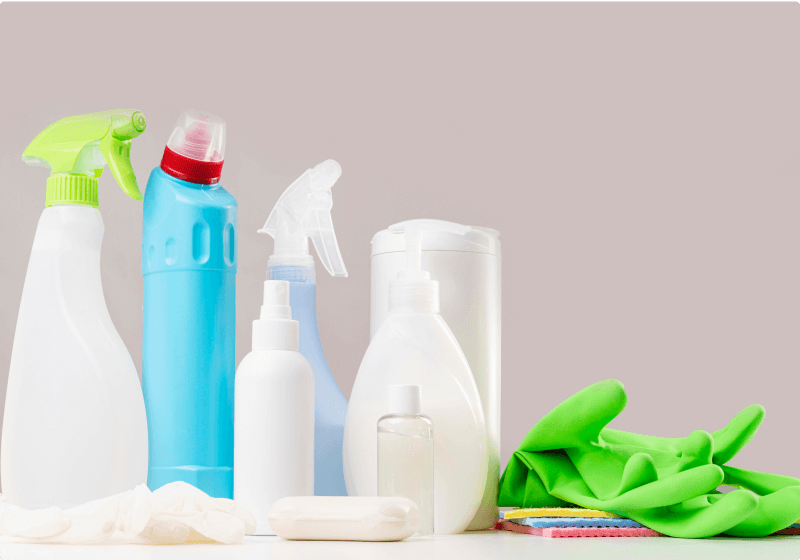
Antibacterial Efficacy Test Methods for Disinfectants

EN standards:

Test for evaluating bactericidal activity of chemical disinfectants & antiseptics use in food, industrial, domestic, & institutional areas

Quantitative (phase 1 suspension) test to evaluate the basic bactericidal activity of chemical disinfectants and antiseptics

Quantitative (phase 1 suspension) test for basic sporicidal activity of chemical disinfectants and antiseptics
Quantitative (phase 2 step 1 suspension) test for mycobactericidal or tuberculocidal efficacy testing of chemical disinfectants and antiseptics intended for medical area
Quantitative (phase 2 step 1 suspension) test for sporicidal efficacy testing of chemical disinfectants and antiseptics intended for medical area
Quantitative (phase 2 step 1 suspension) test for bactericidal efficacy testing of chemical disinfectants and antiseptics intended for veterinary area
Quantitative (phase 2 step 1 suspension) test for mycobactericidal efficacy testing of chemical disinfectants and antiseptics intended for veterinary area
Quantitative (phase 2 step 1 suspension) test for bactericidal activity of disinfectants against Legionella pneumophila in aqueous systems
Quantitative (phase 2 step 1 suspension) test for sporicidal efficacy testing of chemical disinfectants used in food, industrial, domestic and institutional areas
Quantitative (phase 2 step 2 suspension) test for bactericidal efficacy testing of hygienic hand wash products used in the medical area
Quantitative (phase 2 step 2 suspension) test for bactericidal efficacy testing of hand rub products used in the medical area
Quantitative (phase 2 step 2 suspension) test for bactericidal efficacy testing of chemical disinfectants and antiseptics intended for surgical hand disinfection
Quantitative (phase 2 step 2 suspension) test for bactericidal efficacy testing of chemical disinfectants and antiseptics intended for instrument disinfection in medical areas
Quantitative (phase 2 step 2 suspension) test for mycobactericidal or tuberculocidal efficacy testing of chemical disinfectants intended for instrument disinfection in the medical area
Quantitative (phase 2 step 2 suspension) test for assessing bactericidal and yeasticidal activity of disinfectant wipes used in medical areas
Quantitative (phase 2 step 2 suspension) test for chemical-thermal textile disinfection used in media areas
Quantitative (phase 2 step 2 suspension) test for microbicidal activity of automated airborne room disinfection processes
Quantitative (phase 2 step 2 suspension) test for the evaluation of bactericidal and yeasticidal and/or fungicidal activity of chemical disinfectants used in medical areas
Quantitative (phase 2 step 2 suspension) test for Evaluation of the bactericidal activity of chemical disinfectants and antiseptics used in the veterinary area
Quantitative (phase 2 step 2 suspension) test for evaluation of bactericidal activity of chemical disinfectants and antiseptics used in the veterinary area
Test for the evaluation of bactericidal and/or fungicidal activity of chemical disinfectants used in food, industrial, domestic & institutional areas
Quantitative (phase 2 step 1 suspension) test for bactericidal activity of chemical disinfectants intended for medical area

ASTM standards:

Determination of disinfectant efficacy against Pseudomonas aeruginosa biofilm using the MBEC Assay
Determination of disinfectant efficacy against biofilm grown in the CDC biofilm reactor using the single-tube method
Determination of microbicidal efficacy of laundry sanitizers and disinfectants
Evaluation of bactericidal efficacy of laundry sanitizers and disinfectants for use in high-efficiency washing operations
Evaluation of antimicrobial efficacy of pre-saturated or impregnated towelettes for hard surface disinfection
Test method for evaluation of inactivators of antimicrobial agents

Evaluating the efficacy of sanitizers intended for inanimate, hard, non-porous, non-food contact surfaces

Test method for healthcare personnel handwash formulations
Test method for bactericidal activity of hygienic handwash and hand rub agents

AOAC standards:

AOAC Use Dilution Method for disinfectants against Staphylococcus aureus
AOAC Use Dilution Method for disinfectants against Pseudomonas aeruginosa
Chlorine equivalency method for sanitizers and disinfectant products
Determination of germicidal and detergent sanitizing action of disinfectants
Evaluation of the tuberculocidal activity of disinfectants
Test method for swimming pool water disinfectants
Test method for evaluating sporicidal activity of disinfectants
Evaluating the bactericidal activity of disinfectants against Salmonella choleraesuis

EPA standards:

Evaluating the efficacy of antimicrobial surface coatings
Determining residual sanitizing efficacy of dried chemical residues on hard non-porous surface
Determining antimicrobial activity of hard, non-porous copper-containing surface products

PAS standard:

Evaluating residual (bactericidal and/or yeasticidal) efficacy of liquid chemical disinfectants

EN 16615 test or 4 field test is the standard protocol that specifies the test procedure for determining the bactericidal and yeasticidal activity of disinfectant wipes intended to be used in hospitals.
The EN 1276 is a quantitative suspension test for the evaluation of the bactericidal activity of chemical disinfectants and antiseptics. This is particularly useful across food, industrial, domestic, and institutional sectors.
EN 13697 is a quantitative non-porous surface test that specifies the bactericidal and/or fungicidal activity of chemical disinfectants. This test is only for chemical disinfectants used in food, industrial, domestic, and institutional areas.
EN 13727 is a quantitative suspension test that determines the bactericidal activity of chemical disinfectants used in the medical area. The common areas where disinfection is medically indicated include patient care settings, nursing homes, dental facilities, clinics of schools, etc.
EN 14349 test determines the efficacy of chemical disinfectants and antiseptics developed using bactericidal agents. This test is applicable to products to be used in the area of veterinary situations on non-porous surfaces without mechanical action.
EN 14561 test method is used to determine bactericidal activity of chemical disinfectants and antiseptics intended for instrument disinfection in medical areas. This test is applicable to products used in areas and/or situations such as hospitals, dental clinics, workspaces, houses, and clinics of schools.
EN 1040 (phase 1, suspension test) is used to determine the basic bactericidal activity of chemical disinfectants and antiseptics. This test is performed to confirm biocidal efficacy of products without stimulating practical conditions for their intended use.
PAS 2424 test is a quantitative non-porous surface test that evaluates the residual bactericidal and/or yeasticidal activity of chemical disinfectant products.
Use Dilution test is used to measure the efficacy of liquid based disinfectants against Salmonella enterica, Staphylococcus aureus, Trichophyton mentagrophytes, and Pseudomonas aeruginosa particular.
AOAC 961.02 standard is designed to assess germicidal efficacy of spray disinfectants intended to be used on inanimate, non-porous surfaces.
ASTM E1153 is a quantitative antimicrobial efficacy test method designed to check the efficacy of sanitizer formulations.
EN 14563 is a quantitative carrier test designed to assess mycobactericidal or tuberculocidal activity of chemical disinfectants intended for instruments in medical areas.
EN 13704 specifies a test method to assess the sporicidal activity of chemical disinfectants used in food, industrial, domestic and institutional areas. EN 13704 test is excluding situations/areas where disinfection is medically indicated or disinfectant products are used on living tissues except for hand hygiene formulations.
EN 1499 specifies a test method that stimulates practical conditions to determine the efficacy of hygienic hand wash products in reducing transient microbial flora of the hands.
EN 1500 test stimulates practical conditions to check if hygienic handrubs are effective in eliminating transient microflora when used on artificially contaminated hands of volunteers.
EN 14348 specifies a test method that determines mycobactericidal (or tuberculocidal) activity of chemical disinfectant products intended for use in the medical area.
ASTM E1174 is used to determine the effectiveness of health care handwash agents/formulations against microorganisms that transiently colonise the skin.

At MIS, antibacterial testing services are rendered by a team of experienced microbiology professionals and experts who work closely with clients to cater their requirements. The provided services are executed using cutting-edge technologies. 

Our antibacterial testing laboratory  generates scientific data that support product efficacy claims as per standard guidelines and address quality challenges related to right  product development.

We are committed to provide 100% accurate results that can help our client to produce high quality products.

To learn more or book antibacterial testing for your products, contact our experts now.

Ready to test your product?

Microbe Investigations Switzerland